When the Chants Hit Different: Brody King and the AEW Divide
It's March 30, 2026, and if you're not still buzzing from AEW Dynasty just wrapping up tonight, you might have been living under a rock – or maybe you're just exhausted from the discourse. Because let's be real, in the world of All Elite Wrestling, the in-ring action is only half the story. The other half? It's the swirling vortex of fan opinions, hot takes, and outright digital warfare that follows every single microphone drop and controversial moment. And for the past few months, few topics have ignited the wrestling faithful quite like Brody King and those persistent anti-ICE chants.
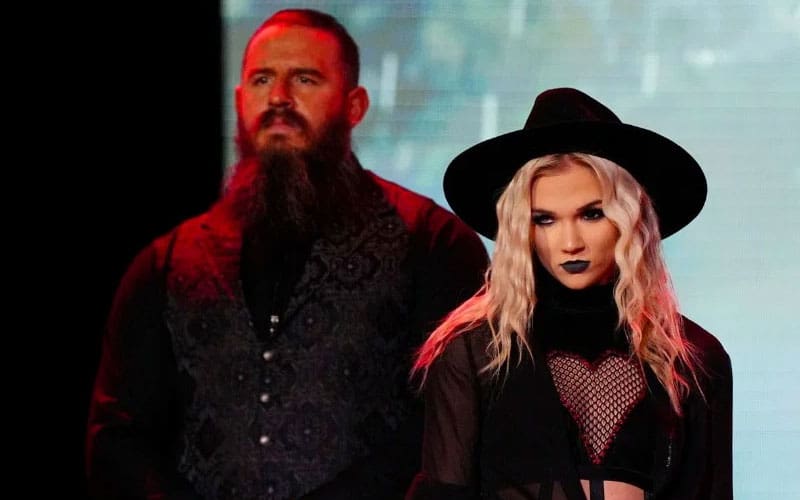
The big man, a powerhouse whose ringside presence alone could curdle milk, found himself at the center of a social storm. Across multiple AEW matches earlier this year, audiences weren't just chanting for him or against him; they were chanting *against* US Immigration and Customs Enforcement, seemingly in solidarity with King's publicly expressed views. Now, King has finally broken his silence on the matter, and his clarification has only poured more gasoline on an already raging fire. He's making it clear: this isn't about politics, not to him. This is about 'what is right and what is wrong.'
'Right and Wrong' vs. 'Just Wrestle': The Fan Fault Lines
So, what exactly does 'what is right and what is wrong' mean when it comes to the squared circle? For a significant portion of the AEW fanbase, King's statement is a rallying cry, a breath of fresh air in a landscape often accused of being too sanitized. These are the fans who see pro wrestling not just as acrobatics and athleticism, but as a platform, a reflection of societal struggles, and a place where performers can use their voice. They've been quick to jump to King's defense, arguing that taking a stance on human rights isn't 'political' in the partisan sense, but fundamentally moral.
“Finally, someone in wrestling stands for something! King isn't pushing politics; he's just saying treat people like humans. If you don't like it, maybe you're the problem, not him. This is what 'protest' in pro wrestling looks like, and honestly, it’s about damn time.”
This sentiment rings loud across forums and social media. These supporters often point to wrestling's long, if sometimes uncomfortable, history of engaging with social issues, from Dusty Rhodes as the 'common man' to countless patriotic angles throughout the Cold War and beyond. For them, King is simply continuing a tradition, albeit with a more contemporary and less kayfabe-driven issue. They argue that anyone demanding wrestling stay 'apolitical' is either willfully ignorant of its past or just doesn't want to hear opinions that challenge their own comfort zones.
The Escapism Crew: When Real World Chants Invade the Arena
But then there's the other side of the coin, a vocal contingent of fans who are, frankly, fed up. For them, the arena is a sanctuary, a place to escape the relentless grind of daily life and the ever-present political squabbles that dominate every news cycle. They come for the suplexes, the high-flying maneuvers, and the drama of a championship chase, not to be reminded of contentious real-world issues. The anti-ICE chants, no matter their origin or intent, are seen as a disruption, an unwelcome intrusion into their designated escapist bubble.
“Look, I get it, social issues are important, but can we just enjoy the matches? I pay good money to watch wrestling, not to hear political slogans chanted. It takes me out of the moment. Keep the real world out of my escapism, please. My wrestling night out is supposed to be *my* night out.”
These fans aren't necessarily against King's personal beliefs, but they are vehemently against those beliefs being overtly expressed or supported by chants during a wrestling show. They argue that AEW, as an entertainment product, has a responsibility to provide that escape. When segments are overshadowed by external political messaging, it dilutes the product and alienates a portion of the audience who simply want to cheer for good guys and boo bad guys without feeling lectured or uncomfortable.
The Critical Corner: Is This the Right Platform?
Then you have the critics, the contrarians, and those who question the efficacy and appropriateness of the whole situation. Some argue that while King may view it as a moral stand, the chants themselves are inherently political and divisive, regardless of his intentions. They point out that professional wrestling, by its very nature, thrives on broad appeal, and alienating segments of the audience with overtly political messaging is a risky gambit, especially for a company like AEW still fighting for market share.
“Brody King acts like he's some moral authority, but he's just grandstanding. This isn't the forum for it. AEW needs to control their crowds better if they don't want their shows turning into protest rallies. It's bad for business and distracting, and frankly, it makes the company look unorganized.”
There's a legitimate concern here about what constitutes 'appropriate' fan expression within a live event. While fan chants are a vibrant part of the wrestling experience, there's a fine line between organic crowd reaction and organized political messaging. Some argue that AEW's perceived leniency in allowing these chants to proliferate could set a problematic precedent, opening the door for *any* controversial real-world issue to hijack the focus from the wrestling itself. This isn't just about King; it’s about the slippery slope for company control and audience experience.
My Take: Wrestling's Uncomfortable Truths
Here’s the thing, wrestling fans: if you think wrestling can ever truly be ‘apolitical,’ you’ve been living in a work. From Gorgeous George to Hulk Hogan, from Sgt. Slaughter’s Iraqi sympathizer gimmick to Muhammad Hassan, wrestling has always held up a distorted funhouse mirror to society and its politics. Brody King, by articulating his stance as a matter of 'right and wrong,' is attempting to elevate the conversation beyond partisan squabbles. He’s saying, essentially, that some issues transcend the usual red vs. blue debate; they are about basic human dignity. And honestly, that’s a pretty compelling argument.
However, the uncomfortable truth for AEW, and indeed for any wrestling promotion, is that a live audience is a chaotic beast. Once a chant takes hold, it’s almost impossible to stop, regardless of intent. While King's moral clarity is admirable, the execution of that message by a crowd can quickly become muddled. The constant battle between wanting to give performers a voice and maintaining a digestible, broadly appealing entertainment product is a tightrope walk. AEW, a company that prides itself on listening to its fans, finds itself in a particularly tough spot here. They want organic reactions, but not at the expense of alienating paying customers or creating PR headaches.
Ultimately, the discussion around Brody King and the anti-ICE chants highlights a fundamental tension within modern entertainment. As performers become more open about their beliefs, and as social issues increasingly permeate every aspect of our lives, the idea of a truly 'escapist' product becomes harder and harder to maintain. While some fans long for simpler times, the reality is that wrestling, much like society itself, is constantly evolving. Whether you cheer for King's stance or groan at the chants, one thing is clear: the conversation isn't going anywhere. It’s a messy, passionate reflection of the world outside the ropes, and Brody King just happened to be the guy who threw the first punch in this particular debate.