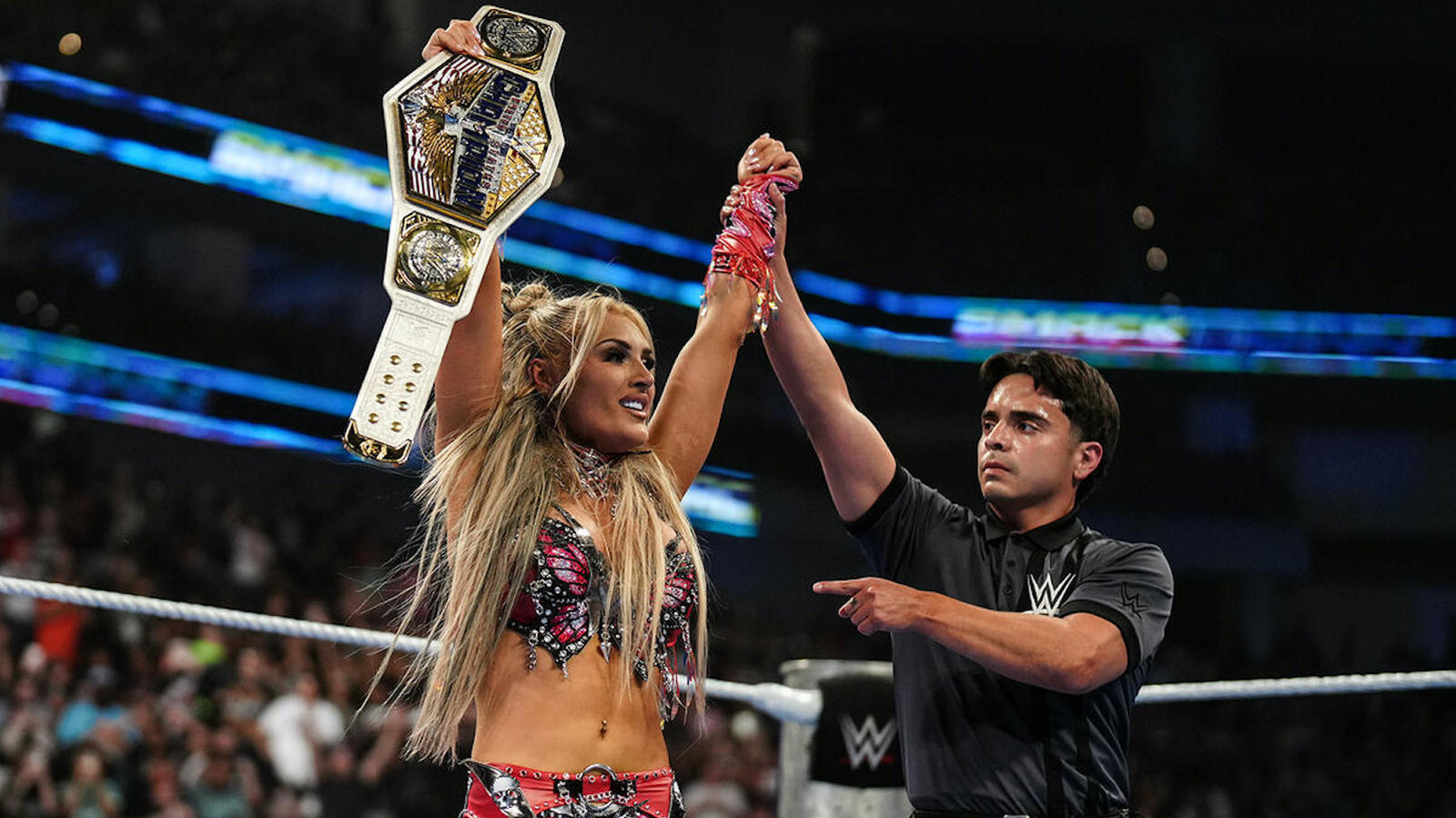
Damian Priest and the messy reality of fan interaction
The double-edged sword of wrestler-fan access
Damian Priest recently touched on the dynamic between himself and the wrestling fan base. It is a topic that rings loud in the halls of any major promotion. Wrestlers pride themselves on being accessible, but the barrier between 'passionate' and 'unhinged' is thinner than a referee's shirt in a hardcore match.
We all love the guy. He earned his stripes the hard way, grinding through the indies before landing that World Heavyweight title run. Watching him climb the ladder at Money in the Bank 2023 was a genuine moment for anyone who appreciates the craft. But when people start tracking flights, showing up at hotels, or crossing the line of personal space, the word passion gets redefined.
When passion turns into a nuisance
Let’s call a spade a spade. There is nothing inherently heroic about being a superfan who makes a performer uncomfortable. Whether it is lingering too long at a gate or filming someone eating lunch, it reeks of entitlement. Priest has a platform, sure, but he is a human with a job to do. When he walks through an airport, he is not on the clock. He is just a guy trying to get from point A to point B without someone shoving a phone in his face at 5:00 AM.
History is littered with stars who retreated from public view once the fans crossed that line. Look at what happened with the industry's approach to travel safety over the last decade. It became necessary to have security details because people stopped treating wrestlers like athletes and started treating them like zoo exhibits. As far back as the mid-2000s, legends were complaining about fans waiting by their rental cars. If Shelly Martinez can pull back the curtain on how brutal the financial reality of wrestling is, the least fans can do is offer these people some breathing room in their private lives.
The booking side of the fan relationship
There is also a creative angle here that fans often ignore. When a crowd is too loud, too entitled, or constantly trying to get themselves over, it kills the heat of the match. Remember the post-WrestleMania crowds that hijack shows with chanting for non-wrestlers? That is the cousin of the fan who thinks buying a front-row seat grants them co-booking power.
Priest has thrived by playing the arrogant heel and the resilient babyface, but he is at the mercy of how much the crowd decides to engage with his work rather than his character. When the internet decides a guy needs to be turned or pushed, it creates this weird, artificial friction. The crowd starts focusing on their own fantasy booking during a headlock exchange, and suddenly, the actual drama in the ring takes a backseat.
We saw this on July 17, 2026, when SmackDown finally pivoted back to a heavy wrestling focus, as recent reports suggest. When the in-ring output is high, the fans focus on the bumps, the near falls, and the storytelling. When the product is stale, they get bored. A bored fan is a dangerous, loud, opinionated fan who will find something—or someone—else to bother to keep themselves entertained.
The verdict on the modern fan experience
Priest is being diplomatic. That is his job as a top-tier brand ambassador for a billion-dollar company. He cannot exactly look into a camera and tell the vocal minority to get a life. He has to balance the 'passionate' label because, frankly, those people buy the shirts and the PLE tickets. Without them, the revenue streams that keep the lights on and the pyrotechnics firing in Stamford dry up fast.
However, we need to be honest about where the line is drawn. If a fan makes the performer want to skip the next autograph signing, that fan has failed the mission. Wrestling is a unique sport precisely because of the proximity between the ring and the cheap seats. You can hear the mat vibrate when a suplex lands. You can see the sweat. That is what makes it better than the soulless, CGI-heavy stuff on television.
But with that proximity comes an obligation to act with a shred of decency. You can be the biggest mark in the arena without acting like a stalker in the lobby. Priest deserves to go home to his family without worrying about some guy with a camera who thinks he is owed a twenty-minute conversation about 2018 booking decisions. Enjoy the match, pop for the finish, and go home. Everything else is just noise that makes the industry worse for everyone involved.
Ultimately, Priest is navigating a culture that rewards the most invasive behavior. The internet has gamified being a nuisance. If you can record a video of a star in a private moment and post it for karma or likes, you are rewarded. That cycle is what Priest is dealing with, and it is a tax on the performer that we rarely discuss. It is time to treat the locker room like adults rather than content generators.
McDavid Knee Support with Stays, Knee Brace for Support and Stability
Get the extra support you need for your own training sessions.
Frequently Asked Questions
How do fans cross the line with Damian Priest?
Why is wrestler-fan interaction often considered a double-edged sword?
What is the impact of entitled fan behavior on professional wrestling matches?
What history exists regarding wrestler safety and public interactions?
When does a fan's behavior shift from passion to nuisance?
More Coverage
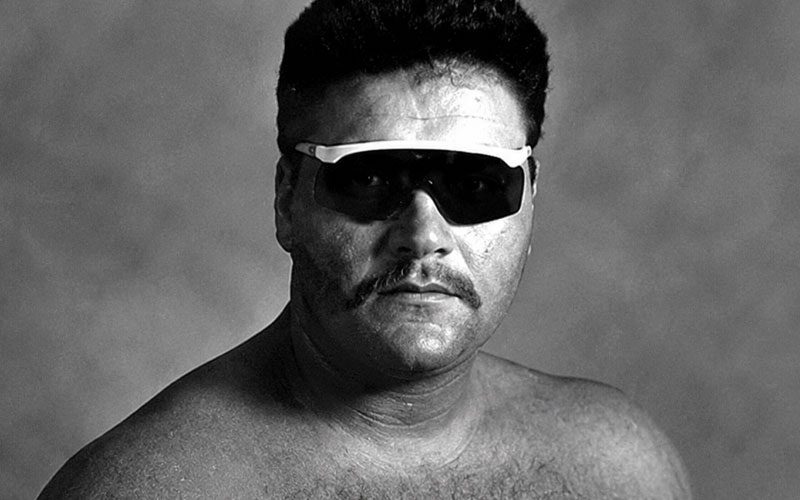
Top 10: Professional Wrestling Figures We Lost In Recent Memory
2 hours ago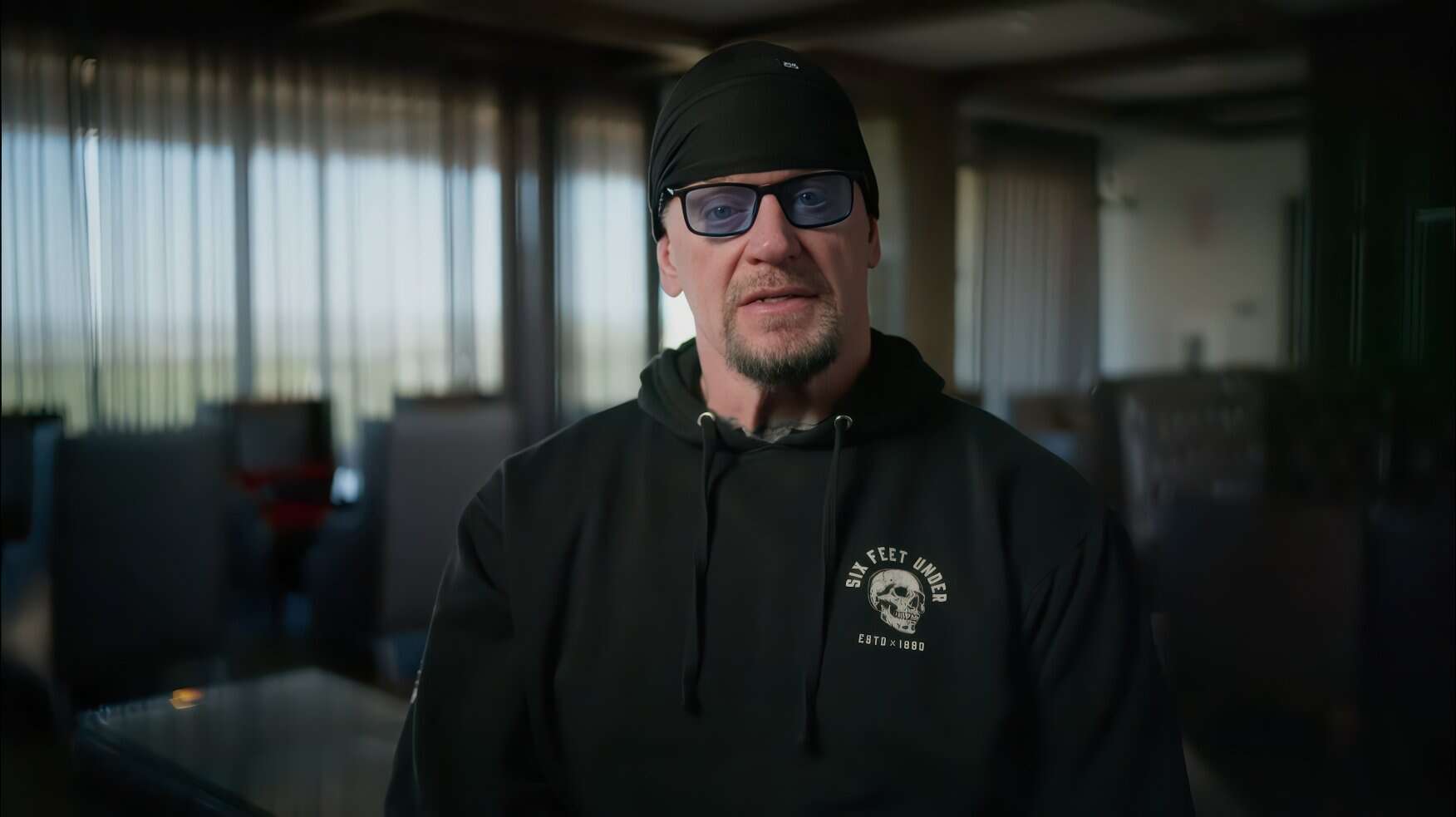
Why the Undertaker's longevity outweighs his statistical peak
6 hours ago
Top 10: Defining Moments in Professional Wrestling History
6 hours ago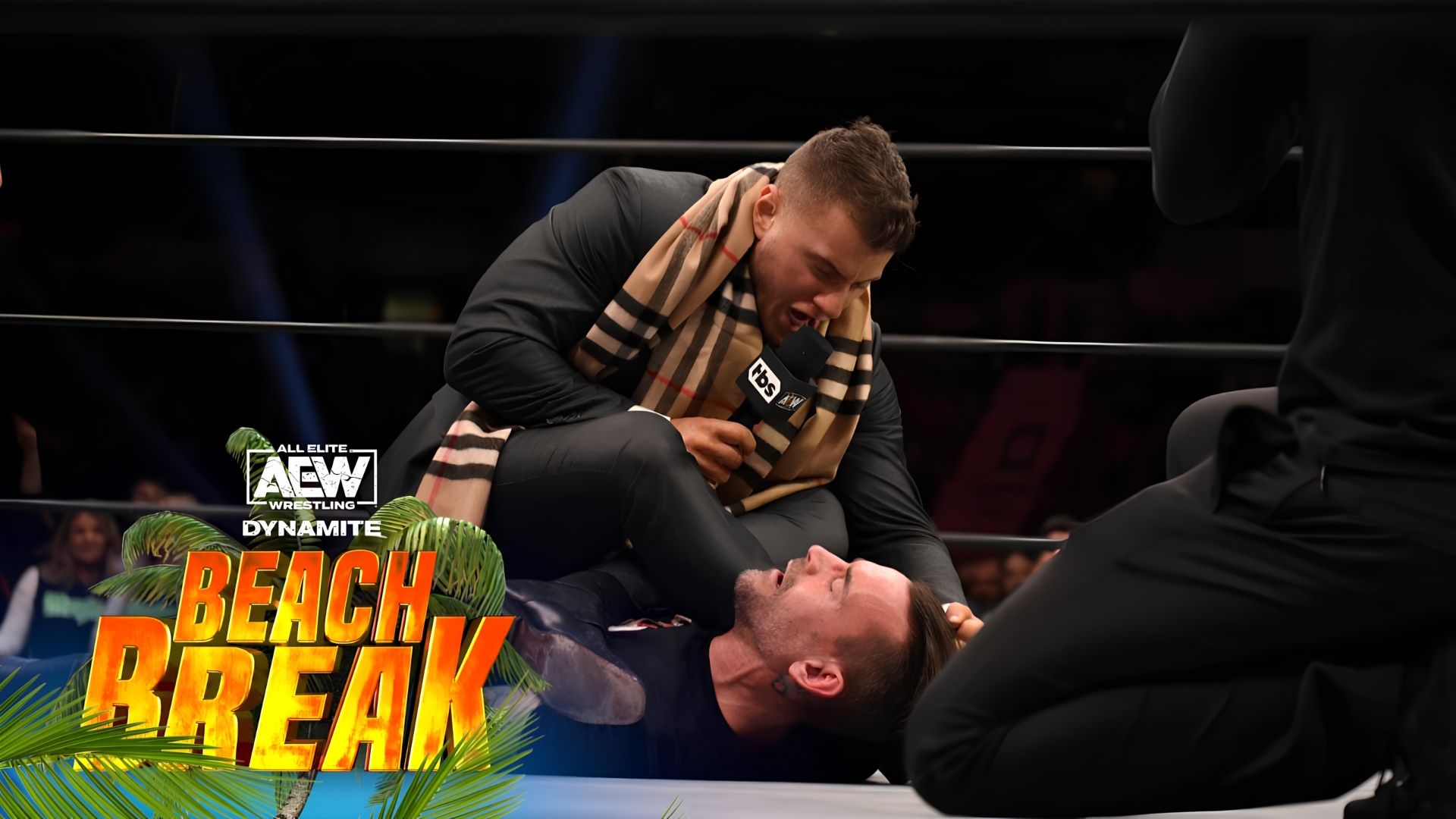
Top 10: AEW Defining Moments of the Modern Era
8 hours ago
Top 10: Defining Moments That Shaped Modern Wrestling History
9 hours agoCary Silkin at WWE shows how long the shadows of independent wrestling stretch
10 hours agoMore Analysis
SmackDown finally stopped talking and started throwing hands
2 hours ago
Top 10: Professional Wrestling Figures We Lost In Recent Memory
2 hours ago
AEW Collision in Boston hits the reset button on championship focus
2 hours ago