A promotional lockdown with real-world consequences
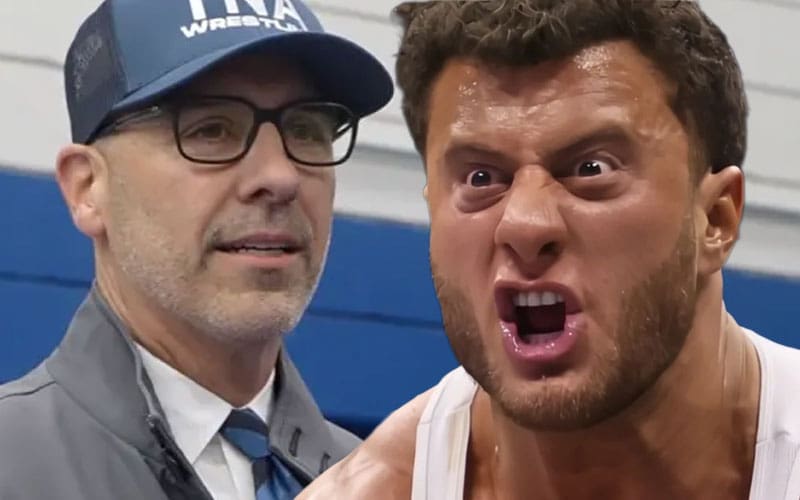
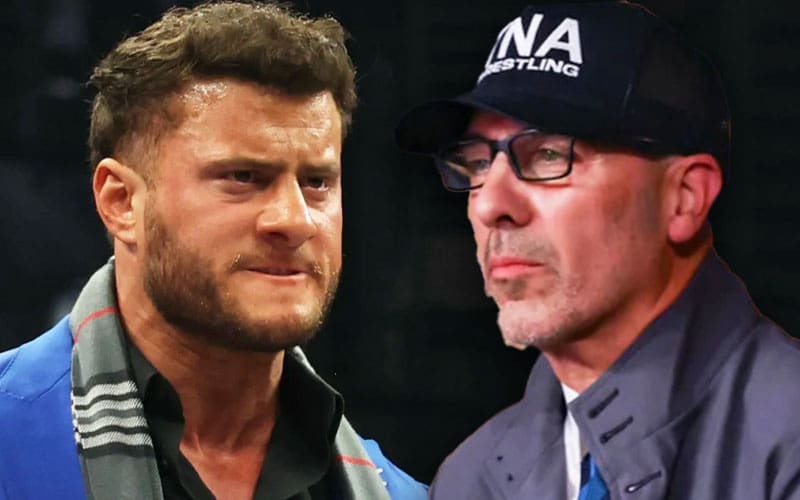
The professional wrestling world is currently reeling from a series of internal policy shifts within TNA Wrestling that have effectively sidelined one of the most anticipated independent matches of the spring. TNA President Carlos Silva issued a last-minute directive to pull Nic Nemeth from his scheduled main event against AEW World Champion MJF at the Create-A-Pro (CAP) wrestling event. This move did not just kill a high-profile match; it ignited a firestorm of criticism from talent across the industry who feel the move is a regressive step toward corporate isolationism.
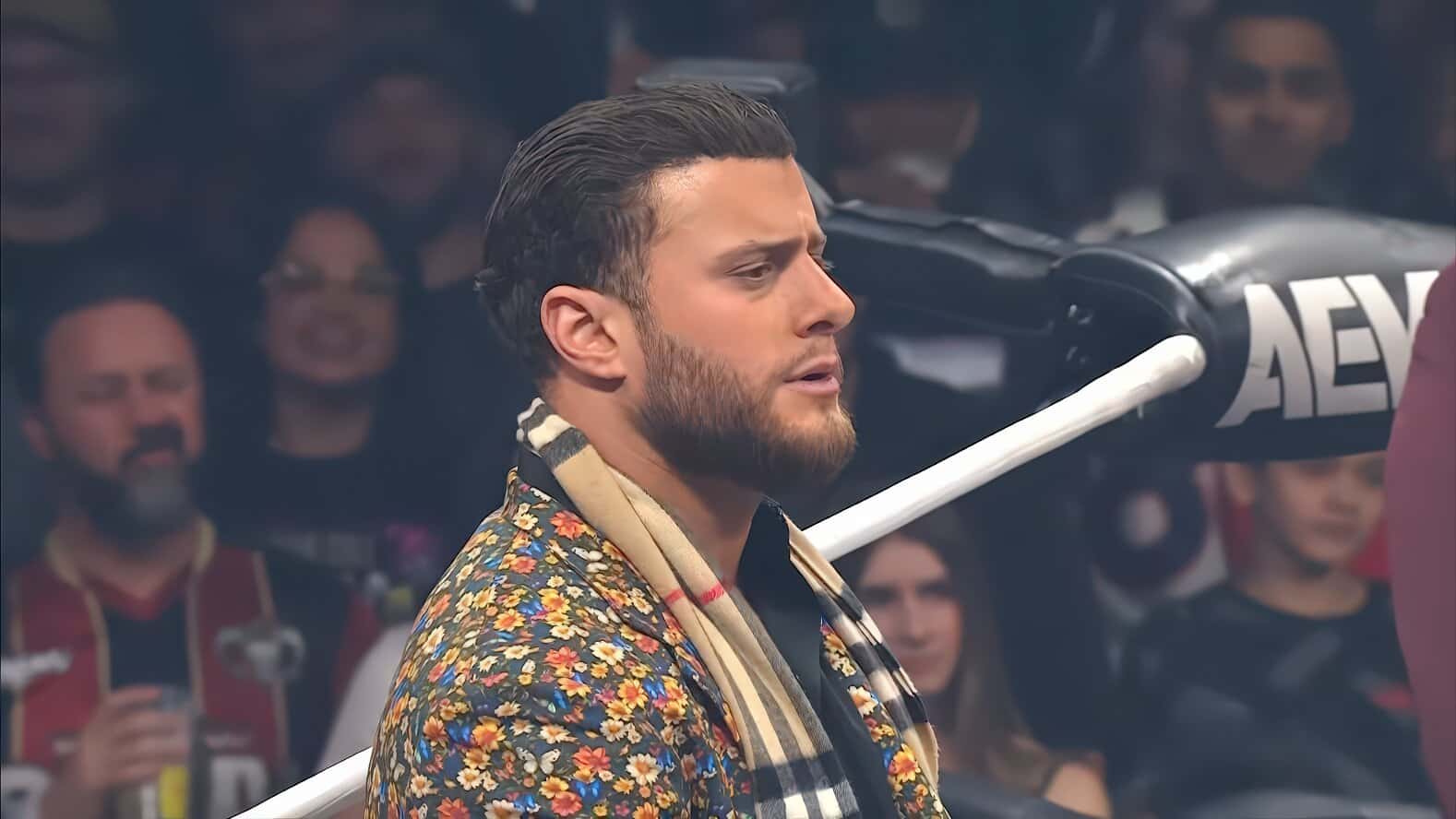
As Ringside News reported, MJF was the first to break the silence, unleashing a vitriolic assessment of Silva’s leadership. The AEW champion did not mince words, labeling the decision to restrict talent from appearing on AEW-linked or independent shows as a betrayal of the wrestlers' ability to earn. The cancellation occurred just three hours before the doors were set to open, leaving promoters scrambling and fans who had traveled specifically for the Nemeth-MJF clash in the lurch.
The physical and career toll on Nic Nemeth
While this situation is being framed as a promotional dispute, the career impact on Nic Nemeth is significant. Nemeth spent almost 20 years within the rigid structure of the WWE system, and his move to the independent circuit and TNA was predicated on the freedom to test himself against the best in the world. Being blocked from a match with MJF—a performer he has publicly stated he was "crushed" not to face—represents a mental and professional setback that mirrors the frustration of a physical injury.
According to WrestleTalk, Nemeth had been mentally preparing for this specific encounter for months. The sudden removal of the match from the schedule leaves a void in his competitive calendar that cannot be easily filled. This is not just about one night in a high school gym or a small arena; it is about the momentum Nemeth has been building since his release. When a veteran of his caliber says he is "absolutely crushed," it indicates a level of professional distress that goes beyond simple scheduling conflicts. He is currently navigating the transition to life outside the WWE bubble, and these promotional walls are making that transition unnecessarily turbulent.
Collateral damage across the independent circuit
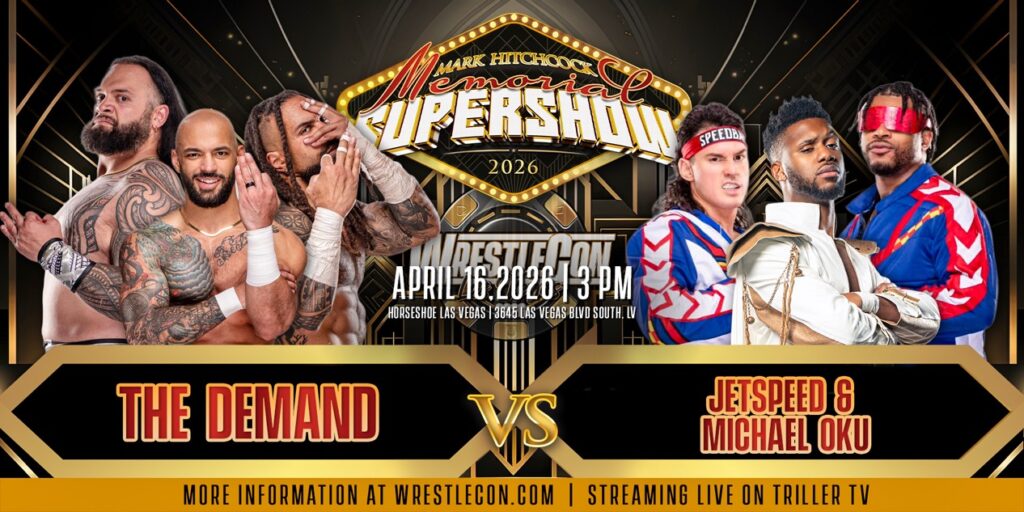
The TNA lockdown extended beyond the CAP main event. Leon Slater was also pulled from a highly anticipated match against Ricochet at WrestleCon, a move that forced the promotion to pivot to a tribute to superfan Mark Hitchcock instead of delivering the advertised athletic showcase. This pattern suggests a systemic shift in how Carlos Silva intends to manage his roster, moving away from the "Forbidden Door" philosophy that has defined the last few years of the industry.
Pat Buck, the owner of Create-A-Pro and a current AEW producer, issued a scathing statement regarding the situation. Buck characterized the move as "ridiculous" and "cringe," noting that the lack of professional courtesy in the timing of the cancellation was particularly egregious. Independent promotions operate on thin margins, and the loss of a headliner like Nemeth can result in a gate loss of $0 in profit for shows that were already on the edge. Buck’s frustration stems from the fact that these partnerships are usually built on mutual respect, which was clearly absent in Silva’s last-minute call.
The Kyle Fletcher medical update
In the midst of the promotional chaos, we also have a confirmed physical injury to track. AEW’s Kyle Fletcher is currently sidelined with an undisclosed injury, as noted during a recent media call with Tony Khan. While the severity of Fletcher's condition has not been fully detailed, Khan indicated that the young star will be out of action for the immediate future. Fletcher has been a workhorse for the Don Callis Family, and his absence creates a tactical hole in AEW's mid-card programming as they approach the Dynasty pay-per-view.
Fletcher’s style is high-impact and frequently involves risky dives and intense striking sequences. The toll of this workload often results in the kind of nagging soft-tissue injuries that require a hard reset. Losing a talent like Fletcher, who often puts in 14 minutes of high-octane offense per TV appearance, is a blow to the match quality of the weekly shows. Fans should keep an eye on the next 6 days of AEW programming for a more definitive timeline on his return, though internal reports suggest he is being kept off the road to ensure a full recovery.
Strategic implications and a critical look at TNA
TNA’s decision to pull talent is a clear defensive posture, likely aimed at asserting dominance over their contracted performers. However, this strategy is fraught with risk. In an era where talent value is driven by visibility and the ability to work multiple styles, TNA risks becoming an island once again. Carlos Silva may think he is protecting his brand, but he is actually diminishing the value of his champions by preventing them from proving their worth against top-tier outsiders.
The critical failure here is the timing. There is no world where canceling a match on the day of the show is a sound business move. It alienates the fans, infuriates the promoters who pay the talent's travel costs, and embitters the locker room. If TNA wants to be taken seriously as a major player, they cannot behave like a paranoid regional promotion from the 1980s. Blocking a match between MJF and Nemeth doesn't make TNA look strong; it makes them look afraid of the comparison.
MJF’s reaction was expectedly loud, but the underlying truth is that TNA’s current leadership is prioritizing control over growth. This is the kind of short-term thinking that has historically hampered the promotion’s ability to sustain a mainstream audience.
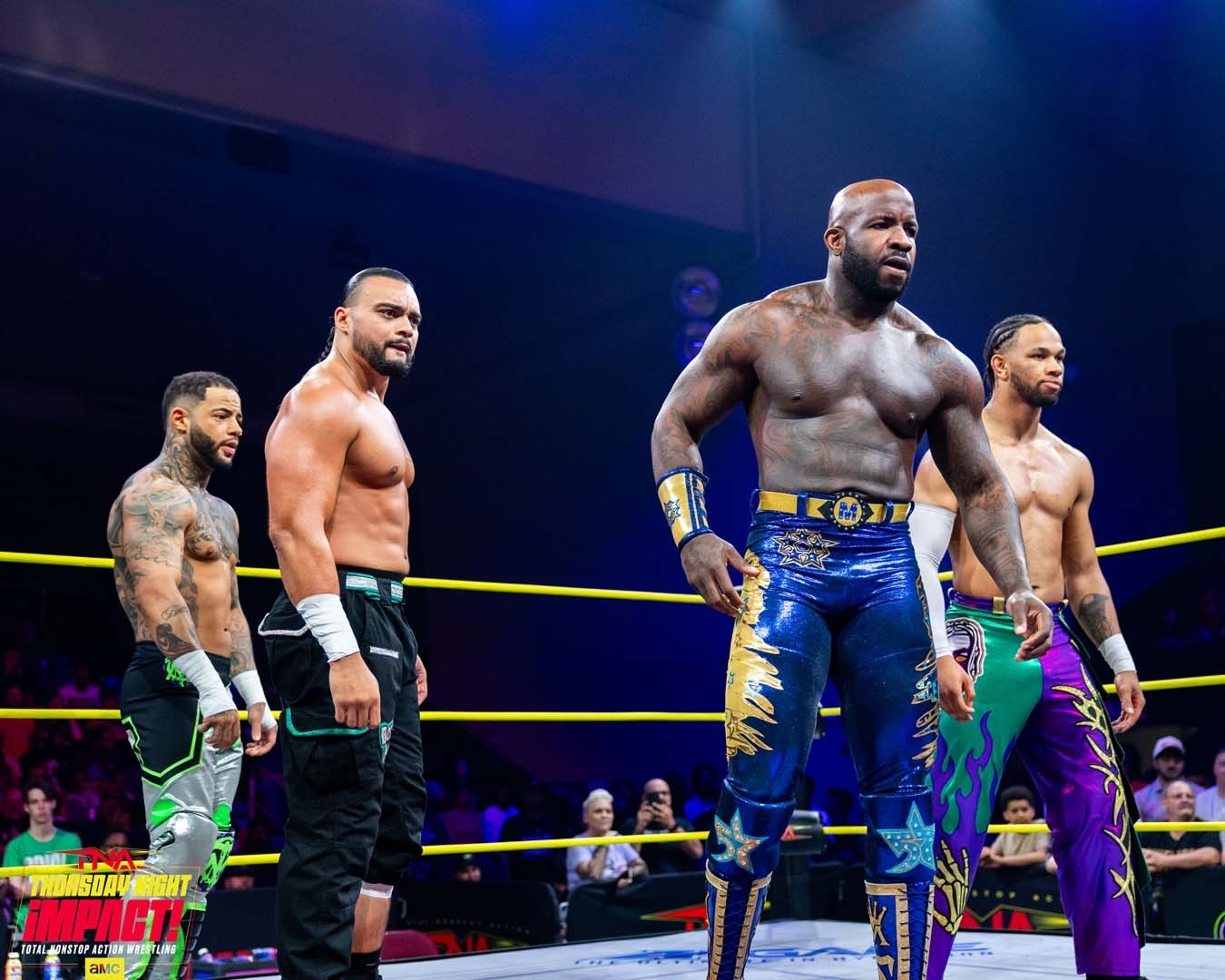
As we look toward the summer, the relationship between TNA, AEW, and the independent scene appears to be at a breaking point. While the Hardys and The Righteous were busy destroying tables on the April 9 episode of Impact, the real damage was being done in the front office. If Silva continues this path of talent restriction, he may find that the top-tier stars he worked so hard to recruit will be looking for the exit the moment their contracts allow. A locker room full of "crushed" veterans and frustrated prospects is not a foundation for success; it is a recipe for a slow, corporate-mandated decline.
Read Next
- TNA is sabotaging the biggest wrestling week of the year for no reason
- MJF is working us all but the TNA heat feels real
- MJF just burned the TNA bridge and Carlos Silva is holding the matches
- TNA's WrestleMania Weekend Snub: Protecting Talent or Total Tumble?
- ⚡ AEW Dynasty 2026 — Full Coverage Hub
- 🎲 AEW Double or Nothing 2026 — Full Coverage Hub