The physical toll of the industry
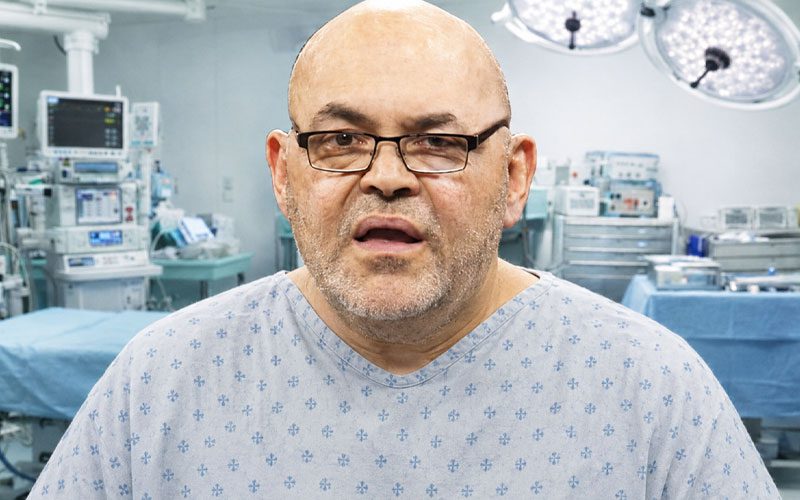
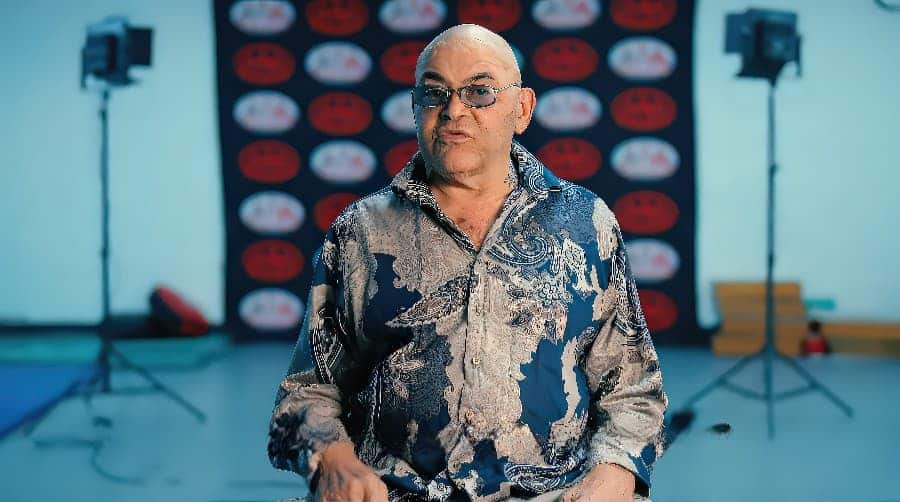
The wrestling business is currently grappling with severe medical realities that highlight the long-term consequences of a high-impact career. The most jarring update comes from Vince Russo reporting that industry legend Konnan has undergone a double leg amputation. While the specifics of the recovery remain private, this news serves as a grim marker of the physical price paid by athletes who defined multiple generations of television.
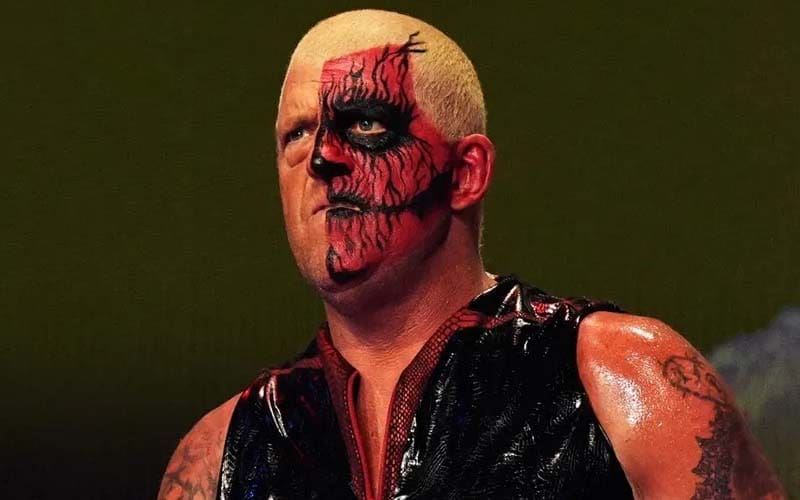
Simultaneously, active performers are navigating complex rehabilitation paths that threaten their longevity in the ring. Dustin Rhodes is currently working his way back to competition after a double knee replacement surgery. His progress suggests a potential return, but the process is slow, moving from initial procedure to physical therapy with no fixed end date for an active match schedule as noted by recent comments on his recovery status.
The internal cost of surgical intervention
For younger talent, the struggle is often about integration rather than total reconstruction. An AEW star recently shared the jarring experience of feeling the hardware within their body, noting they can literally feel where a surgical plate starts and ends. This disconnect between surgical success and physical comfort creates a massive hurdle for performers trying to maintain the mobility required for high-flying offense.
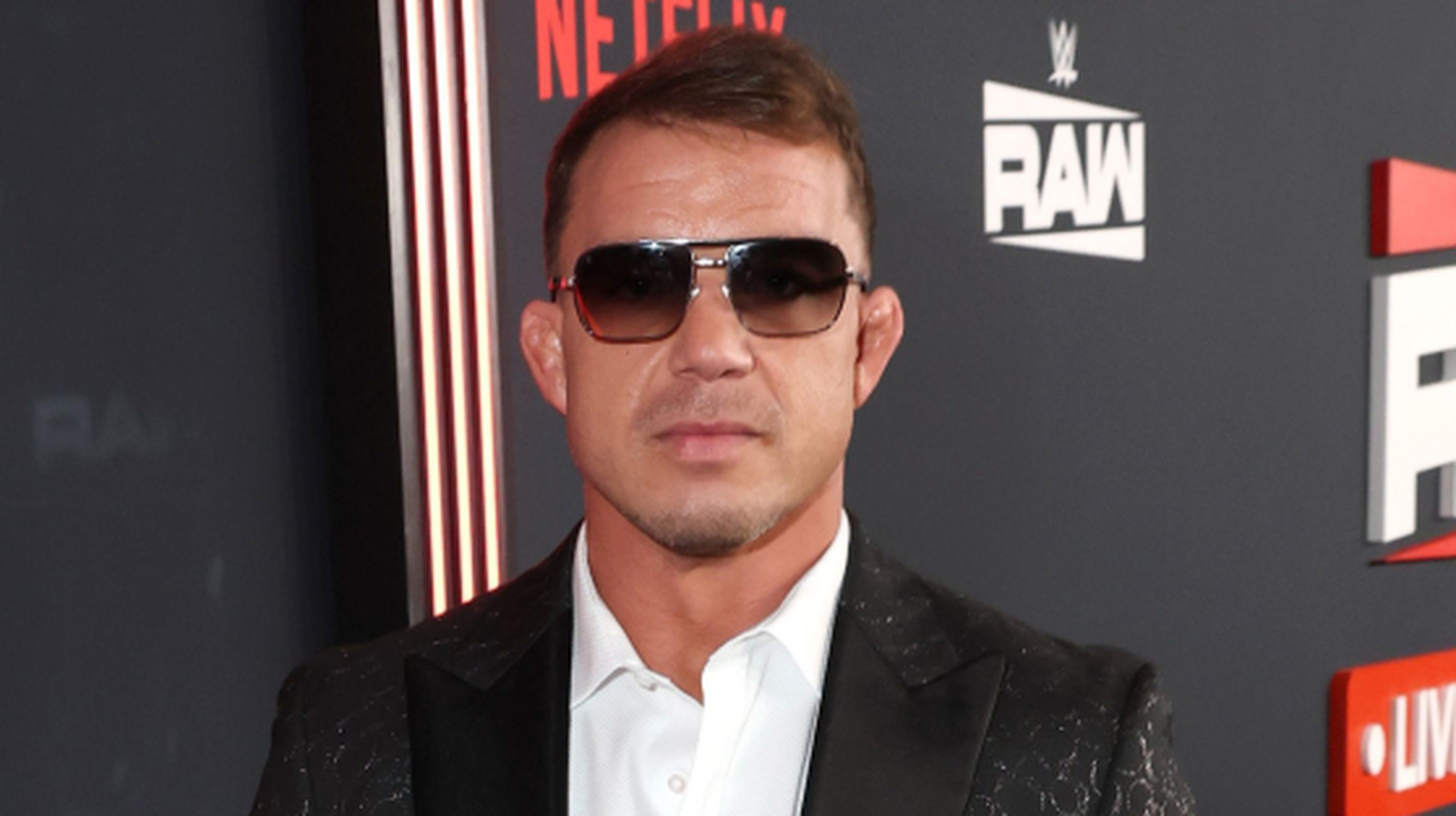
Brian Cage provided a window into the logistics of these returns, detailing a chaotic comeback after a year of inactivity. His timeline involved three separate surgeries, illustrating the compounding nature of professional wrestling injuries where one failure often cascades into secondary procedures. These stories confirm that for many locker room veterans, the road to the ring is not a straight line but a series of managed risks.
Strategic implications for rosters
Promotions are increasingly forced to manage depth charts based on medical clearance rather than creative preference. With Jack Cartwheel currently sidelined and navigating his own return-to-play protocol, booking panels face constant friction. It is a recurring issue, as evidenced by the frequency of long-term layoffs involving multiple surgical interventions for roster staples.
This creates a difficult environment for building long-term programs. When top-tier talent or reliable mid-card workers are unavailable due to elective but necessary orthopedic overhauls, the booking team is constantly forced to pivot. It exposes a lack of adequate injury management depth in modern rosters, where the loss of one key athlete often necessitates an immediate and often suboptimal shift in planned storylines.
The institutional response
The industry is showing a shift in how it handles legacy medical care. WWE's decision to cover Konnan's medical costs is a significant move in corporate responsibility, setting a precedent that is quickly being scrutinized by fans and industry observers alike. It highlights the stark difference between companies with massive financial buffers and independent promotions that struggle to offer comparable support.
Yet, questions remain about how aggressively performers are pushed to return. The pressure to maintain a television presence leads to accelerated recovery timelines that arguably cause more damage in the long run. As veterans continue to deal with the aftermath of decades of trauma, the focus remains on whether future generations will have better access to the long-term support infrastructure necessary to survive their own careers.
For talent like Raj Dhesi, who remains content with his current standing despite potential interest in a third WWE run, the calculus is simple. The question of returning is no longer just about financial incentive or career ambition; it is about weighing the future physical cost against the temporary rewards of another high-profile run. The calculation has shifted permanently toward preservation of health.