The defining peaks of modern squared circle art
Pro wrestling history is a collection of high-velocity collisions and narrative payoffs that define generations. These selections prioritize execution, historic significance, and the sheer audacity of the stunts performed before live crowds.
The Ranking
1. The Shield Triple Threat, Battleground 2016. Roman Reigns, Seth Rollins, and Dean Ambrose finally collided in a chaotic three-way match that functioned as a masterclass in pacing. It remains the gold standard for long-term storytelling payoffs.
2. Daniel Bryan winning the WWE World Heavyweight Championship, WrestleMania 30. The culmination of a year-long chase, Bryan overcoming Randy Orton and Batista felt like a true organic shift in power. It was the night the fans finally forced the company manual to change.
3. AJ Styles makes his surprise entrance, Royal Rumble 2016. The visual of his name appearing on the Titantron in Orlando remains one of the greatest pops in industry history. It signaled a new era of talent fluidity that eventually led to a massive shift in talent recruitment cycles.
4. Sasha Banks vs. Bayley, NXT TakeOver: Brooklyn. This contest legitimized the entire women’s division, moving it from a curiosity to the main draw. Their work rate here was relentless, culminating in that iconic ringside hug that captured the raw emotion of the competition.
5. Mankind thrown off the Hell in a Cell, King of the Ring 1998. It is impossible to ignore the sheer violence of Mick Foley taking that 16-foot drop to the announce table. This singular decision changed the industry, forcing a permanent pivot toward high-risk stunt booking.
6. CM Punk’s 'Pipebomb' Promo, Raw 2011. While the actual match quality varied thereafter, the verbal demolition of the corporate structure set a new bar for meta-commentary. It remains the most effective piece of non-kayfabe-adjacent storytelling in the television era.
7. Kenny Omega vs. Kazuchika Okada, Wrestle Kingdom 11. This 46-minute epic established the modern ceiling for work rate, forcing US-based writers to reckon with a different, faster style of professional wrestling. It was cold-blooded craftsmanship that pushed both men to physical exhaustion.
8. Brock Lesnar ends the Streak, WrestleMania 30. The shock in the Superdome was audible, silencing 75,000 people instantly when the referee counted to three. While many despised the decision, it was an undeniable moment that broke the foundational logic of the sport.
9. Stone Cold Steve Austin joins Vince McMahon, WrestleMania 17. This turn was a disaster for long-term business, as it alienated a massive portion of the core audience who came for the anti-hero. However, the sheer jarring effect of the alliance earns it a spot for sheer audacity and failure.
10. The Hardy Boyz return, WrestleMania 33. The arena reaction when the music hit remains the loudest pop of the modern era. It was a massive win for nostalgia booking, though the company struggled to replicate that emotional high in the booking that followed their return.
The Big Picture
Great moments act as the primary engines for industry momentum. When promoters get the balance between shocking visuals and long-term narrative right, the sport reaches new heights of cultural saturation.
Honorable Mentions
Kurt Angle returning to WWE in 2017 provided a needed injection of credibility to the roster. Bret Hart and Shawn Michaels burying the hatchet on screen was a necessary, cathartic bridge for fans of past eras. Finally, the debut of AEW's first pay-per-view, Double or Nothing, shifted the power balance in the front office, even if the early booking was sometimes uneven.
Critical Note
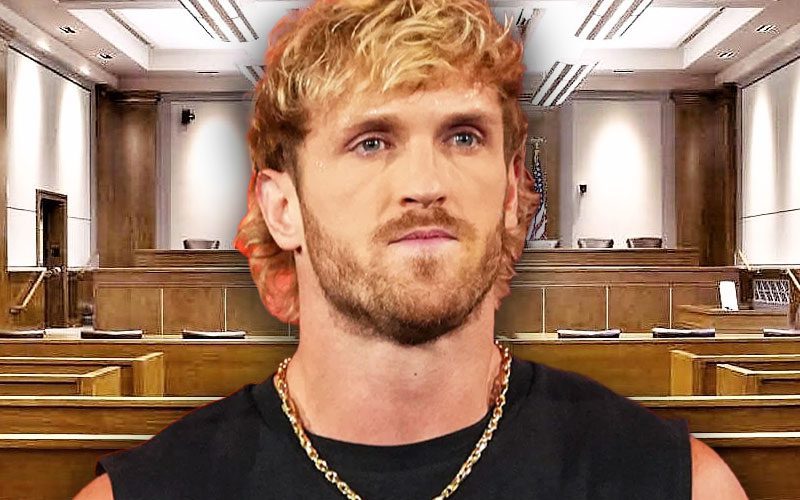
We must address the failure of the 2017-2019 period, where booking became overly reliant on part-time talent at the expense of developing new household names. This mistake caused a massive stagnation in ticket sales that took years to correct. Meanwhile, legal threats like the one reported by Ringside News involving high-profile personalities keep the focus on the business side rather than the art form. This obsession with external drama often distracts from the actual performance metrics we value as fans.