The Natural returns to training
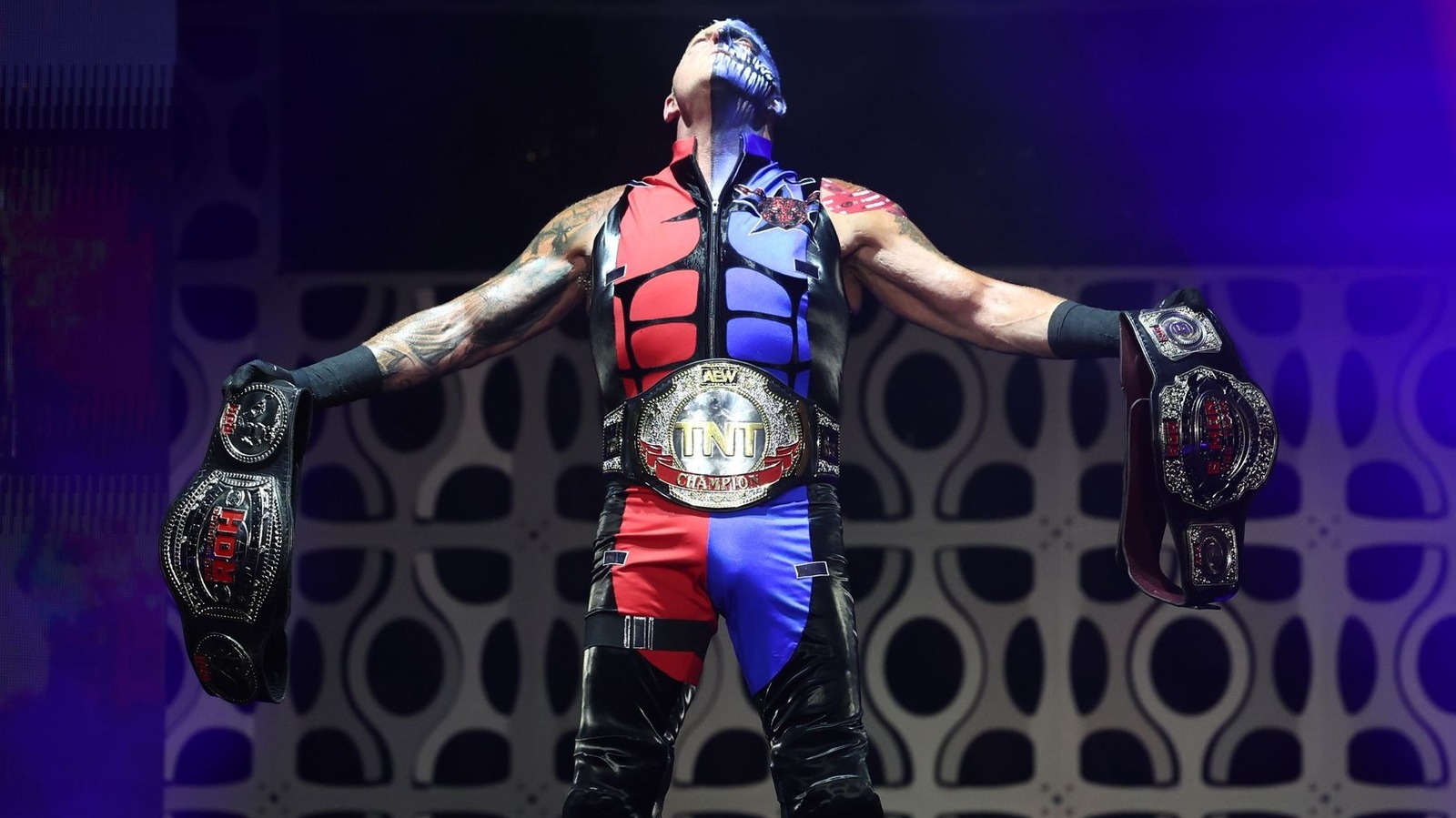
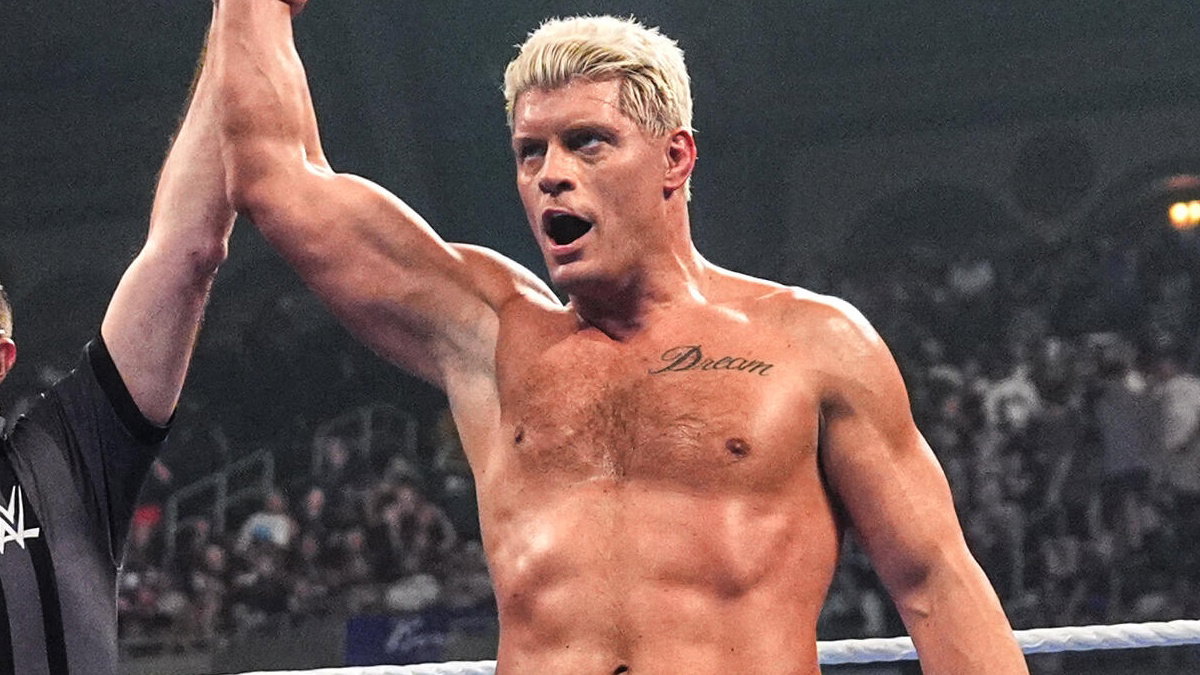
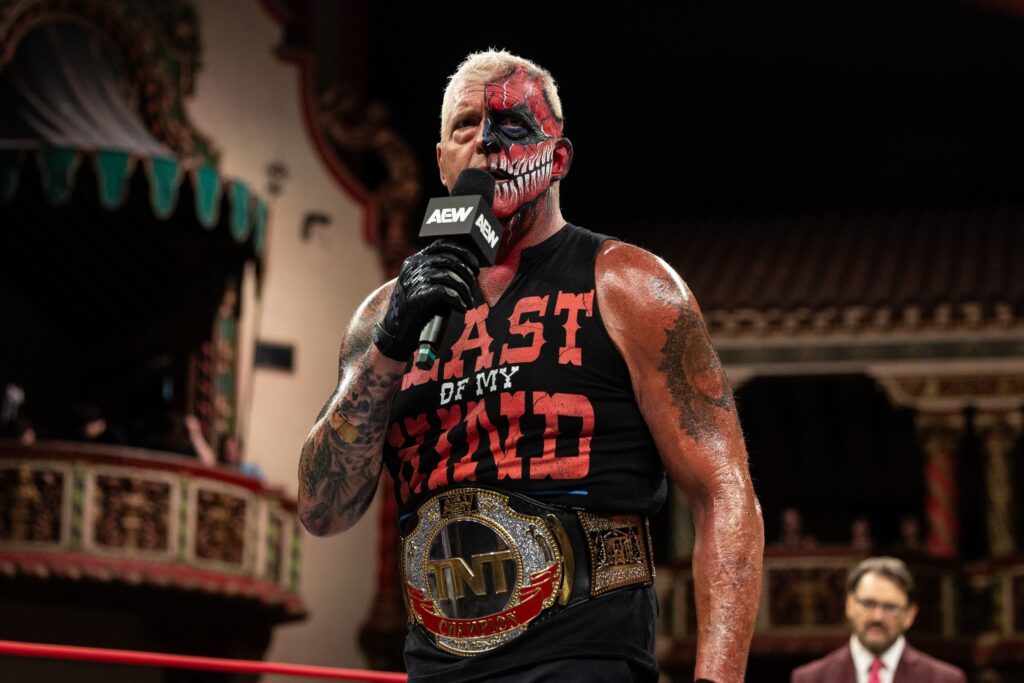
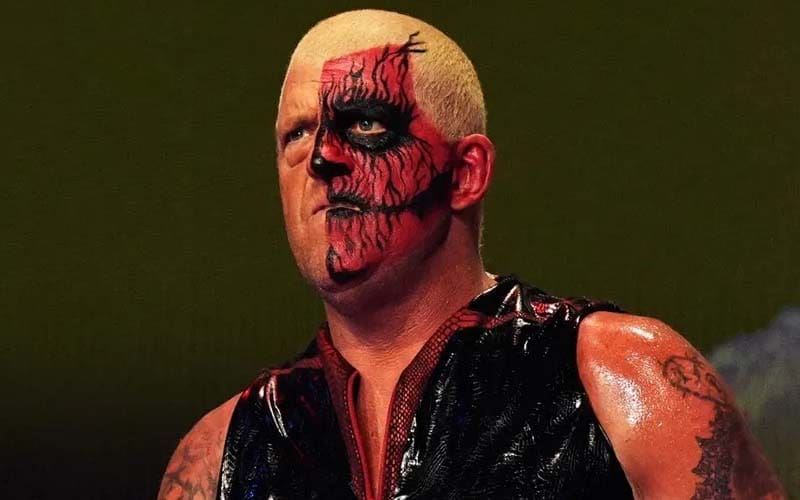
Dustin Rhodes is back between the ropes. Months after undergoing double knee replacement surgery, the 55-year-old veteran has begun active ring work, signaling a potential final chapter in a career that has spanned nearly four decades. While many expected the invasive procedure to serve as a quiet retirement, Rhodes has once again defied the typical aging curve of the industry.
The recovery from a double knee replacement is notoriously grueling for any athlete, let alone a heavyweight wrestler whose style involves high-impact slams and his signature bulldog. Most medical professionals estimate a full return to athletic activity takes six to twelve months. Rhodes is currently hitting those benchmarks, though the transition from light drills to a full-speed television match is a massive hurdle he has yet to clear.
According to Ringside News, the AEW veteran is already taking visible steps toward getting back inside the ring. This isn't just a vanity project; Rhodes remains one of the most respected coaches and on-screen mentors in the locker room. His presence provides a layer of institutional knowledge that AEW desperately needs as it navigates a shifting roster landscape.
Tactical shift and roster impact
When Rhodes does return to the active roster, don't expect the same frantic pace he maintained during his early AEW run against Cody. The reality of artificial joints means a more grounded, psychology-heavy approach. He will likely be utilized in high-leverage tag team spots or short, meaningful singles programs where his selling can do the heavy lifting rather than his athleticism.
His absence over the last several months left a void in the mid-card veteran tier. With the Continental Classic and various tournament structures frequently demanding experienced hands to guide younger talent, Rhodes was missed as a safe pair of hands. His return allows Tony Khan to slot a legend into ROH or AEW Dynamite segments without worrying about the match quality dipping below a certain standard.
The historical context for this kind of comeback is thin. Few wrestlers have successfully returned to a full-time schedule after bilateral knee replacements. Rey Mysterio has famously undergone numerous stem cell treatments and surgeries to keep his knees functional, but a total replacement is a different beast. Rhodes is essentially beta-testing how much mileage a modern wrestler can get out of hardware after the biological parts fail.
The Road to the Final Chapter
Rhodes has been vocal about his career winding down, often hinting that 2024 or 2025 could be his last year in the spotlight. The decision to fix both knees simultaneously suggests a desire to go out on his own terms rather than hobbling to the finish line. If he can achieve even 70% of his former mobility, he remains a more effective storyteller than half the talent on the independent circuit.
There is a risk here that shouldn't be ignored. Returning too early to the ring can lead to compensatory injuries in the hips or lower back. For a man of his age, a secondary injury during this comeback could be the definitive end. The AEW medical team will likely be conservative with his booking, perhaps limiting him to one match per month during the initial phase of his return to ensure the hardware holds up under the 200-pound stress of professional wrestling.
The immediate timeline places him in a "return to play" protocol. This involves basic footwork, hitting the ropes, and taking light bumps to test the structural integrity of the surgical sites. Short-term expectations should be tempered; we are likely 4-8 weeks away from seeing him in a televised match. Long-term, he provides AEW with a reliable legacy act that can still deliver a four-star emotional beatdown when the story demands it.
Critics might argue that a 55-year-old taking up a roster spot after such a major surgery is a step backward for a company that needs to build new stars. It’s a fair point. However, the value Rhodes provides in the "Gorilla Position" and in pre-match planning often outweighs the minutes he spends on screen. He isn't just a wrestler; he is a piece of the company’s internal logic and stability.
Medical context and recovery milestones
Double knee replacements involve the total resurfacing of the femur and tibia with metal and plastic components. For a wrestler, the primary concern is the loosening of these components over time due to the repetitive impact of landing. Rhodes will have to abandon certain aspects of his arsenal, specifically anything involving high-impact drops directly onto his knees.
He has already surpassed the initial physical therapy goals. Most patients are just beginning to walk without assistance at the stage where Rhodes is already running the ropes. His discipline in the gym has never been questioned, but the sheer physics of a 230-pound man landing on a canvas will be the ultimate test. If he succeeds, he sets a new precedent for career longevity in the modern era.
The next few weeks of training will be decisive. If he experiences swelling or mechanical issues after these initial sessions, the retirement talk will move from speculation to reality. For now, The Natural is betting on himself one more time, and the wrestling world is watching to see if the metal can match the heart of one of the game’s last true outlaws.