The Bang Bang Gang's chain match is a cry for relevancy
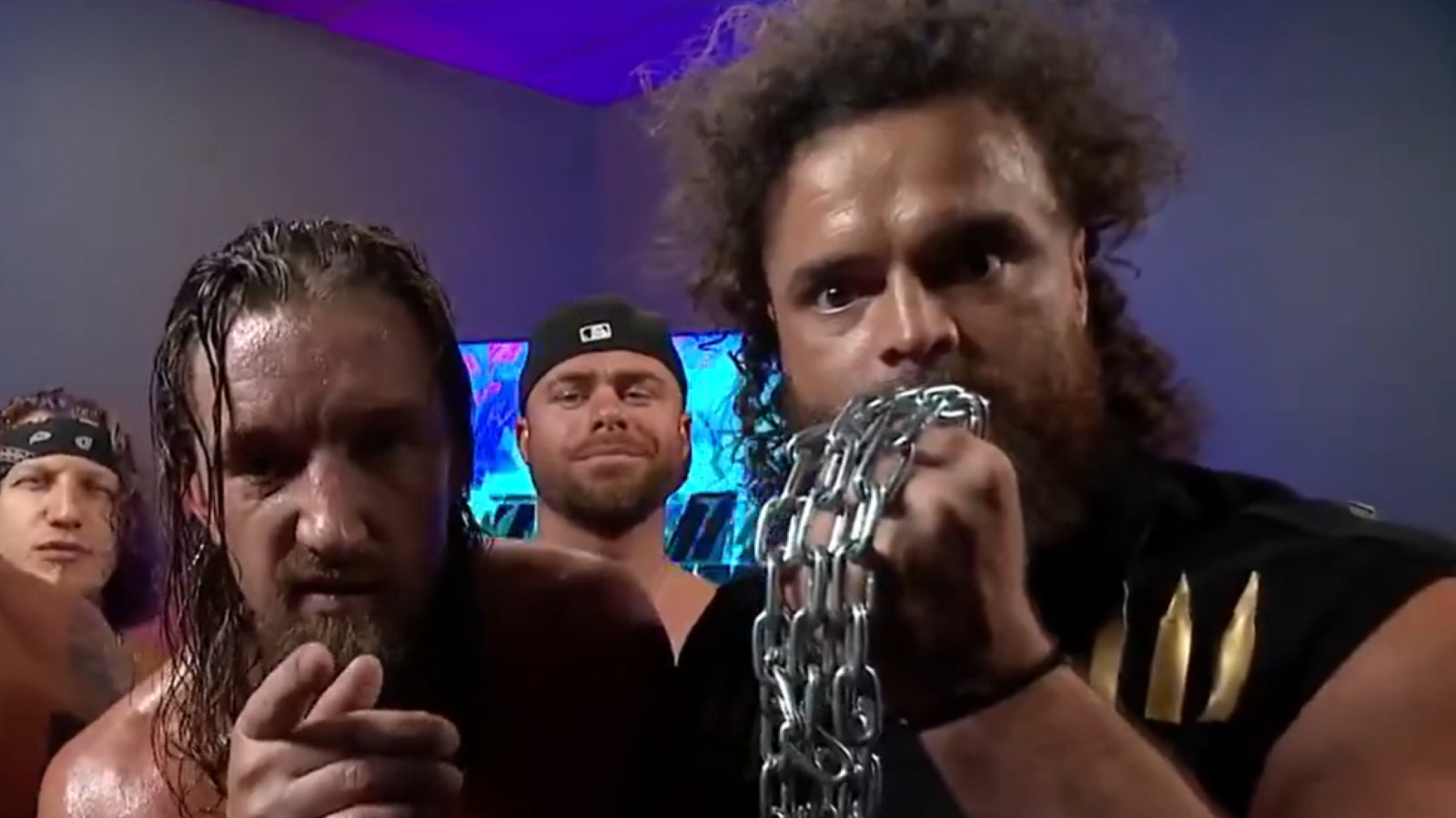
Tactical desperation in the ring
The announcement of a Double Chain match for the upcoming AEW Redemption card feels less like a strategic evolution and more like a concession of lost momentum. Jay White, Juice Robinson, and the Gunns have spent the last quarter searching for an identity that sticks. Placing themselves inside twin steel restraints suggests a lack of faith in their standard in-ring output.
Technical wrestling is defined by spatial awareness and range. By tethering wrists, competitors eliminate the very distance necessary for strike exchanges and high-angle tactical movement. We saw the Bang Bang Gang struggle with their pacing during recent televised segments on Dynamite. They are attempting to mask this inefficiency with a gimmick designed to force visceral reactions.
The math of the gimmick
Chain matches are traditionally high-variance, low-precision affairs. They incentivize clunky, impact-heavy sequences over the crisp technical work that defines the upper echelon of the roster. When you analyze their trajectory since the Bullet Club Gold rebranding, the shift toward stipulations indicates a decline in natural heat.
Stipulation matches traditionally serve two functions in professional wrestling. They either push a compelling rivalry over the final threshold of hostility or they mask a talent shortage in the midcard. A Double Chain match is arguably the most restrictive environment you can build. It forces opponents into close quarters where the margin for error during a transition is nearly zero.
As reported on Wrestling Inc, this callout arrived mid-broadcast as a direct response to recent losses. The desperation is palpable, though perhaps predictable. Relying on heavy metal hardware to dictate the flow of a match does not improve the quality of the narrative. It merely limits the toolbox available to the participants.
Missing the technical mark
The Bang Bang Gang possesses undeniable individual athleticism, particularly Jay White. His ability to hit the Blade Runner from practically any setup remains one of the most efficient finishers in the company. By choosing a Double Chain format, they risk neutering that specific effectiveness. They will be tethered to opponents who can occupy their space and disrupt their timing.
There is a flaw in the logic here. If the group wanted to reclaim their status as the premier stable in AEW, they should have opted for a contest that emphasized their superior tagging mechanics and team coordination. Instead, they opted for an obstacle that hinders movement. It is a classic tactical blunder: choosing a format that turns a wrestling match into a brawl for the sake of survival.
History will ultimately judge the success of this booking based on the total runtime of the tethered sequences. If the match degrades into a slow, mechanical pull-and-tug, it will fail to capture the intensity they clearly crave. The pressure to generate a viral moment often leads to booking these restrictive stips, but at AEW Redemption, the focus should remain on execution rather than hardware.
The risk of diminished returns
Professional wrestling thrives on flow and fluidity. We have seen far too many talents lose their edge by leaning into gimmick-reliant storytelling. The Bang Bang Gang needs to show they can control an opponent without the aid of a literal chain linking them together. If they cannot dominate a standard encounter, the chain will likely function as a shackle on their own credibility.
The fans deserve a display of technical refinement. This stipulation feels like a deviation from that standard. Unless the performers can innovate within the extremely narrow constraints of a tethered match, this will be remembered as a missed opportunity to showcase their actual skill set under pressure.
WWE 35 Years of WrestleMania by Brian Shields & Dean Miller
The definitive visual history of the grandest stage of them all.
Frequently Asked Questions
What is the primary criticism of the Bang Bang Gang's upcoming match?
Why does the author consider the Double Chain match a tactical blunder?
How do chain matches affect the effectiveness of Jay White’s finisher?
What is the history of the Bang Bang Gang's recent momentum?
What are the common functions of gimmick matches in wrestling?
More Coverage
AEW Redemption needs more than gimmicks to fix its stale tag team scene
an hour agoWhy WWE's upcoming big match is reaching a boiling point
2 hours ago
Top 10 Sammy Guevara Moments: The High-Flying Trajectory
4 hours ago
Jade Cargill and Tiffany Stratton aren't going anywhere
5 hours ago
WWE’s current title scene is a mess and the fans are officially losing it
6 hours ago
Top 10: Most Impactful Moments in Modern WWE History
8 hours agoMore Analysis
AEW Redemption needs more than gimmicks to fix its stale tag team scene
an hour agoWWE medical team monitoring severe roster fatigue and high-profile injury surge
2 hours agoWhy WWE's upcoming big match is reaching a boiling point
2 hours ago
Seth Rollins is right to feel slighted by his WrestleMania history
2 hours ago