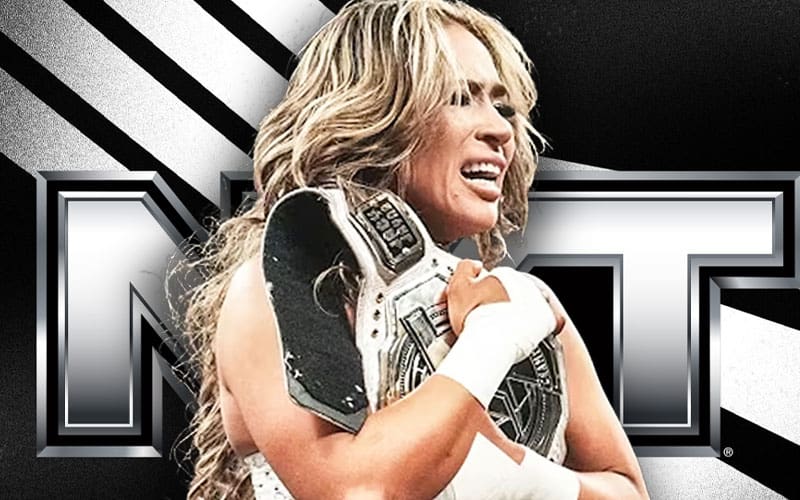
Did You Feel That? It Was The Soul Leaving The Building
I’ve been watching NXT since guys were jumping through flaming hoops just to get a developmental contract. I was there for the dusty bingo hall days at Full Sail. I’ve seen the black and gold brand rise, fall, and get painted over with a neon rainbow. But what I saw this past Tuesday, April 7th, was something entirely different. It was something… sterile.
It wasn't a bad show, not in the way a botch-filled mess is bad. The lighting was perfect. The audio was crisp. The wrestlers hit their spots with unnerving precision. But as the credits rolled, I was left with the same empty feeling I get after a corporate team-building exercise. It was professional, it was competent, and it was utterly devoid of a soul. And I think I know why.
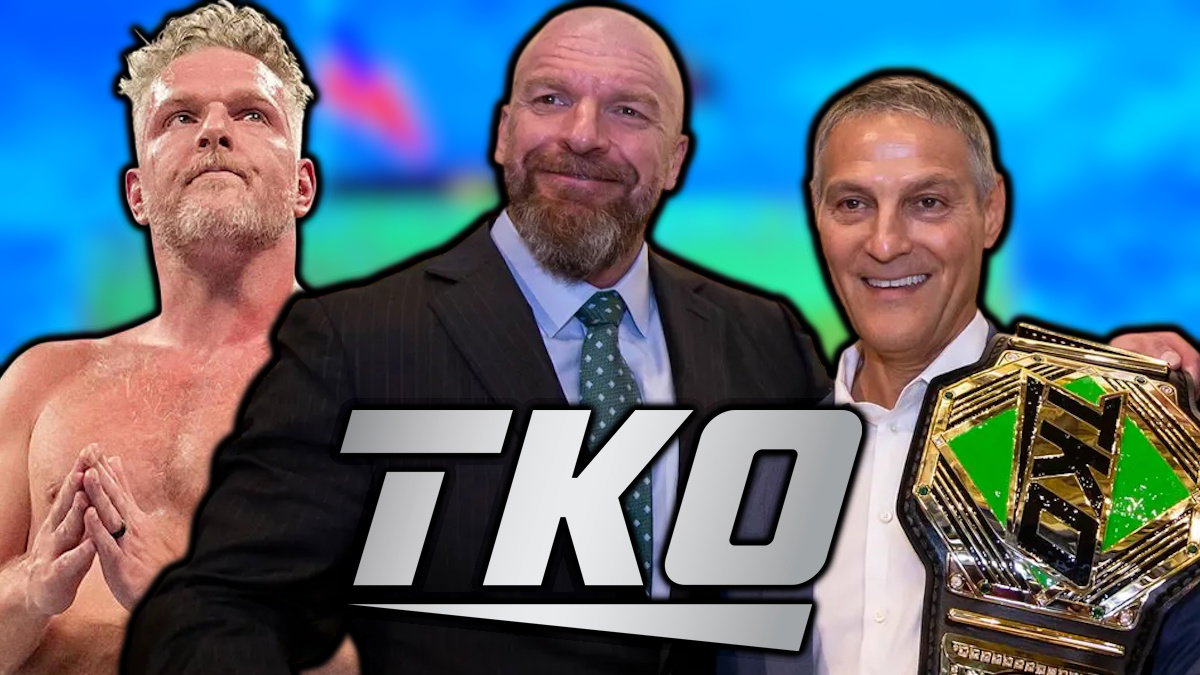
You have to look outside the ring. While the official highlights will tell you one story, the real headline dropped a day later. TKO Group Holdings, the corporate overlords who now own WWE, announced they’d be presenting their first-quarter 2026 results. Suddenly, the soulless efficiency of Tuesday’s show makes perfect, horrifying sense. We weren’t watching a wrestling show. We were watching a live-action presentation for investors.
The Cautionary Tale of Harrison Sterling
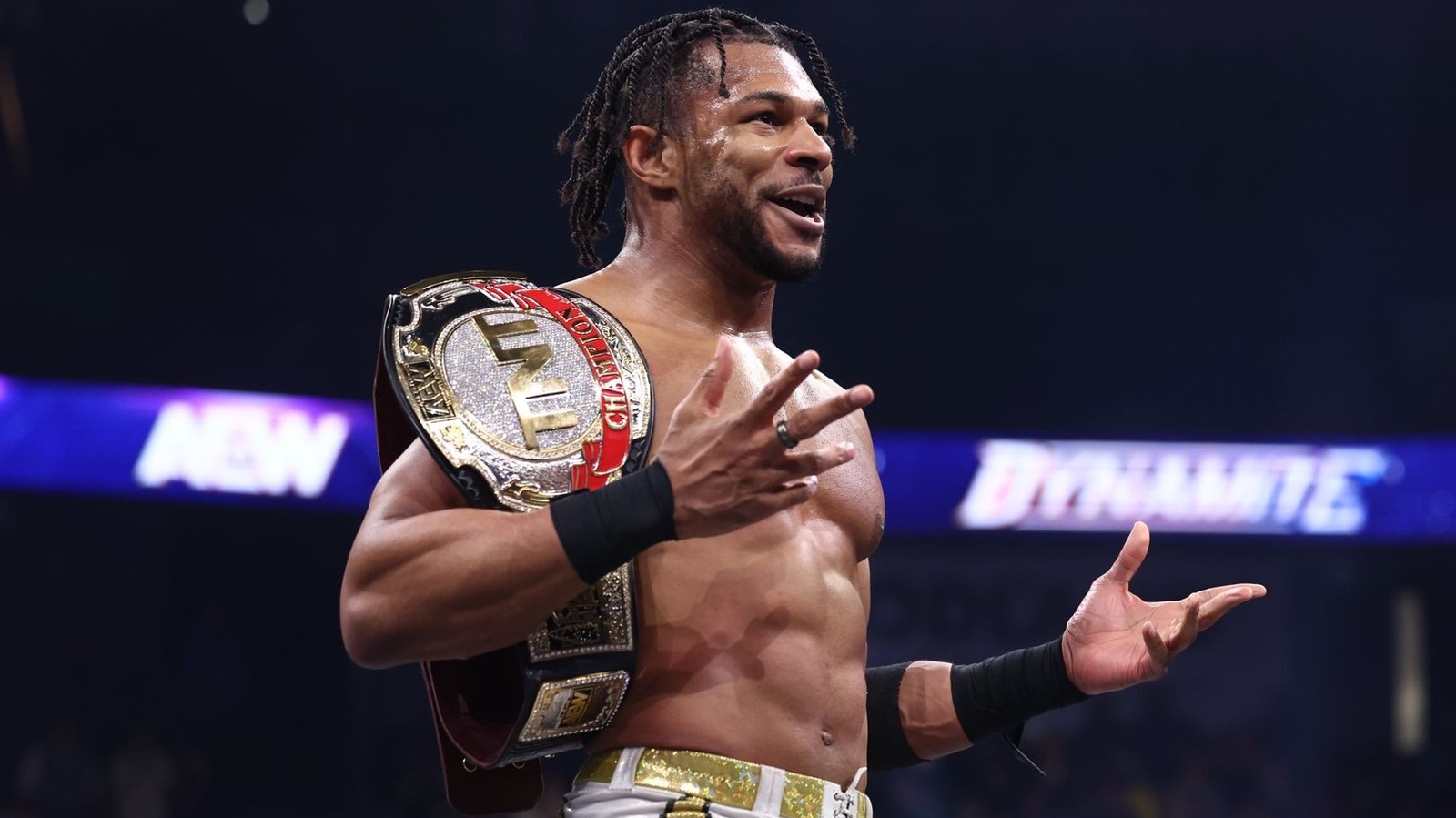
The main event was a microcosm of the entire evening. You had Trick Williams, a man who oozes more charisma from his left pinky than most of the main roster has in their entire body. He’s the walking, talking heart of NXT. The crowd doesn’t just cheer for him; they believe in him. He’s the guy you build a brand around. His opponent? Harrison Sterling.
Who the hell is Harrison Sterling? Exactly. He looks like he was built in a lab by a marketing department that just discovered focus groups. He’s got the right height, the right look, and a moveset so fundamentally sound it puts you to sleep. He’s the human equivalent of a stock photo titled “professional wrestler.”
The match was a painful exercise in creative malpractice. Trick did everything he could to inject life into the proceedings, flying around the ring, playing to the crowd, being the superstar he is. Sterling, meanwhile, worked the leg. For fifteen minutes. It was technically sound, I guess. It also had the dramatic urgency of watching paint dry. And then it happened. Sterling hit his finisher, a move so generic I’ve already forgotten it, and won. Clean. 1-2-3. The crowd went from a fever pitch to stunned silence. Not angry heat, not “you screwed him!” heat. Just… nothing. The show faded to black on the image of a perfectly coiffed champion with the emotional range of a Roomba.
This wasn't a creative choice; it was a business decision. With the TKO earnings call on the horizon, the last thing they wanted was a volatile, unpredictable champion like Trick Williams. They want a champion who looks good on a PowerPoint slide. Harrison Sterling is an asset, not a character. He’s a safe, predictable investment in a portfolio, and that’s all that matters now.
The Great Sanitization Project
Even The Brawlers Are Tidy Now
This corporate gloss wasn’t just in the main event. It seeped into every corner of the show. Down on the LFG tapings, which Ringside News spoiled for everyone, you have guys who are supposed to be the future. But what future are they being prepped for? A wild brawler who made his name on the indie scene with chaotic, bloody wars was forced into a “technical wrestling showcase” that saw him trading wristlocks for ten minutes. It was an insult to him and the audience.
Even the commentary felt like it had been scrubbed clean by a PR team. The passion and spontaneity were gone, replaced by perfectly timed plugs for WrestleMania 41 and meticulously crafted brand-safe soundbites. They didn't sound like two guys calling a fight; they sounded like they were reading an investment prospectus aloud.
My one criticism, and it’s a big one, is that in their pursuit of corporate polish, they’ve forgotten what made NXT special. It was the place for the misfits. The place where you could be too small, too loud, too different for the main roster and still become a star. It was punk rock. This new version? It’s a top-40 radio station owned by Clear Channel. All the edges have been sanded off, and what’s left is smooth, shiny, and completely forgettable.
The Developmental Factory Floor
With WrestleMania 41 just over a week away, the entire company’s focus is on the main roster. That’s understandable. But the NXT I fell in love with wasn't just a feeder system; it was its own destination. It was a legitimate third brand that could sell out arenas and put on show-of-the-year candidates. Now, it feels like it’s being demoted back to a simple R&D department.
The message from the top seems clear: the goal of NXT is no longer to be the best wrestling show it can be. The goal is to produce talent that is pre-packaged, pre-approved, and ready to be slotted into a mid-card role on Raw or SmackDown without making any waves. Harrison Sterling isn't the next NXT Champion; he's the next guy to trade wins with Ricochet for six months before fading into Main Event obscurity.
When the TKO executives boast about their Q1 earnings, they’ll talk about growth, market penetration, and brand integration. They won't talk about the passion in the CWC, or the organic connection between a wrestler and the audience, or the magic of a story paying off. They’ll see a factory that’s producing assets efficiently. But a factory can’t create art, and it can’t capture lightning in a bottle. And that’s the tragedy. The night the spreadsheets took over the asylum, the soul of NXT got posted on the balance sheet as a depreciating asset.