The politics of a Hall of Fame return
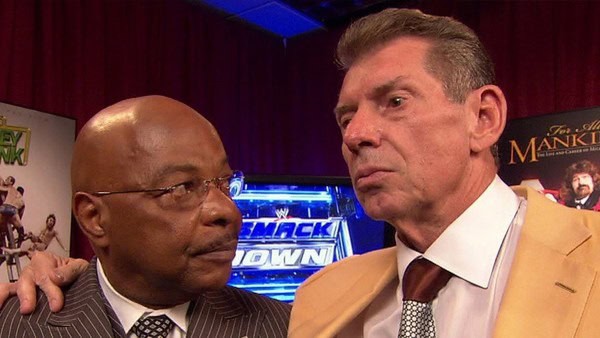
Legends in wrestling often dwell on the past, but Teddy Long keeps his sights firmly on the mechanics of the boardroom. The former SmackDown General Manager recently opened up about his career and his specific conditions for walking back through the gorilla position. As WrestlingNews.co reported, Long remains vocal about his loyalty to a specific leadership style.
Long made it clear he would only consider a return to active duty if the creative direction remained under the specific influence of Vince McMahon. This public admission highlights the divide between eras of talent management. While the current product often favors different pacing and character development, Long maintains that the classic authority figure structure is the only version of the game he credits with his own signature success.
Evaluating the booking philosophy
There is a recurring issue with bringing back former authority figures. Fans want the nostalgia, but the 2026 product moves at a clip that might leave a traditional manager, like the man who mandated hundreds of tag team matches, looking out of place. The mid-2000s era relied on the GM as a central plot device, while current booking shifts more focus toward the in-ring work rate and long-form narrative arcs.
Long’s insistence on the McMahon structure ignores the current creative shift, which prioritizes a more distributed authority model. Bringing back a character defined by his 0 percent tolerance for interference in tag matches feels like a relic. It risks stalling the current momentum of the mid-card programs that require fresh, autonomous challengers rather than a bureaucratic referee to settle disputes.
The cost of nostalgia
Booking decisions matter. If WWE were to pivot toward a traditional GM role for Long, the creative team would have to sacrifice critical airtime currently used for emerging talent. When an established star returns to control the flow of a show, the younger roster often stops driving the narrative themselves. This is the primary flaw in recurring guest spots.
The risk here is a mismatch of tone. Modern audiences, accustomed to the fast-paced, high-stakes competition of the current season, may not respond to the slow-burn authority segments of the past. Long stands as a reminder of how high the stakes felt in previous years, but he also represents a model that prioritized show-runner interference over the organic growth of the roster. If the goal is evolution, bringing back the old manager is usually a step backward.
The verdict
I predict WWE ignores this request for the foreseeable future. The company has invested heavily in its current creative staff and the data shows that fans are engaging with the product without requiring an on-screen authority figure to dictate match outcomes every week. Long remains a beloved Hall of Famer, but his specific conditions for return simply do not fit the current booking trajectory of the company.
- Long tenure: 1990s through 2010s career peaks.
- Primary booking tool: Mandatory tag team matches.
- Current status: Legend-spot availability.