The physical tax of the striped shirt
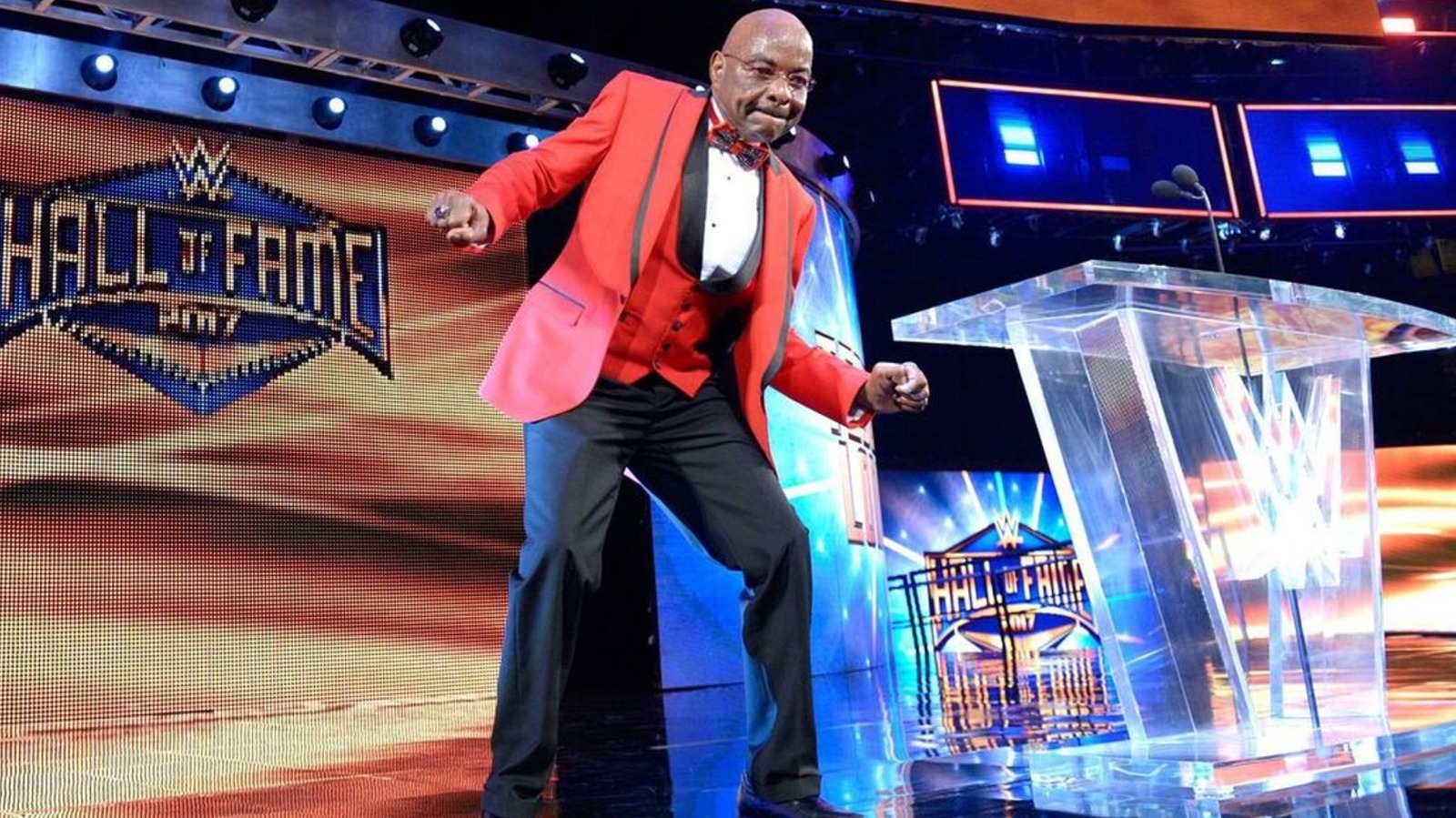
Referees occupy a unique space in professional wrestling. They are the only constants in a ring governed by high-impact collisions, yet their bodies are expected to absorb punishment without the protection afforded to the talent. Teddy Long, a former referee and eventual Smackdown general manager, recently pulled back the curtain on how dangerous this role truly is. He specifically pointed to a 1990s-era spot with The Big Show that nearly forced an early retirement.
Long described a sequence where he found himself in the direct line of fire against the seven-foot former world champion. While refs are trained to position themselves correctly to maintain the integrity of a match, they aren't trained to brace for a 500-pound human force. The result was a collision that, in his words, left him feeling the effects for years afterward.
The reality of working with giants
Professional wrestling logic dictates that referees move out of the way before the heavy artillery lands. However, live matches rarely follow the scripted plan perfectly. When a move goes sideways or a ref gets caught in the 'splash zone' of an atomic leg drop or a chokeslam, they lack the padding and the suspension of disbelief that protects their coworkers.
Long isn't the first official to speak on the hazard. Industry veterans have long noted the lack of medical support for referees, who are often independent contractors with limited benefits. When a ref takes a bump, they don't get the same physiotherapy resources as the main eventers. This creates a career longevity issue that remains largely ignored by booking teams focused on high-spot frequency.
Why this matters for Backlash
As we head into WWE Backlash on May 9, the physical safety of the officiating crew is once again a silent subtext for the spectacle. Expect higher spot density during the championship matches. The risk of incidental contact is at its annual peak.
Referees are no longer just passive observers of the action. They are increasingly integrated into the drama, requiring them to slide into position for pinfalls just as massive competitors are landing aerial maneuvers. It is a formula that relies on razor-thin margins of error. If the timing on a moonsault or a diving headbutt is off by even a tenth of a second, the referee is taking the brunt of that impact.
The hidden burden of the ring
Historically, the industry has viewed referees as disposable components. This needs to change if the product wants to emphasize performer wellbeing. The 30-plus years of wear and tear mentioned by Long should serve as a wake-up call for the current generation of authority figures.
You cannot have a coherent narrative if the person in charge of counting the fall is concussed or nursing a fractured rib. The reliance on referees to be human cushions for larger-than-life characters is a dated booking trope. It looks sloppy on camera and causes genuine, long-term harm to the staff. Moving forward, the promotion would do well to limit referee bumps to strictly choreographed spots rather than 'accidental' collisions.
The standard of officiating in 2026 has improved, but the physical danger has simultaneously spiked. Modern wrestlers are faster and hit harder than those in the eras where refs were mostly static observers. A ref caught at the wrong angle is now facing the full kinetic energy of athletes like Bron Breakker or Gunther, which is a significant downgrade in safety compared to the previous decade.
Ultimately, the role of the referee is to facilitate the storytelling, not to contribute to the injury rate. If the promotion continues to use referees as crash test dummies, they are going to run out of healthy staff well before the summer tour hits its stride in June. The cost of a few cheap pops is not worth losing a veteran official to career-ending back trauma.