The shadow over Backlash
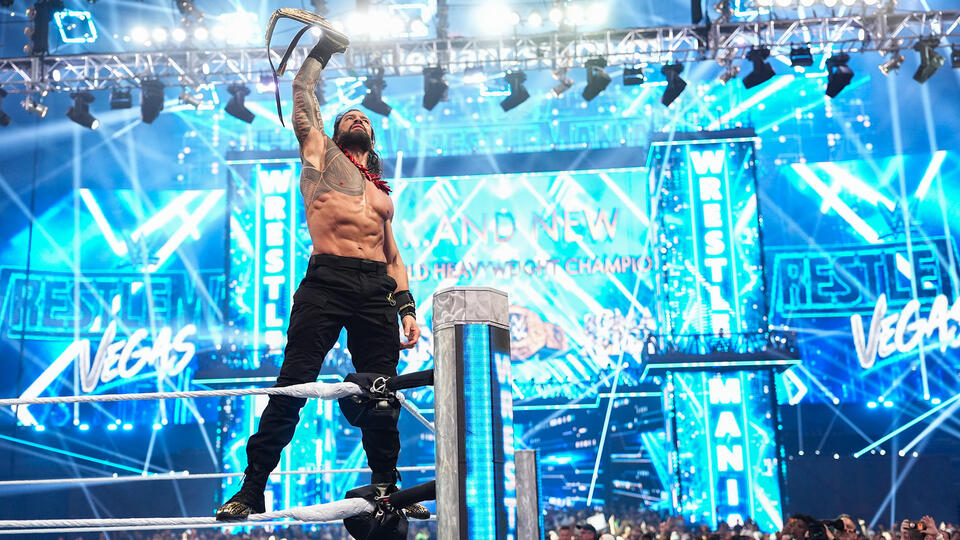
We are exactly eleven days away from WWE Backlash. The card is taking shape. The matches are locked in. But the most important factor heading into May 9 isn't on the poster. It is the guy who isn't there.
The recent backstage news regarding an absent star confirms what anyone charting TV time has already suspected. The silence from WWE management is deafening. Usually, when a top-tier talent goes dark post-WrestleMania, we get a timeline. We get an injury update, a scheduled surgery, or a movie shoot excuse. This time? Nothing. Just radio silence from the medical staff and the creative writers.
That silence is bleeding into the on-screen product. You can feel the booking team working around a massive hole in the upper card. They are dragging out segments, heavily relying on mid-card talent to fill premium television time. It is a glaring structural flaw. You cannot remove a top-three merchandise seller and expect the rest of the roster to seamlessly absorb those vacant minutes.
The ripple effect is obvious. Storylines that should have peaked three weeks ago are artificially extended. The Bloodline drama is treading water. The entire roster feels like it is waiting for a cue that hasn't arrived. The creative direction is paralyzed by this single, glaring absence.
Cody's isolated reign
Look at Cody Rhodes. He survived Las Vegas. He walked out of Allegiant Stadium still holding the WWE Championship. His Night 2 title defense was a brutal, grinding affair that tested his physical limits. He bled, he fought, and he conquered the mountain. But what has happened since?
He is cutting promos into a void. The current crop of challengers feels like a rotation of placeholders. The tactical setup is standard WWE formula. Rhodes takes the heat, gets isolated in the corner, hits a desperation Cody Cutter, and rallies for the pin. It is fundamentally sound professional wrestling, but it is entirely devoid of danger.
The matches lack the existential threat that characterized his chase. Without that missing, elite-level antagonist lurking in the background, Rhodes is just a champion wrestling good matches. He isn't a protagonist fighting for his life. The audience demands stakes. Right now, there are none.
The pacing of his recent TV bouts is troubling. The championship matches are running long, stretching past 20 minutes without the necessary dramatic escalation. Rhodes is carrying the workload, but you can see the fatigue. He needs a dance partner who forces him to change his rhythm. He needs an opponent who doesn't respect his offensive sequencing.
The mechanical breakdown
Let's talk in-ring tactics. If Rhodes defends at Backlash against a powerhouse, his standard offensive sequences are going to be neutralized. We saw this exact scenario play out late last year.
When an opponent controls the center of the ring, Rhodes struggles to hit the ropes with enough velocity for his signature spots. His transitions become labored. He relies heavily on the snap scoop powerslam counter, which advance scouts have clearly figured out. Opponents are simply dropping their center of gravity and blocking the rotation. They are forcing him to fight out of the clinch, a position where he is significantly disadvantaged.
This is where the missing star comes in. The absent talent is the only one who consistently forces Rhodes to work a mat-based, submission-heavy style. Without that stylistic contrast, the main event scene feels dangerously repetitive.
Rhodes has developed a bad habit of rushing his comebacks. He ignores the damage to his legs, springing up for a Disaster Kick even after spending ten minutes trapped in a figure-four or a kneebar. It shatters the illusion of the contest. A sharper, more ruthless opponent would chop block the plant leg and end the match. Instead, the current roster lets him hit his spots.
The Backlash problem
WWE Backlash has always been the hangover pay-per-view. It is the show where the adrenaline of WrestleMania wears off and the reality of the summer grind sets in. This year, the booking feels particularly lazy.
We are seeing rematches that simply do not warrant a second chapter. We are seeing thrown-together tag bouts meant to shield protected singles stars from taking clean losses. The primary failure right now is a total lack of urgency. Nobody is trying to steal the show. They are trying to survive until SummerSlam.
The absence of a top star gives the locker room an excuse to coast. If the main guy isn't here, why risk a major bump? That mentality is poison for a live crowd. It leads to safe, predictable television and quiet arenas.
I charted the last three weeks of television specifically measuring the work rate. The average match length has dropped by two minutes. The transition sequences are noticeably slower. The near-falls lack conviction. The talent is going through the motions. It is a roster waiting for a spark, terrified of making a mistake before the missing piece returns.
What to watch for on May 9
When the bell rings at Backlash, pay attention to the opening five minutes of the main event. If Rhodes and his challenger tie up and immediately go into a feeling-out process with standard wristlocks, we are in for a long, dull night.
They need to start in fifth gear. They need a pre-match brawl. They need to throw the standard script out and work a chaotic, high-stakes sprint. Rhodes is at his best when the match breaks down completely, when the referee loses control, and when he has to bleed for the victory.
If the challenger targets Rhodes' left arm—a lingering issue since the Vegas defense—the match slows to a crawl. Rhodes is not a compelling seller of joint manipulation. He sells exhaustion well. He sells sheer blunt-force trauma well. He does not sell a compromised rotator cuff with the necessary nuance to carry a main event.
Watch his footwork. If Rhodes is flat-footed early, it means he is playing defense. He needs to circle away from the power hand of his opponent. He needs to use his jab to maintain distance. If he gets caught on the ropes, the match is effectively over.
The invisible ghost
The specter of the absent star hangs over this entire event. The crowd knows they are missing. The fans in the arena will be waiting for the music to hit. Every time the lights flicker, every time a heel cuts a boastful promo, the anticipation will spike.
WWE is playing a dangerous game. If you tease an absence and let the backstage rumors swirl without a payoff, the audience turns on the talent currently in the ring. They did it during the Batista return in 2014. They did it when Daniel Bryan was omitted from the Royal Rumble. They will do it again if Backlash ends with a generic babyface celebration.
The booking team has backed themselves into a corner. They either bring the absent star back at Backlash and blow the roof off the building, or they deliver a straight, clean finish and risk a chorus of boos to close the broadcast.
The tactical path forward
To avoid a disaster, the Backlash main event must be a masterclass in misdirection. The challenger needs to isolate Rhodes early, cutting off the ring. They need to use heavy, measured strikes to wear down his cardio. They cannot let him breathe.
Rhodes, in response, has to abandon the aerial offense. No moonsaults. No top-rope stalling. He needs to rely on snap strikes and quick roll-ups. He needs to make the match ugly and violent. A technical clinic will put the crowd to sleep.
The finish has to be decisive. A dusty finish or a cheap disqualification will ruin the momentum of the entire post-Mania season. The fans paid for a definitive conclusion, especially if they are being denied the appearance of a major star.
Look for the transition into the Cross Rhodes. The setup has become too predictable. The kick to the gut, the underhook, the pause for crowd reaction. A smart challenger will counter that pause with a back body drop or a stiff knee to the jaw. Rhodes must speed up his execution to secure the win.
Prediction
I do not expect a clean, technical masterpiece at Backlash. I expect a messy, emotional brawl that covers up the creative holes currently plaguing the product.
Rhodes will retain. He has to. Stripping him of the title just weeks after a grueling Night 2 WrestleMania victory would be catastrophic booking. It would render the entire Las Vegas build meaningless and destroy his credibility.
He will retain via a sudden, desperate Cross Rhodes after a grueling 25-minute war. He will barely be able to stand. The referee will raise his hand to polite applause.
And then, the lights will go out.
The backstage news will finally manifest in the ring. The absent star returns, not to wrestle, but to send a message. A single, devastating finisher to a broken champion. The broadcast will cut to black, leaving us with a visual that justifies the month of boring television we had to sit through to get here.
Cody Rhodes survives the night, but the summer belongs to the returning ghost.
Read Next
- WWE needs to stop relying on celebrities who might ghost them before Backlash
- Backlash 2026: Cody Rhodes defends in a locker room on edge
- Jacob Fatu just changed the math on Monday Night Raw
- WWE's vague May 4 contract signing is sparking wild free agent rumors
- 🏆 WrestleMania 41 — Full Coverage Hub
- 💥 WWE Backlash 2026 — Full Coverage Hub