The cost of being a visibility leader
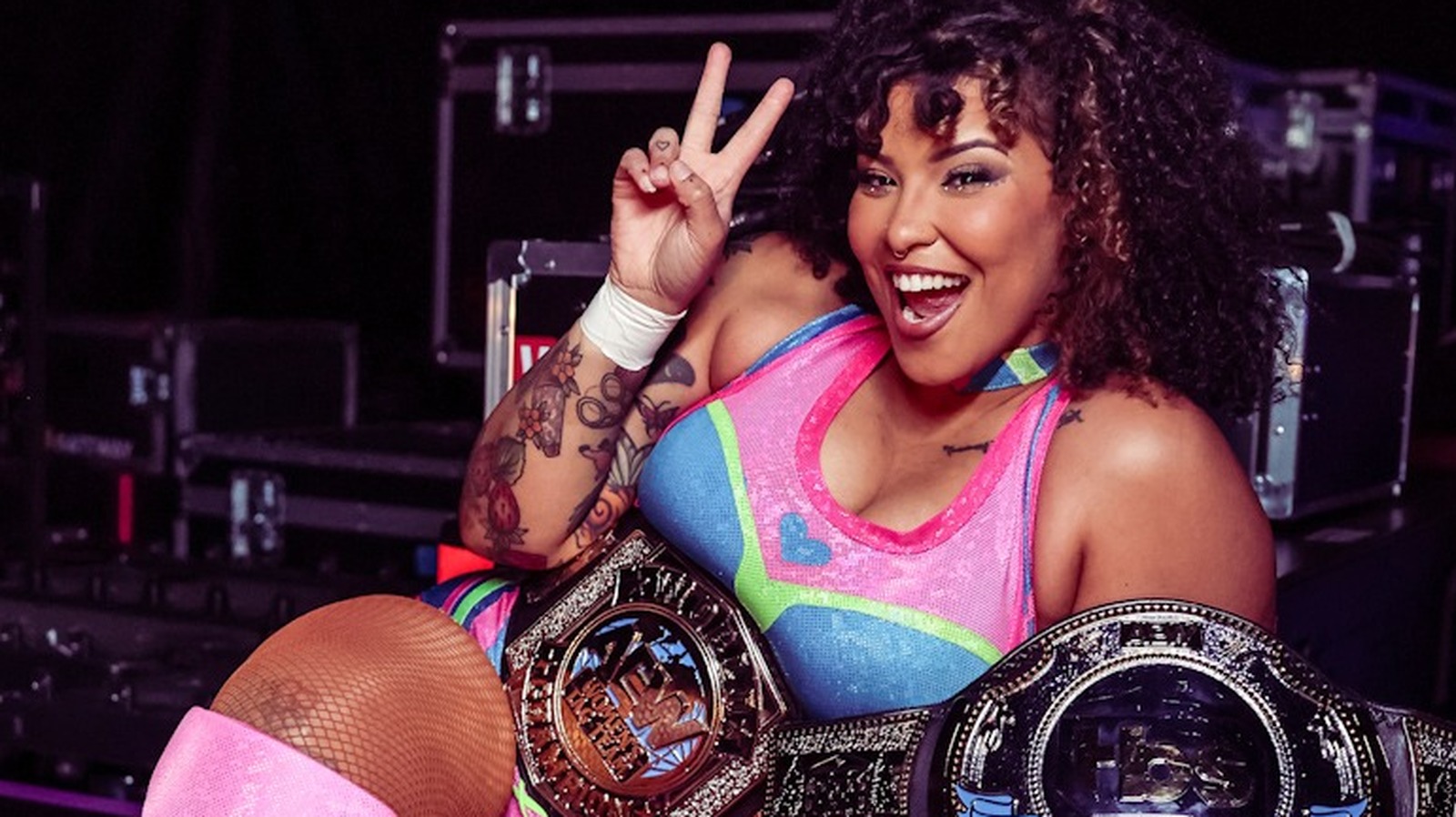
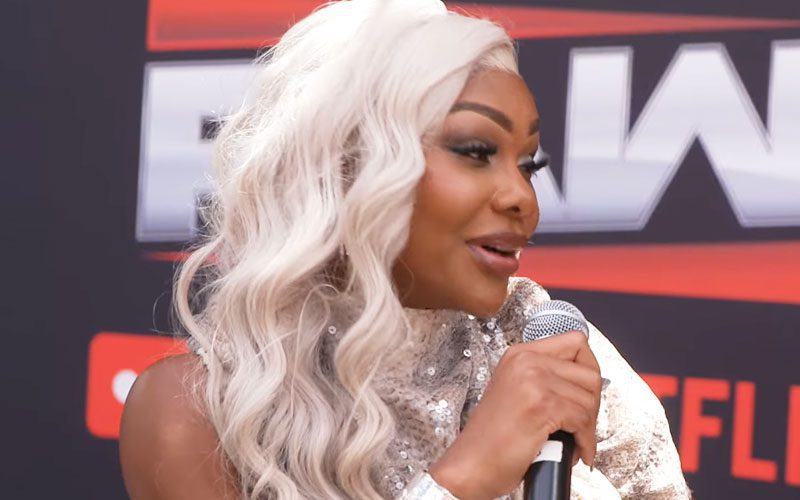
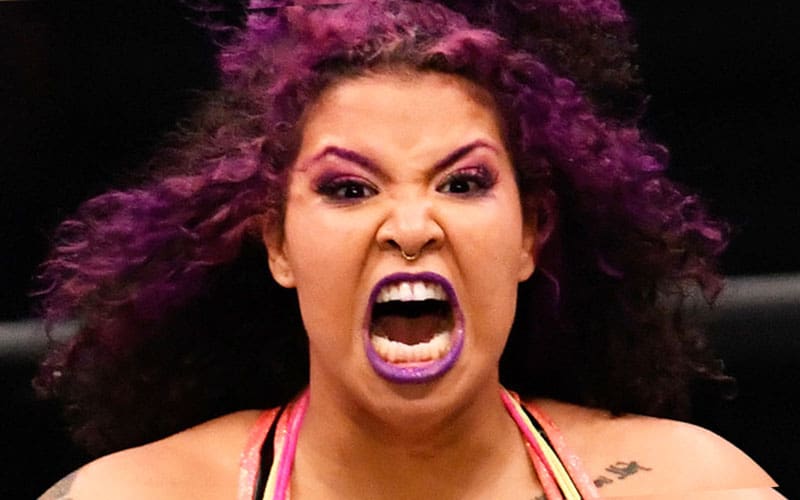
Willow Nightingale recently articulated a frustration that has lingered in the professional wrestling sphere for far too long. She addressed the intersection of misogyny and racism propagated by a subset of the online audience. It is an uncomfortable reality for many, but one she chose to highlight with direct, focused indignation.
This is not a matter of skin-deep engagement. When a performer of her stature calls out the toxicity inherent in certain corners of the internet, it serves as a wake-up call for the entire industry. Ignoring these voices does not make the behavior dissipate; it only grants it permission to endure.
The professional toll of digital vitriol
As Ringside News noted, the conversation surrounding Nightingale is often hijacked by bad-faith actors. Her talent in the ring—defined by stiff lariats and a genuine connection with live crowds—is frequently ignored in favor of identity-based attacks. This is a failure of the viewership, not the athlete.
We talk constantly about work rate, chain wrestling, and the mechanics of a perfect transition. Yet, we rarely reckon with why certain performers face hurdles that have nothing to do with their ability to execute a suplex. Nightingale is forcing that conversation to the front of the line.
Reframing the discourse
It is worth noting that the standard of discourse in wrestling forums has plummeted. By centering these accusations, Nightingale risks the ire of the 'gatekeeper' demographic, but she gains the agency to define her own boundaries. This is the precise type of pushback required to clean up the community.
If fans cannot separate their personal biases from the actual in-ring performance, they are missing the point of the product. Wrestling remains one of our few remaining shared athletic spectacles. Allowing discriminatory behavior to sour that experience is a collective failure.
A necessary friction
Moving forward, the industry must decide if it wants to foster an environment where performers feel safe or stay silent while this vitriol festers. The current model—where talent is expected to ignore online harassment—is unsustainable. It drains the joy from the sport for everyone involved.
My prediction for the coming months is that we will see more performers take this stance. If you look at the trajectory of the landscape, the shift toward accountability is now inevitable. Nightingale has marked the spot where the line is drawn. It is up to the rest of us to respect that boundary.