The Medical Reality of the Missing Tooth
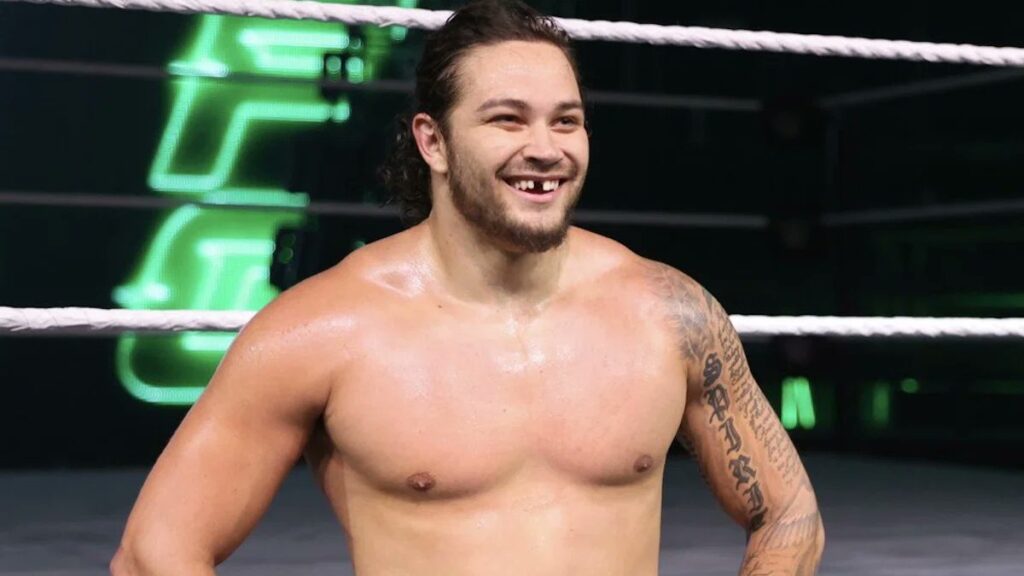
Shiloh Hill opens his mouth to speak, and the gap is impossible to ignore. It has rapidly become a defining aesthetic for the rising NXT prospect. Between his high-energy bursts in the ring and his bizarre, Dark Web-obsessed online persona, the missing tooth provides the exact kind of unpolished detail you cannot manufacture in a creative meeting.
According to recent coverage from BodySlam.net, Hill has openly addressed the origins of his dental injury. Instead of rushing to a cosmetic dentist to fix his smile, he is turning a painful workplace accident into a signature look. It works perfectly for his character. But it opens a necessary, often avoided conversation about one of the most common medical realities in professional wrestling.
Dental trauma is completely rampant in the squared circle. We constantly analyze torn ACLs, separated shoulders, and the ever-present shadow of concussions. Broken teeth rarely make the official injury reports. They are dismissed as cosmetic inconveniences.
From a clinical perspective, a knocked-out tooth—known medically as dental avulsion—is a ticking clock. If a tooth is completely dislodged, the periodontal ligaments are instantly severed. The vital blood supply is cut off.
You have roughly 30 minutes to re-implant the tooth for a high probability of saving it. In a live television environment, that window usually slams shut before the referee even counts to three.
Wrestlers routinely take stiff elbows in the corner. They eat miscalculated knees to the jaw during high spots. They dive through the ropes and clip the unforgiving ring apron. The sheer impact force required to dislodge a healthy adult tooth is massive.
It typically involves severe blunt force trauma directly to the maxilla or mandible. When it happens mid-match, the protocol is grim. The referee has a very specific job in these moments.
They do not throw up the dreaded 'X' symbol for a missing incisor. Their job is to discreetly kick the tooth out of the ring so no one rolls on it, or pocket it for the talent if they happen to see it. The performer checks their jaw for fractures, swallows the blood, and keeps working.
A History of Shattered Smiles
Historically, professional wrestling has treated dental destruction as a twisted badge of honor. Mick Foley famously had a tooth lodged inside his nasal cavity after plunging through the roof of the Hell in a Cell structure in 1998. It became an instantly iconic visual, replayed in video packages for decades.
More recently, Cesaro provided the most gruesome modern example at the No Mercy premium live event in 2017. A slingshot into the turnbuckle went horribly wrong. He caught the steel ring post directly with his mouth.
The impact pushed his two front teeth deep up into his gums. He finished the tag team match despite requiring immediate oral surgery, braces, and long-term implants.
We also saw Britt Baker—an actual practicing dentist—lose teeth and suffer severe facial trauma during her rise. She turned a bloody face and broken smile into a massive merchandise run.
But Cesaro got his teeth fixed. Foley eventually got dentures. Baker repaired the damage. Shiloh Hill is taking a different route.
The Strategic Advantage of Looking Banged Up
There is a distinct character advantage to looking a little damaged. The NXT locker room is incredibly crowded right now. Standing out requires significantly more than just athletic ability or a cool entrance theme.
Hill's high-speed ring work is impressive, but the missing tooth gives him immediate visual credibility. It says he has taken a heavy hit and kept moving forward. It perfectly complements his weird, erratic Dark Web gimmick.
A guy obsessed with the darkest corners of the internet should not look like a pristine runway model. He should look like he has taken some damage along the way.
However, the medical reality of leaving a gap is not just an aesthetic issue. When a tooth is missing long-term, the alveolar bone—the specific ridge of jawbone that supports the teeth—begins to rapidly resorb. It melts away due to a lack of physical stimulation.
Surrounding teeth can begin to shift out of position. This severely affects the bite alignment. It often leads to painful temporomandibular joint (TMJ) disorders.
If Hill plans to keep the gap for years just to sell the gimmick, he is actively risking long-term structural issues in his jaw. Dental implants can cost upwards of $5,000 per tooth. The longer you wait, the more likely you will need an invasive bone graft before an implant can even be placed.
The Industry's Failure on Protective Gear
This brings us to a glaring, systemic failure in modern wrestling safety protocols. Professional wrestling remains bafflingly resistant to mouthguards.
Amateur wrestlers wear them religiously. MMA fighters would never step into the cage without one. Boxers consider them as essential as their gloves.
Yet, in a scripted sport where athletes are taking real impacts to the face on a weekly basis, mouthguards are incredibly rare. This is a massive blind spot for major promotions.
WWE has cracked down hard on overall safety in the modern era. Concussion protocols are strict. Blood testing is mandatory. Knee pads and proper footwear are strictly enforced.
Yet, the company allows talent to walk down the ramp completely unprotected against severe dental trauma. The common excuse is that mouthguards make it harder to call spots in the ring. Performers claim it ruins their ability to cut impromptu promos mid-match.
That is a terrible excuse. Custom-fitted guards allow for perfectly clear speech. More importantly, a proper guard absorbs shock effectively.
It prevents the lower jaw from violently slamming into the upper jaw. This not only saves teeth but significantly reduces the overall risk of concussions by absorbing the kinetic energy of a strike to the chin.
By treating dental protection as strictly optional, wrestling promotions are practically begging for these injuries to happen. We have conditioned audiences to cheer for this mutilation. When a wrestler spits out a tooth and smiles, the crowd erupts.
It plays into the primal gladiator complex that fuels the entire industry. But behind the curtain, it means agonizing hours in a dentist's chair. The financial burden of these injuries is another massive factor.
While WWE covers injuries sustained in the ring, the timeline for dental repair is notoriously slow. You have to wait weeks for swelling to recede. You have to deal with temporary flippers and liquid diets.
Shiloh Hill is making the absolute most of a bad situation. He took a negative medical outcome and spun it into pure character gold. He is getting over with the NXT crowd, and the missing tooth is now a core part of that package.
But fans should not ignore the actual cost of that look. The gap in his smile is the direct result of violent physical impact. It is a permanent bodily alteration.
NXT will keep rolling. Hill will keep flying around the ring, searching the Dark Web, and building his brand. The merchandise department might even start printing shirts highlighting the missing tooth.
He is capitalizing on the injury perfectly. But the next time someone catches a stray boot to the mouth on live television, the industry needs to stop treating it like a freak accident.
They need to ask why something as simple as a piece of molded silicone is still considered taboo inside the squared circle.