The Bruteforce Algorithm of 2003 SmackDown
Look at the raw output of the 2003 WWE SmackDown roster. It reads less like a touring athletic schedule and more like a brute-force machine learning algorithm.
You feed a rookie into the system, iterate the process 130 times against a veteran baseline, and output a polished worker. Shelton Benjamin was one of the most successful outputs of this specific model.
A recent report from Wrestling Inc noted that Benjamin and the late Eddie Guerrero became close friends while working a series of live events together early in Benjamin's main roster tenure. On the surface, it is a standard wrestling anecdote. Under the hood, it points to a massive structural shift in how professional wrestling is taught, processed, and consumed.
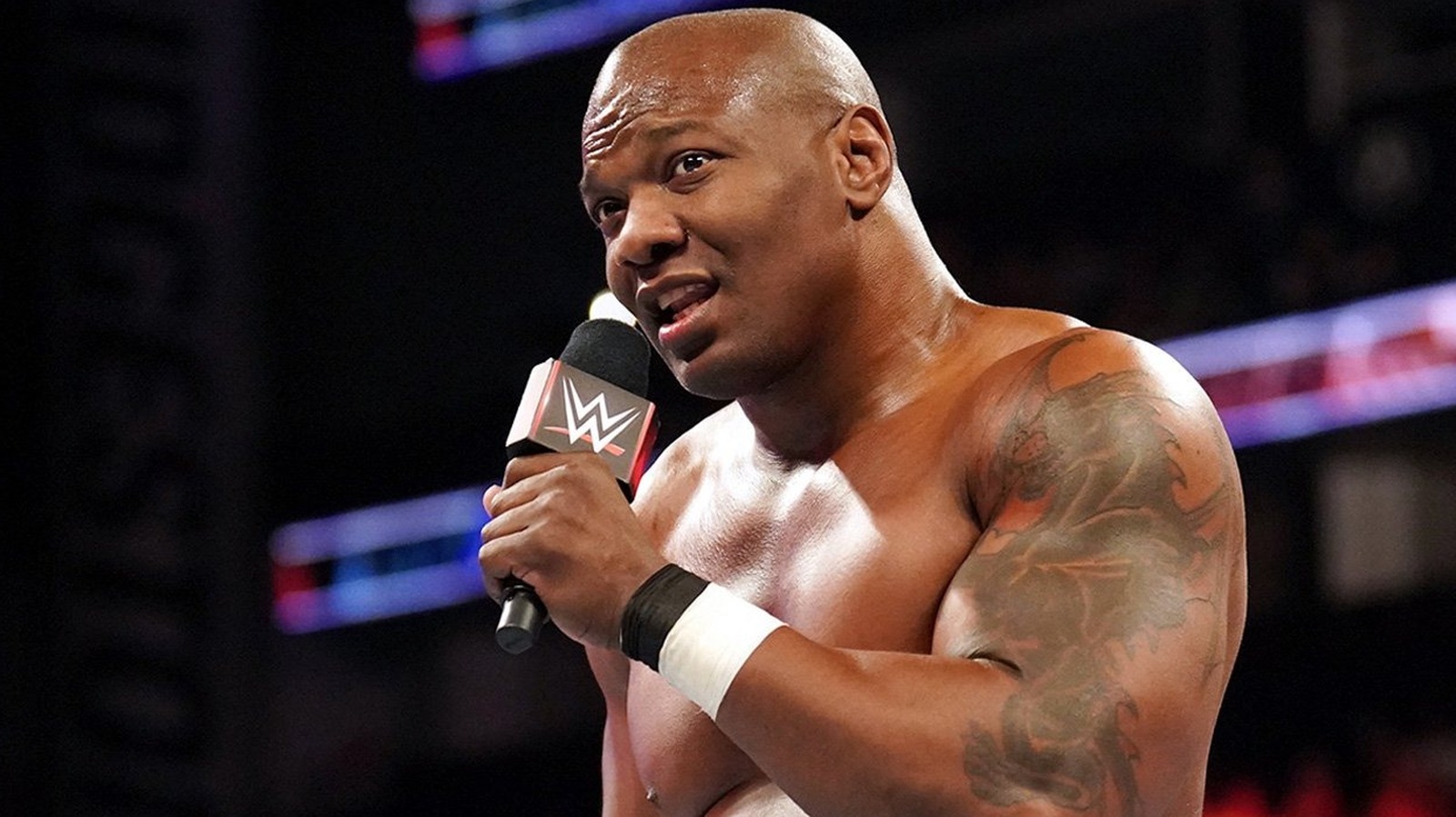
In 2003, his rookie year on the main roster, Shelton Benjamin worked roughly 136 matches. The vast majority of these were completely untelevised.
They occurred on the mid-market house show loop, in towns like Tupelo, Binghamton, and Pensacola. Benjamin, fresh out of developmental, was paired with Charlie Haas as Team Angle. Their most frequent opponents on that loop were Los Guerreros—Eddie and Chavo.
The Statistical Value of Untelevised Time
The modern professional wrestling schedule has optimized away the very mechanism that built Benjamin's foundational skills. To understand why Guerrero was so critical to Benjamin's development, you have to look at the time discrepancy between television and live events.
A standard televised tag team match in 2003 averaged around six to eight minutes of actual in-ring action. It was heavily structured around commercial breaks, rigid television formatting, and producer cues. You do not learn pacing on live television; you just execute the script.
The live event equivalent was an entirely different data set. Untelevised tag team matches on the SmackDown loop routinely pushed past 15 minutes. There were no commercial breaks to hide behind. If the crowd died, you had to manually figure out how to revive them.
In a traditional tag match structure, the heels dictate the pace. Eddie Guerrero, as the veteran heel, was essentially orchestrating Benjamin's developmental reps in real time. Night after night, four days a week, Guerrero called the spots, managed the crowd heat, and forced the rookie to adjust to his rhythm.
When you run the math, the volume is staggering. If Benjamin worked 136 matches in 2003 at an estimated average of 12 minutes per match, he logged over 27 hours of actual in-ring performance time that year alone. The repetition was the point. You try a spot on Friday in Dayton. It fails. Guerrero tells you why in the locker room. You fix it on Saturday in Toledo. It works.
The Anomaly of Their Televised Record
There is a surprising statistical quirk hidden in the Benjamin and Guerrero dynamic. If you query their interactions on televised programming, the results are remarkably thin.
Despite their deep association on the SmackDown brand during a critical creative peak—and the friendship Benjamin highlighted—there is a near-total absence of televised singles bouts between the two. Their entire working relationship was built within the structure of tag team wrestling and multi-man matches.
Historically, they wrestled each other for the WWE Tag Team Championships multiple times, culminating in the triple threat tag match at WrestleMania XIX. But stripped of the tag team context, they almost never touched one-on-one on camera. The bond was forged entirely in the dark data of untelevised repetitions.
It was an apprenticeship disguised as a midcard booking loop.
The Modern Contrast and a Broken Pipeline
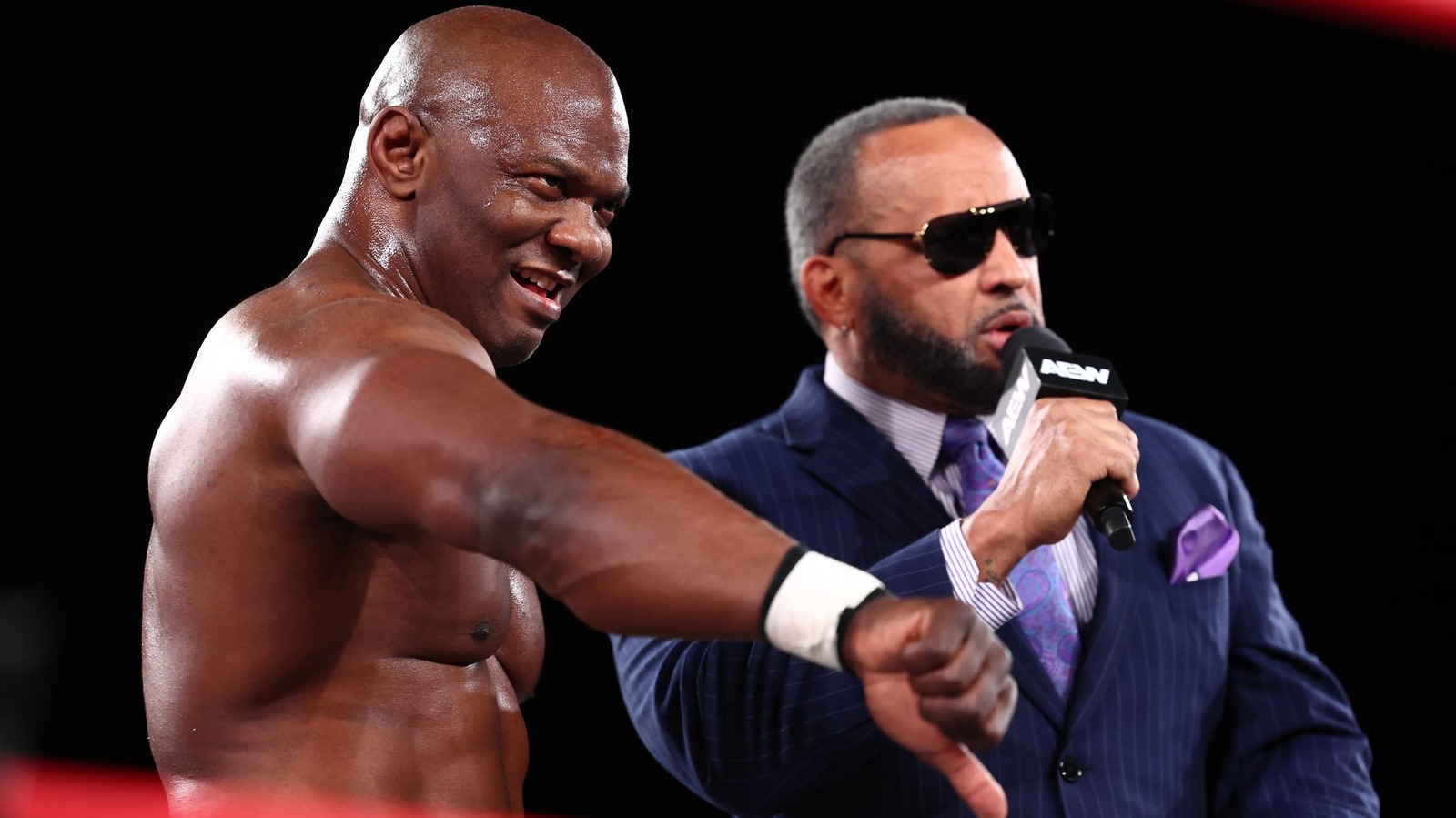
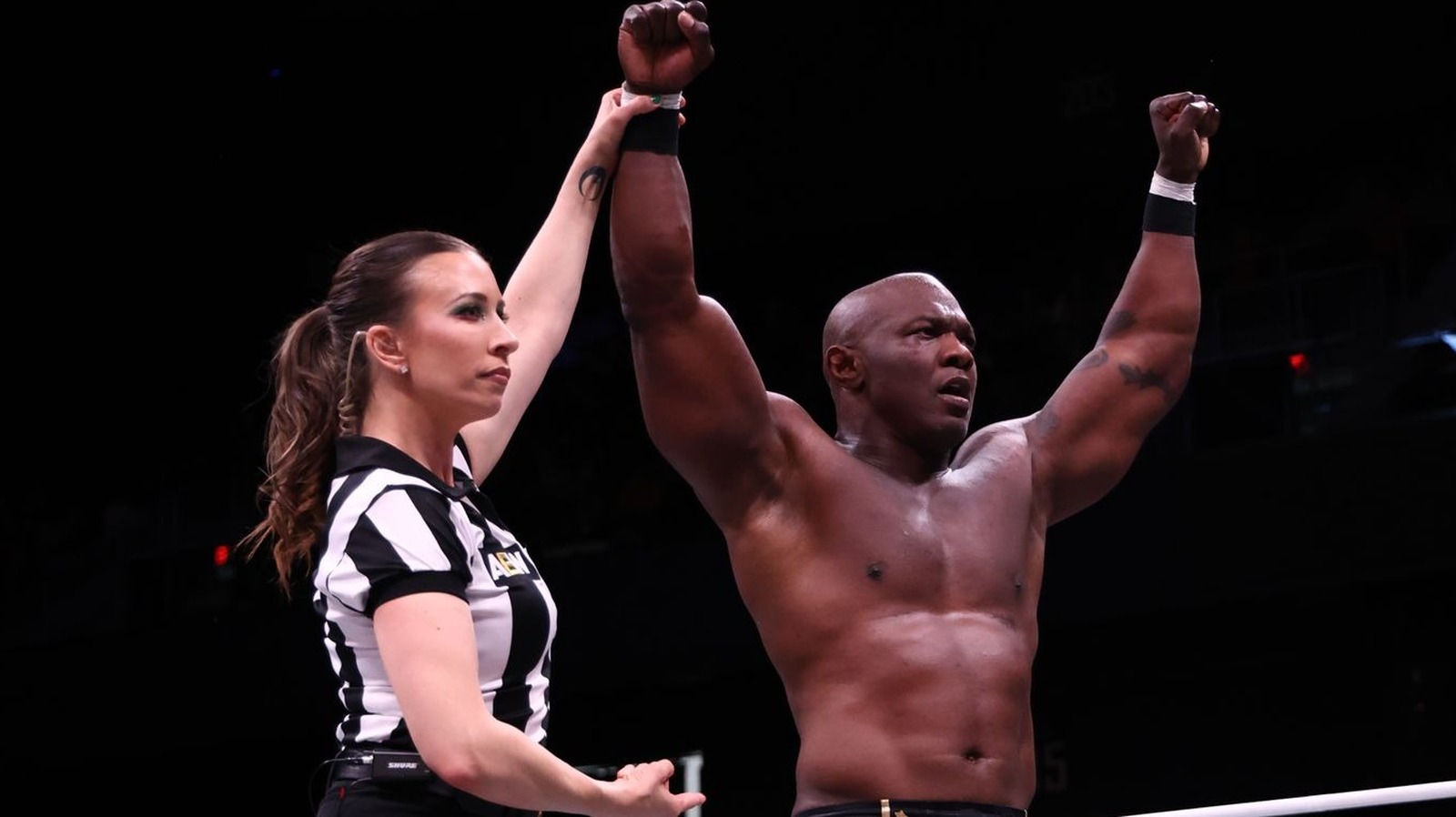
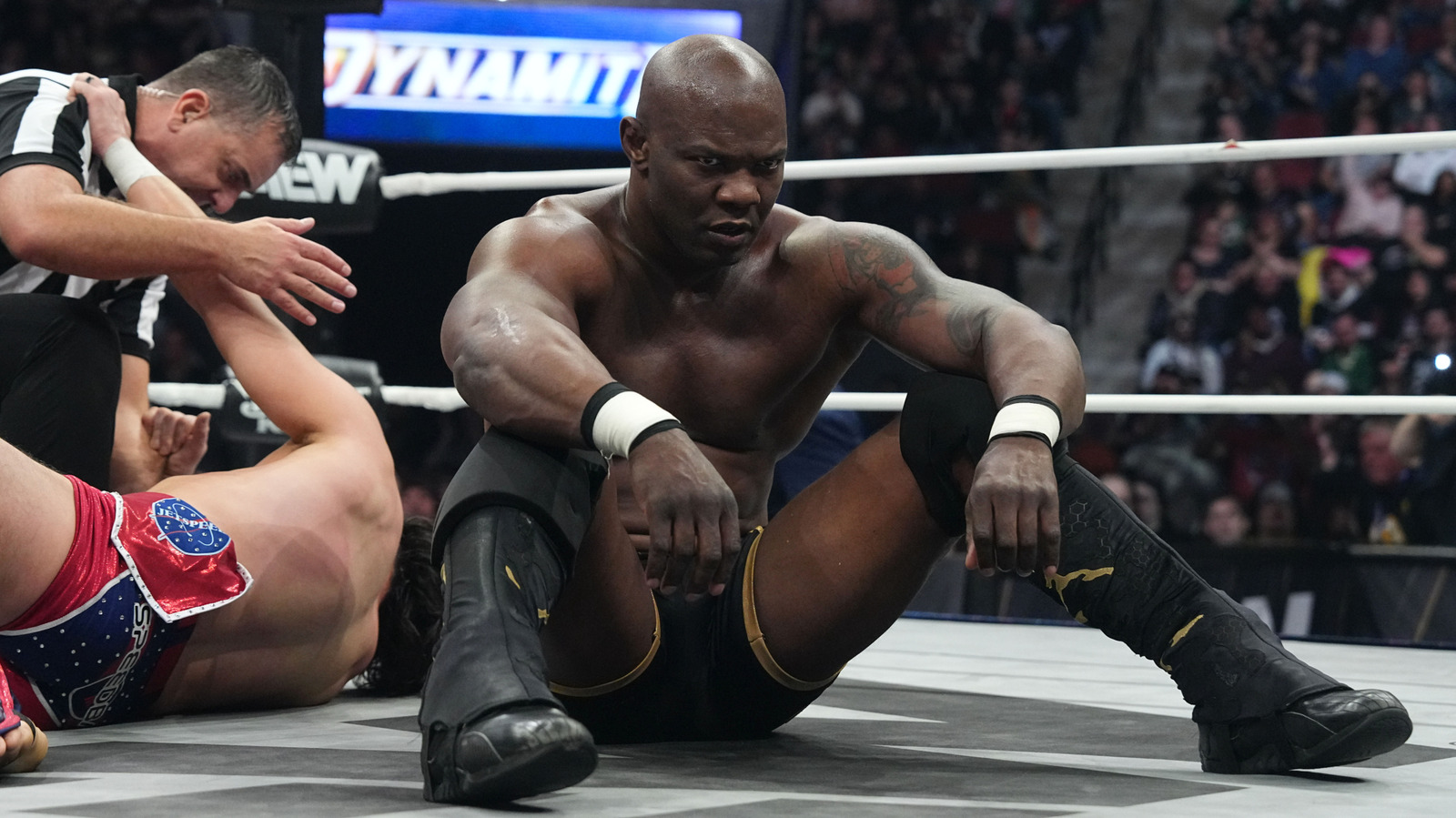
Shelton Benjamin is now a veteran presence in AEW. He is in the Guerrero role, physically and generationally. But the system he operates within has fundamentally changed, and the data shows a severe developmental bottleneck.
AEW's schedule is undeniably better for the physical longevity of its roster. But from an educational standpoint, it is a catastrophic regression. Young wrestlers in AEW do not have the luxury of working an untelevised match against a master four nights a week in secondary markets. They are expected to learn on national television, where mistakes are clipped, immortalised on social media, and permanently attached to their perceived value.
The numbers highlight the deficit. A regular television talent in AEW today might work 45 matches in a calendar year. If those matches average eight minutes, that equates to roughly six hours of in-ring performance time annually.
Compare that to Benjamin's 27 hours in 2003. Modern rookies are getting less than 25 percent of the flight hours that previous generations received. They plateau faster because their total in-ring time per year is a fraction of what Benjamin experienced working against Guerrero.
You cannot hack experience. You cannot replace the physical repetition of a 15-minute tag match on a Sunday afternoon in a half-empty arena. The modern schedule has successfully protected the bodies of the talent, but it has completely severed the transmission of in-ring knowledge.
The Yield of the 2003 Model
The results of the heavy SmackDown live event loop are permanently recorded in the history books. In early 2004, Benjamin was drafted to Raw.
He was immediately separated from his tag team partner and thrown into a high-profile singles program with Triple H. Benjamin scored multiple pinfall victories over the top star of the brand and seamlessly transitioned into a lengthy Intercontinental Championship reign.
That immediate success did not happen by accident. The baseline was built in 2003. The composure, the timing, and the ability to work a main event style were installed over dozens of untelevised iterations against Eddie Guerrero.
When Benjamin reflects on those live events today, he isn't just reminiscing about a road trip. He is referencing a defunct educational model. The industry moved on to lighter schedules and heavier television demands, leaving the sheer statistical volume of the 2003 house show loop firmly in the past.