Quantico, context, and the Strickland connection
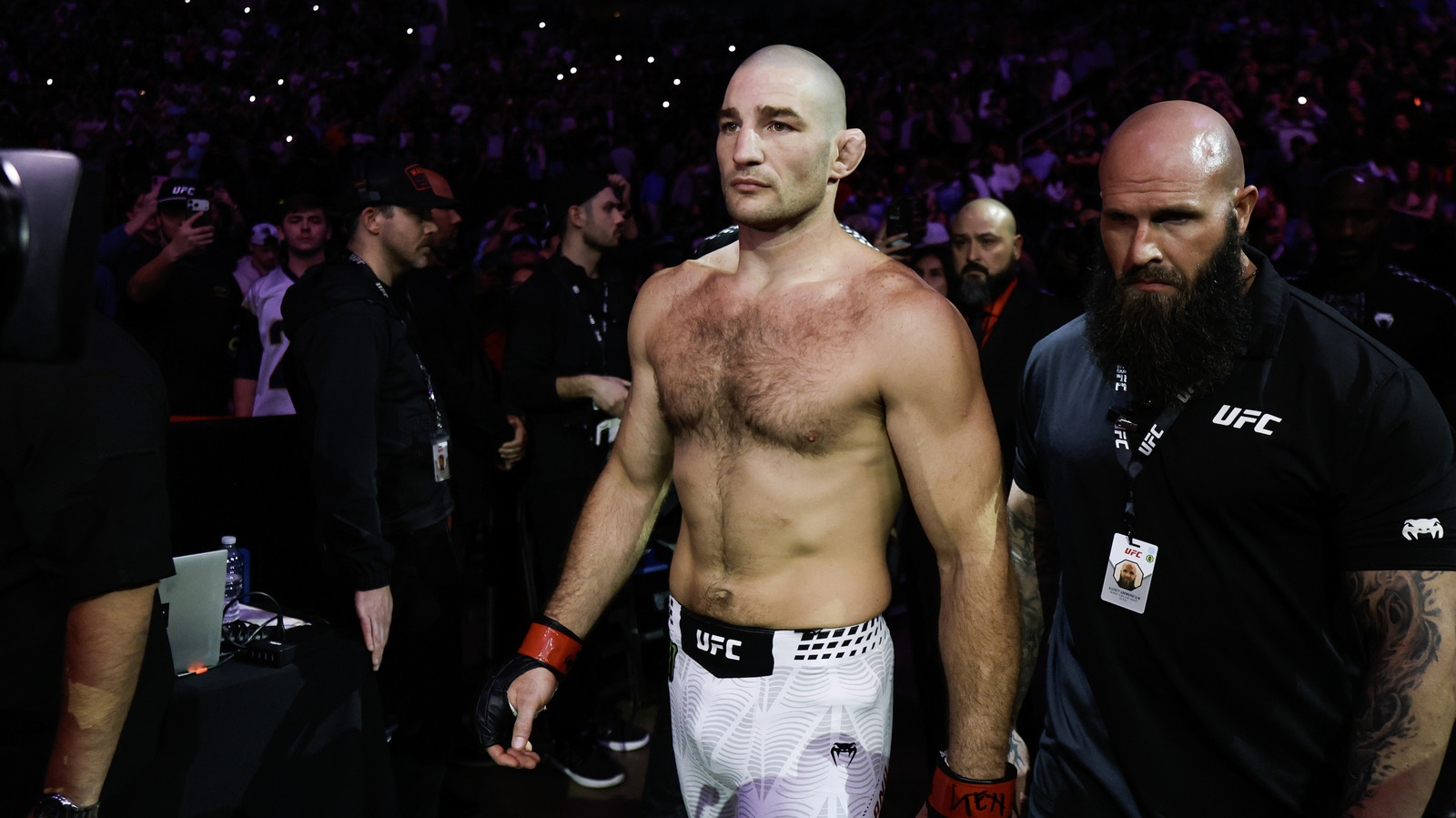
Sean Strickland remains a statistical anomaly in the welterweight division. He enters his professional engagements maintaining an active, high-volume jab-heavy strategy that yields high significance in strike differential metrics. His recent public grievance regarding his exclusion from the UFC-FBI training seminar at Quantico, as reported by Wrestling Inc, suggests a widening gap between the promotion’s administrative branding efforts and its most vocal roster members.
Strickland’s style relies on volume. Across his recent five-round headliners, he averages over 6.0 significant strikes landed per minute. This output demands immense cardiovascular endurance and a rigid adherence to a disciplined, forward-pressing game plan. While other fighters utilize heavy takedown attempts to drain energy, Strickland forces opponents into high-intensity striking exchanges, keeping the action center-circle.
The cost of high-volume engagement
The Quantico training session aimed to bridge the gap between combat sports athletes and federal law enforcement agencies. These integration programs typically focus on tactical defensive maneuvers and restraint techniques. Strickland’s rejection of the standard PR script creates friction, particularly when his own professional metrics focus almost exclusively on forward-striking efficiency rather than the defensive grappling paradigms preferred by institutions like the FBI.
Data from his last three championship-level bouts reveals an defensive strike accuracy against him of 38%. This defensive solidity, paired with his tendency to invite pressure, makes him uniquely effective in five-round contests. However, his volatility outside of the cage creates a conflict with the corporate image the UFC prioritizes in government outreach programs.
Why the snub creates analytical friction
Strickland’s public inquiry—specifically whether his commentary on sensitive public records influenced the decision—highlights the professional risks inherent in fighter branding. In the modern era, organizational stability is built on carefully managed associations. When a fighter with a high social media reach and a 30-win career record questions federal invitations, it creates an unfavorable narrative for the promotion.
There is also a functional question: do these seminars actually translate to better cage performance? There is no data supporting the idea that FBI tactical training improves striking volume or head movement. Historically, elite-level grappling and specific camp training remain the only verified predictors of fight success metrics in the welterweight rank.
Ultimately, Strickland’s absence from Quantico is professional sports theater rather than a technical failing. His value is tied strictly to his 3.56 strike differential—not his relationship with federal agencies. The promotion’s choice to leave him off the invite list implies a strategy of risk management. Managing the volatility of a fighter who lands 5.8 strikes per minute while aggressively challenging authority figures is a persistent hurdle for the company's public relations team.
We can expect this tension to continue through the upcoming Q2 schedule, as fighters oscillate between the desire for mainstream legitimacy and the reality of the fight game's internal economics. Strickland’s record will likely remain the primary focus for evaluators, but his inability to align with corporate optics limits his involvement in ancillary promotional events.