The Fletcher Vacuum: AEW's Workhorse Hits the Shelf
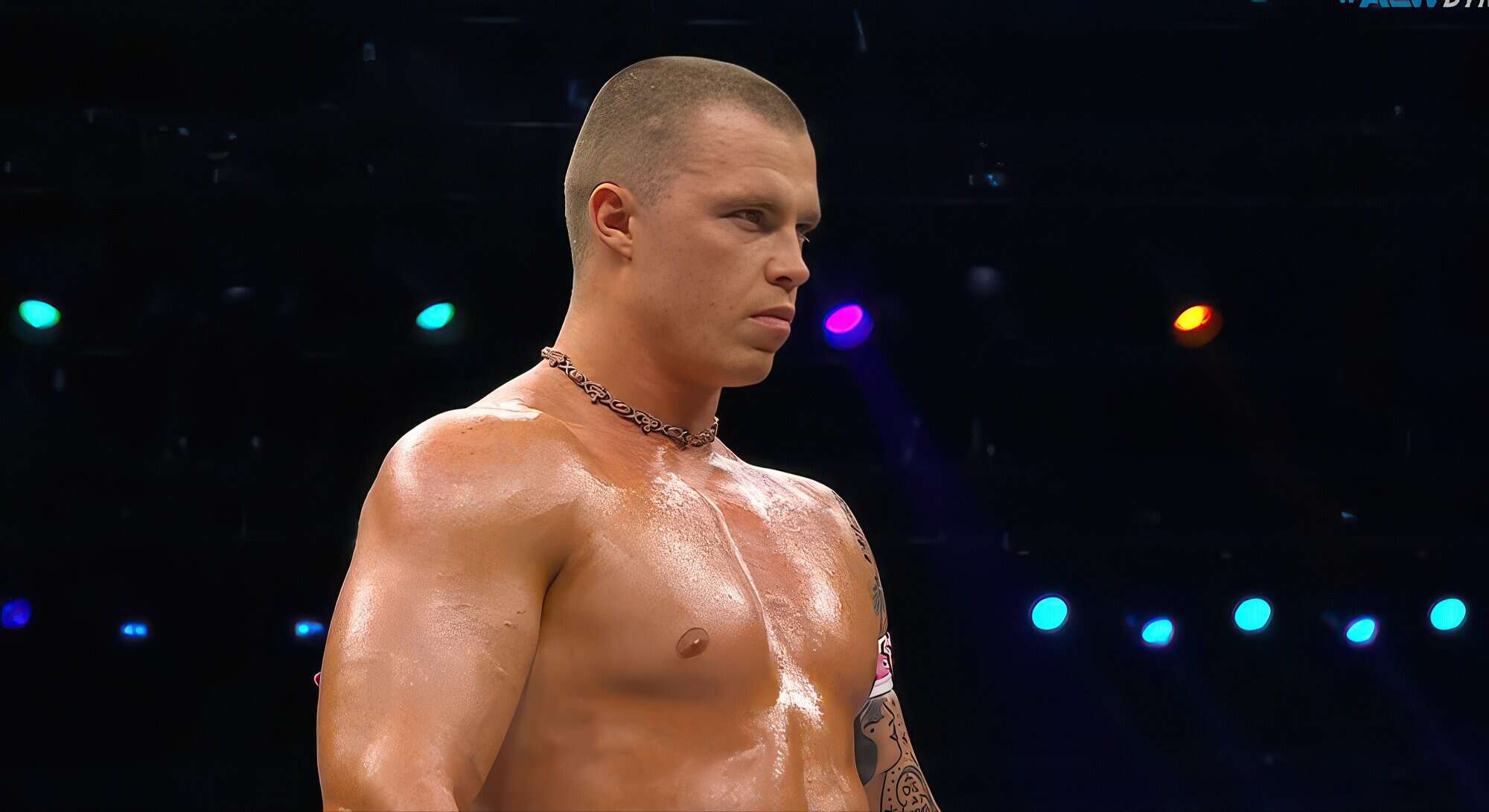
The high-octane pace of the Don Callis Family has finally claimed its most active member. Reports surfaced today that AEW TNT Champion Kyle Fletcher is expected to miss a massive chunk of the 2026 calendar due to what is being described as a serious injury. This isn't just a minor tweak or a precautionary week off. We are looking at an extended absence for the man who has spent the last six months redefining the TNT title as the most defended prize in the company.
Fletcher has been the engine room of AEW's mid-card. Since winning the title, he has been wrestling a style that most veterans would call suicidal. He doesn't just work matches; he punishes his body with high-angle suplexes and floor-bound dives that make every Wednesday feel like a pay-per-view main event. While initial reports from Wrestling Inc were light on the specific medical diagnosis, the phrasing of "significant time" usually points toward the six-to-nine-month window associated with ligament tears or major joint reconstruction.
This is a devastating blow for Tony Khan's booking strategy heading into the summer. Fletcher was the bridge between the veteran stars and the rising generation of international talent. His presence in the Don Callis Family provided a credible, athletic anchor for a group that often leans too heavily on managerial interference. Without Fletcher, the TNT title enters another period of uncertainty, a belt that has struggled for a consistent identity since the days of Cody Rhodes' open challenges.
The Medical Toll of the Modern Style
We have to look at the historical context of Fletcher's run. He is 27 years old, at the peak of his physical powers, yet he is already facing the kind of structural failure that used to be reserved for 20-year veterans. The AEW style demands a level of impact that the human frame isn't built to sustain weekly. When you are doing 450 splashes to the outside and taking apron powerbombs in the middle of a random Dynamite, the bill eventually comes due. The billing department just sent Fletcher a notice he can't ignore.
Is AEW at fault for the injury rate? It is a fair question to ask. The company has a reputation for letting its athletes go "all out" in every segment, often without the cooling-off periods seen in other major promotions. Fletcher’s injury follows a pattern of champions like Adam Cole and Kenny Omega being sidelined during the peak of their creative momentum. If Fletcher is out for 200 days or more, the TNT division loses its most reliable performer just as the company tries to stabilize its television ratings.
Joshua Van and the Flyweight Curse
Across the TKO corporate hall, the UFC is facing its own championship crisis. Flyweight king Joshua Van has been forced out of his scheduled defense at UFC 327. For a division that has spent years fighting for mainstream respect, this postponement is a momentum killer. The Flyweight division finally felt like it had a stable, exciting face in Van, but his recent injury has pushed the defense into the late summer or autumn.
UFC 327 was supposed to be a showcase for the lighter weights, proving they could carry a card without a heavyweight anchor. Now, the matchmakers are scrambling. The Flyweight division has a long history of these kinds of interruptions. From the days of Demetrious Johnson to the revolving door of the Moreno-Figueiredo era, the 125-pound class seems destined to suffer from a lack of continuity. When your champion is on the shelf, the rest of the contenders start looking for money fights or move up to Bantamweight, thinning out an already fragile talent pool.
TKO's Strategic Logistics Nightmare
The timing could not be worse for TKO Group Holdings. The company recently announced a massive expansion for its International Fight Week, aiming to bundle UFC 329 with a series of multi-promotion events. This is the new corporate reality: merging the worlds of MMA and pro wrestling into a single, massive revenue machine. When a champion like Joshua Van drops off a major card, it doesn't just hurt the UFC gate; it affects the entire marketing spend for the week.
TKO is trying to build a weekend that rivals the Super Bowl in terms of fan engagement and sponsor integration. They want fans to see the UFC Hall of Fame ceremony, attend a high-level MMA event, and then see a WWE premium live event. Injuries are the one variable that the corporate suits can't control with a spreadsheet. Van's absence creates a hole in the UFC 327 programming that might force TKO to pull a name from the wrestling side just to keep the local interest high.
The Critical Lens: Management's Failure to Protect Assets
There is a recurring theme here that needs to be addressed: the failure of management to protect their most valuable assets from themselves. Kyle Fletcher is a young man who doesn't know how to say no to a dangerous spot. It is the job of the producers and the bookers to tell him that a suicide dive on a Tuesday night isn't worth a torn ACL. Instead, AEW often rewards this behavior with more television time, creating a feedback loop that leads directly to the operating table.
The same applies to the UFC's training culture. While we don't know the specifics of Van's injury, the trend of champions getting hurt in the final 14 days of a camp is an indictment of the "hard sparring" culture that still dominates many elite gyms. TKO pays these athletes to perform, not to leave their best rounds on the mats in Las Vegas or Coconut Creek. If the Flyweight division continues to see its champions sidelined, the UFC might eventually decide that the weight class isn't worth the headache of constant rescheduling.
For AEW, the path forward is clear but difficult. They will likely crown an interim TNT Champion, a move that fans have grown weary of over the last two years. The "interim" tag often feels like a participation trophy rather than a true championship. If Fletcher is truly out for a significant period, they should have the courage to strip the title and hold a tournament that means something. Don't let the division tread water while a champion sits at home for 8 months recovering from surgery.
Looking Ahead to the Recovery Timeline
Fletcher's recovery will be the story of the AEW summer. He has the youth and the medical access to bounce back, but he won't be the same wrestler if he has to lose the explosiveness that made him a star. We’ve seen this before with high-flyers who come back 10 pounds heavier and three steps slower. If Fletcher has to transition into a more grounded, technical style, it might actually save his career in the long run, even if it disappoints the fans who want to see him fly.
Joshua Van’s situation is more about timing than long-term physical decline. UFC 327 will survive, but the Flyweight division is back in the shadows. The TKO era was supposed to bring more professional structure to these schedules, but as the old saying goes, everyone has a plan until they hear a pop in their knee during a morning run. The fans in Las Vegas for International Fight Week will still get their spectacle, but it will be missing one of the most exciting young fighters in the world.
Ultimately, these injuries are a stark reminder that the human body hasn't evolved as fast as the sports it participates in. Whether it's the squared circle or the Octagon, the athletes are pushing the limits of physics every time they step out. We are currently seeing the breaking point. Until the culture of "more is more" changes in both AEW and the UFC, we will continue to see these emergency injury reports every time the calendar turns to a new month.