Measuring the gap since the last bell
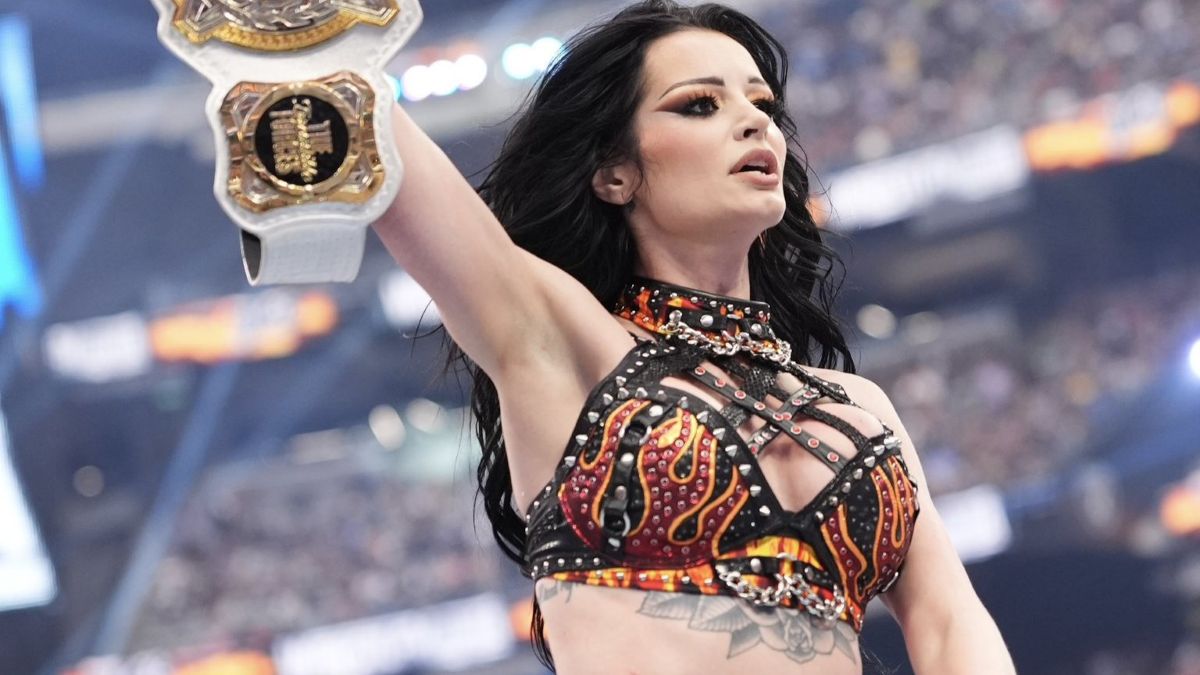
The statistical reality of professional wrestling suggests that extended layoffs rarely end in meaningful, long-term athletic returns. When Paige returned to WWE at WrestleMania, the fanbase reacted with a fervor rarely seen for non-wrestling roles. However, recent comments from the performer clarify that this return is defined by a hard cap on physical activity.
We are looking at a performer whose active tenure was effectively severed by a neck injury occurring in December 2017. That hiatus spans over 8 years of professional growth and changes in the industry, yet the medical threshold for her safety remains precisely where it was during the initial diagnosis. Relying on emotional history to predict a multi-year wrestling contract ignores the reality of cervical spinal instability in high-impact sports.
The math of the locker room role
In the modern corporate sports era, the value of a legacy name often transitions from active roster spot to broadcast or authority presence. By choosing to prioritize the enjoyment of her current time with the company rather than targeting a rigorous training block for a comeback, the performer is signaling a shift in career utility. This mirrors trends seen in other sports where aging stars opt for front-office positioning over diminishing returns on the field.
Consider the production costs associated with a full-time return against the engagement metrics of a featured on-air personality. A single appearance can drive millions of views on streaming platforms without the insurance premiums and injury risk associated with a 15-minute match. The incentives for promotion—specifically as reported by WrestleTalk—favor leveraging brand recognition rather than risking a permanent physical decline.
Why the math doesn't favor a return
The sentiment is clear: for this particular return, the internal goals do not include bumping. While fans often demand the spectacle of a surprise match, the risk-reward ratio is lopsided; a failed return could jeopardize current health status for a momentary pop. The decision reflects a mature understanding of physical longevity, effectively closing the book on the high-risk, high-reward era of her career.
Successful transitions in this industry are rarely about who can hit the biggest move at the age of 40. They are about who can sustain relevance while minimizing the toll on their body. By acknowledging that she does not envision a future as an active wrestler, the performer protects her legacy from the inevitable slide that occurs when athletes push past their biological window of capability.
Ultimately, this is a calculated pause rather than a setup for a final run. Keeping the boots on the shelf might frustrate the crowd, but it is the only move that keeps the performer's long-term quality of life above the 0.5 percent threshold of total paralysis risk that defined 2017. Sometimes, the most professional decision happens on the microphone, not in the ring.