The Raw fallout no one asked for
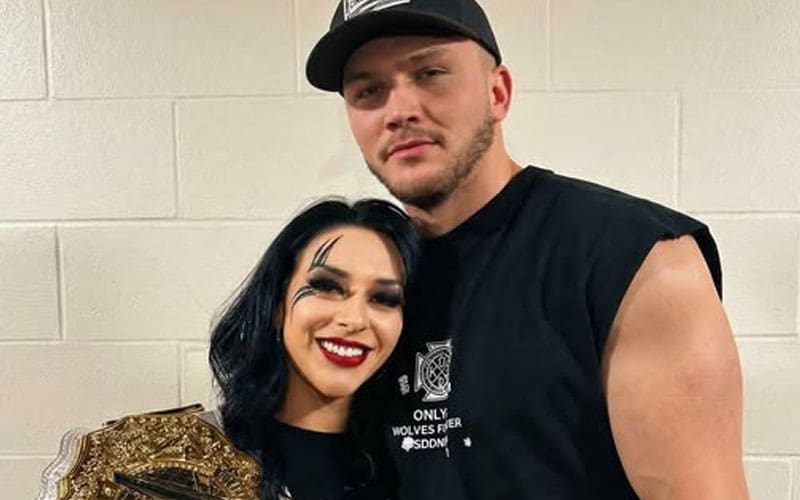
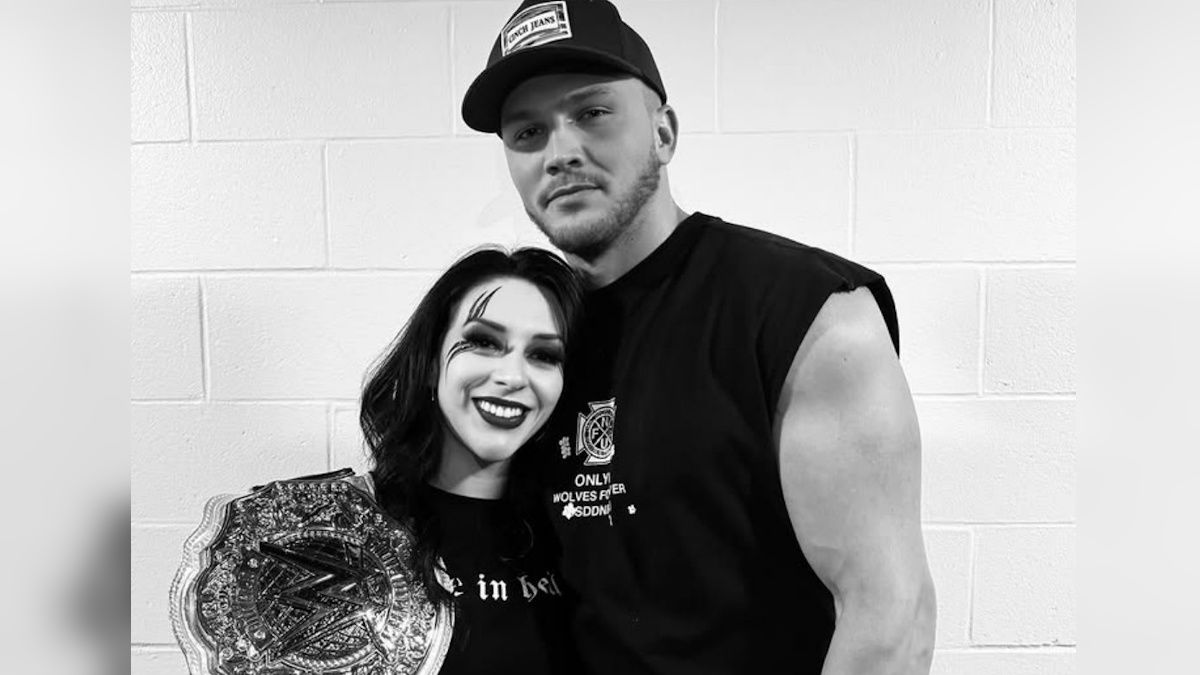
If you spent your Sunday morning doom-scrolling through the absolute dumpster fire that is wrestling Twitter, you already know the vibe. News dropped that Stephanie Vaquer and Myles Borne had to address a bizarre, uncomfortable encounter with a supposed fan following last night's episode of Raw. It is essentially the wrestling equivalent of that guy at the pub who thinks he is best friends with the bouncer because he tips five bucks.
The details, as far as we have to acknowledge them, are exactly what you fear when you see a wrestler quote-tweeting a random account. Some stranger decided that the barrier between professional performer and personal life was merely a suggestion. It is the kind of entitlement that makes you want to throw your pint at the wall.
The community reaction: A masterclass in tribalism
Naturally, the internet did what the internet does best: it fractured into three distinct camps. You have the defenders, who are rightfully shouting that these athletes are human beings and not NPCs in a game waiting for your input. These folks are the backbone of the fandom, pointing out that no matter how much you pay for a ticket, you do not own the talent.
Then, you have the contrarians, those brave souls hidden behind anime avatars who insist that this is just the price of fame. "If you want the paycheck, you deal with the fans," they argue, ignoring the massive gap between autograph seekers and someone invading your personal space. It is a nauseating take, but unfortunately one that persists in every comment section from here to the Tokyo Dome.
Lastly, we have the skeptics who are just exhausted by the cycle. They argue that management needs to beef up security, suggesting that seeing Stephanie Vaquer and Myles Borne forced to deal with this publicly is a sign that the current system is failing. They want to talk about WrestleMania 41, not the logistical failings of venue safety protocols.
The reality check we need
Here is where I plant my flag in the dirt: the people apologizing for this behavior are the problem. We treat wrestlers like gladiators and then act shocked when someone forgets that they are real people with nerves and boundaries. Whether it is a fan incident after Raw or a random harassment case at a local indie show, the solution is never to debate the victim's reaction. It is to acknowledge that the person holding the ticket needs to act like an adult.
My take? The company is actually handling this well by backing their talent immediately rather than burying it under a rug. It is a refreshing change from the days where wrestlers were told to keep their mouths shut to avoid negative PR. If people want to keep getting selfies, they need to learn that a handshake is enough. If you can't behave, stay at home and watch via a screen.
The irony is that we are weeks away from the biggest spectacle in the business, and yet we are stuck dissecting the behavior of people who clearly do not understand the sport. I would much rather be writing about the projected match card or who is actually main-eventing, but here we are. It is genuinely disappointing that we have to discuss basic human decency instead of high-flying spots and championship stakes.
The community needs to be better, or we are going to see more of these barriers go up. Nobody wants to go back to the days where the wrestlers are essentially caged away from the crowd, but if this is how the fans act, nobody can blame them for wanting the distance. It is time to treat the locker room like professionals, not public property. Let them work their matches, give their performances, and leave the building without being stalked or cornered.
The argument for better security is the clear winner here. If the organization wants to maintain the, shall we say, premium experience they sell, they need to ensure the talent is safe. You cannot sell a dream if the people living it are constantly on edge because some fan decided to cross a line. Keep the energy in the ring and leave the personal boundaries where they belong: outside of the building entirely.