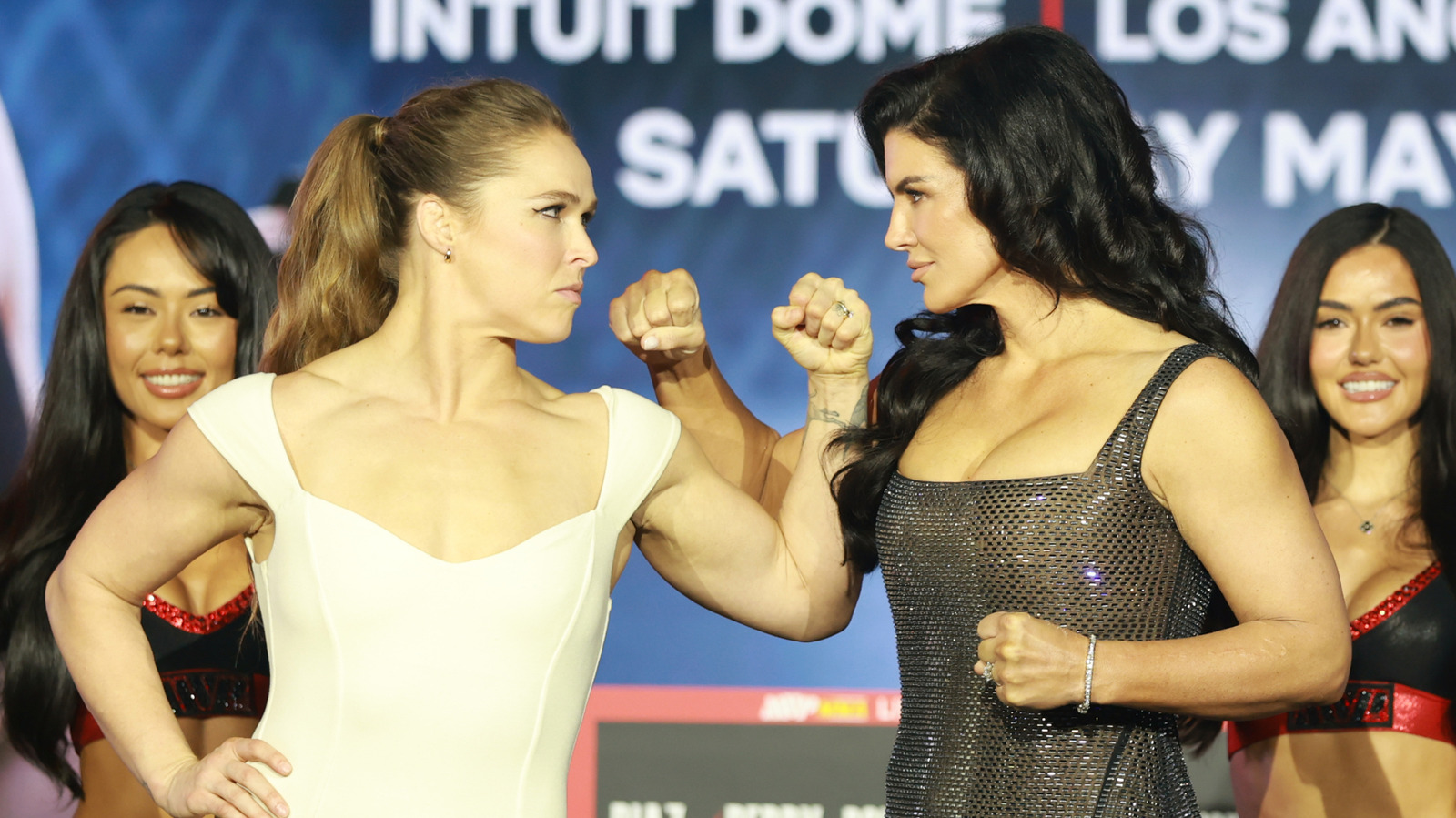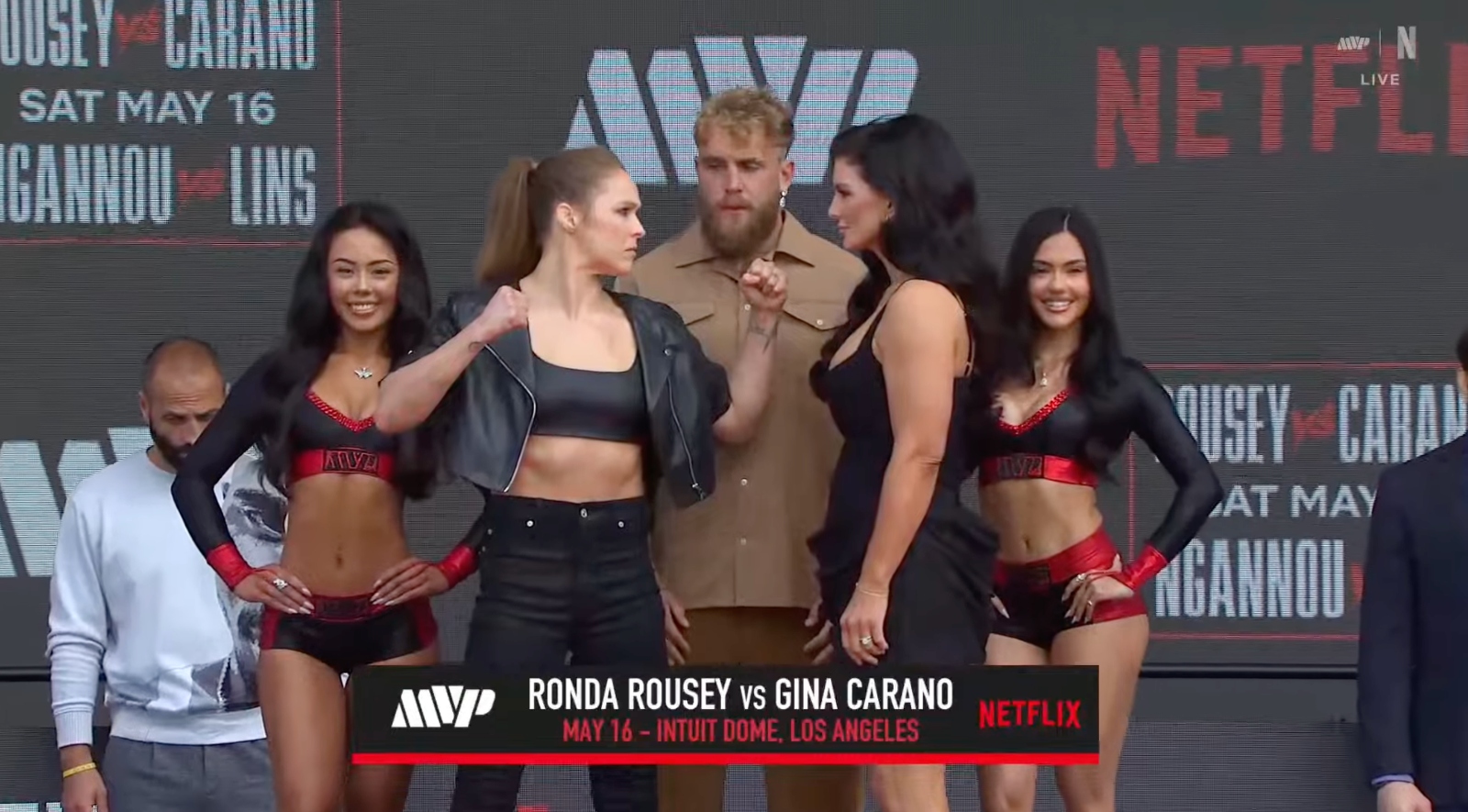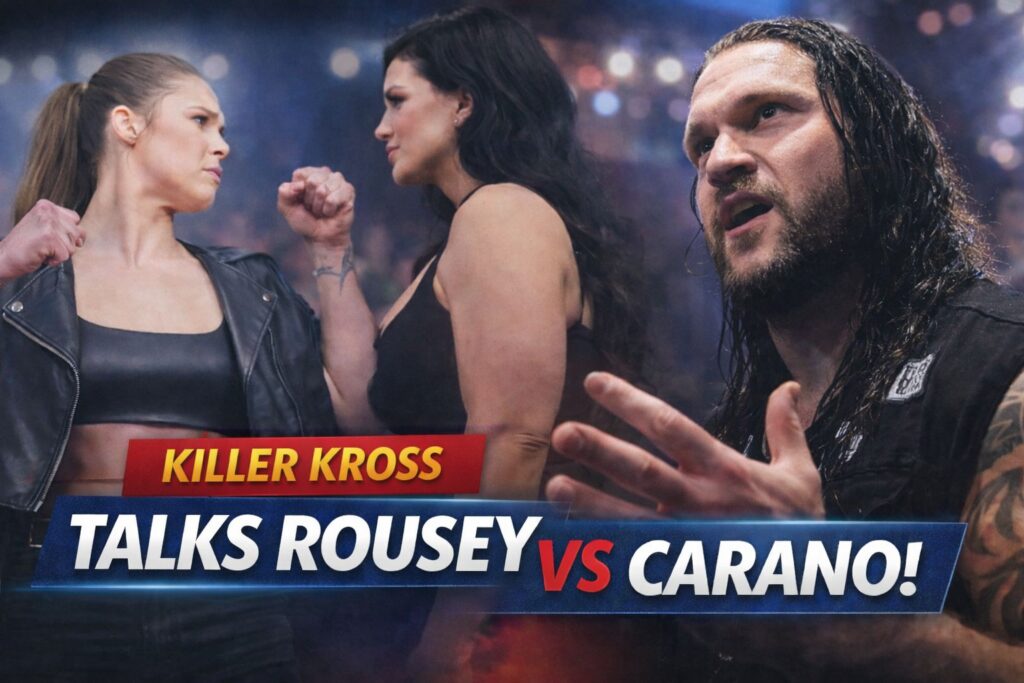
The status of Ronda Rousey
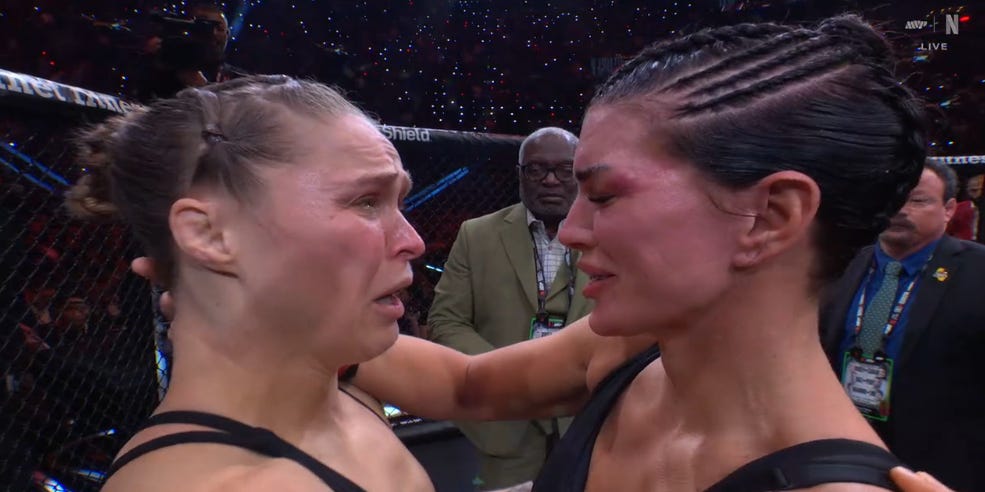
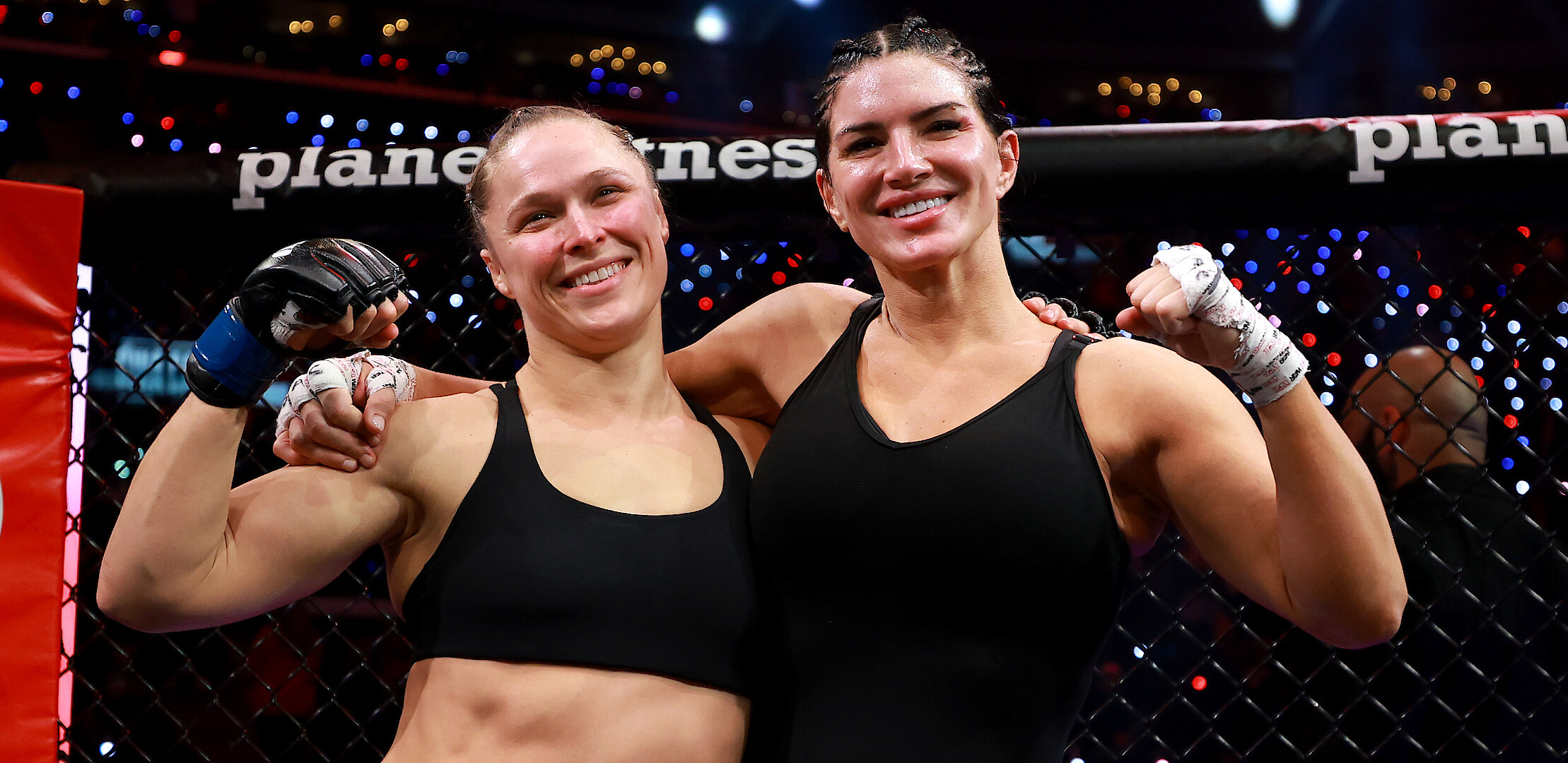
Following her rapid submission victory over Gina Carano this past Saturday, speculation regarding Ronda Rousey's physical health and competitive future has reached a fever pitch. Despite the decisive finish, reports emerging from the PWInsider reporting team indicate that Rousey has definitively closed the door on a sustained MMA career. The victory lasted mere moments, leaving many observers questioning the necessity of the spectacle.
While some fans and industry pundits queried whether injuries sustained during the brief exchange might impact future appearances, no official medical report has been released by the fight commission. Rousey herself offered a blunt assessment of her mental and professional state, confirming to media members that she is finished with combat sports. The narrative is shifting from potential injury concerns to the validity of the event itself.
The fallout of the Netflix showcase
The fight was widely billed as the first major MMA event broadcast via Netflix, but the reception was lukewarm. TKO executives distanced themselves from the matchup early on, labeling the pairing a stunt rather than a legitimate contribution to the sport. The lack of competitive friction during the fight served as the catalyst for widespread criticism from figures like Jim Cornette.
Shayna Baszler has been a lone voice of defense for her peer, pushing back against accusations that the fight was a scripted affair. As noted by WrestlingNews.co coverage, Baszler maintains that the intensity displayed during the training camp was genuine. Regardless of the technical legitimacy, the optics of such a fast finish have left a sour taste for many purists who expected a more grueling contest.
Strategic shifts and retirement plans
The strategic implications of this fight are negligible for the professional circuit. Rousey’s public comments confirming her move to Hawaii suggest a permanent withdrawal from public life rather than a temporary recovery period. With MVP Promotions being the primary entity touting the event's stature, the focus was clearly on the spectacle's reach rather than building a division around the participants.
Looking at the historical context, high-profile return fights for former stars have rarely resulted in competitive longevity. We saw similar trends in the late 2010s where marquee names returned for singular, high-payday appearances, only to vanish immediately after. The lack of a follow-up match or a callout post-fight confirms that this was an isolated event. Rousey walked away from the cage with 0 additional bouts planned for the foreseeable future and no documented medical setbacks preventing her from leaving the sport on her own terms.
Critical breakdown of the event
Criticism of the fight is not merely based on speculation but on clear visual evidence of the bout's brevity. By failing to provide a marquee performance, the organizers missed a window to draw in casual fans who may have been turned off by the lack of back-and-forth action. The industry risk here is losing credibility on streaming platforms, as viewers are unlikely to tune in for a similar card if the marquee attraction is perceived as a hollow exhibition.
Rousey and Carano combined for 27 years of inactivity, and that disconnect was visible. The event relied entirely on legacy status, failing to account for the physical reality of combat training after a lengthy hiatus. Had this been structured as an exhibition tour or a controlled event, the scrutiny would likely have been lower. Instead, it was marketed as a high-stakes return, setting expectations that the match was never designed to meet in a meaningful way.