The slow death of the old guard
WWE is quietly gutting the remnants of its legacy production style, and nobody is paying enough attention to the specific names coming through the door. This week, Jim Rodriguez confirmed he’s joined the company as a Senior Associate Producer. If that name doesn't immediately jump out at you, his resume should.
Rodriguez is a former host and producer for the Bet MGM Network. He isn't a soap opera guy. He isn't a traditional live entertainment director who cut his teeth on late-night variety shows. His background is deeply rooted in modern sports presentation, sports betting, and the kind of rapid-fire, stat-heavy broadcasting that keeps viewers glued to their phones during a blowout NFL game.
According to Ringside News, Rodriguez will be involved with everything from Monday Night RAW to AAA. That broad mandate is telling. WWE isn't just bringing him in to run a localized studio show or manage pre-show panels. They are embedding a sports-betting broadcasting philosophy directly into the core product, fundamentally altering how we watch the matches.
The gambling integration strategy
To understand why this matters, you have to look at how betting networks produce content. It is entirely about stakes, probabilities, and presenting athletes as quantifiable assets. The storytelling isn't just focused on whether two guys hate each other. The narrative relies on data, historical precedent, and framing every matchup as a statistical clash.
For decades, WWE's production under Kevin Dunn was obsessed with the cinematic. Reaction shots, shaky cam, sudden zooms to emphasize impact. It was designed to mimic an action movie. Under Lee Fitting, we've seen a shift toward a more NFL Films style approach. More tracking shots, longer takes, cleaner cuts. The camera lingers on the emotion rather than forcing it through aggressive editing.
But the Rodriguez hire hints at the next phase: full gambling integration. We are about to see a massive increase in on-screen graphics, in-match statistics, and a presentation style that treats a wrestling match like a live UFC bout. I expect we will start seeing "tale of the tape" graphics that actually matter, real-time momentum meters framed as broadcast enhancements, and a heavy lean into predictive storytelling.
DraftKings and FanDuel are throwing billions at live sports. WWE wants a bigger piece of that pie. If they want to command top-tier sports rights fees and gambling sponsorships, they need to look like a top-tier sports broadcast.
The Roman Reigns scheduling puzzle
How does this tie into the Tribal Chief? Perfectly.
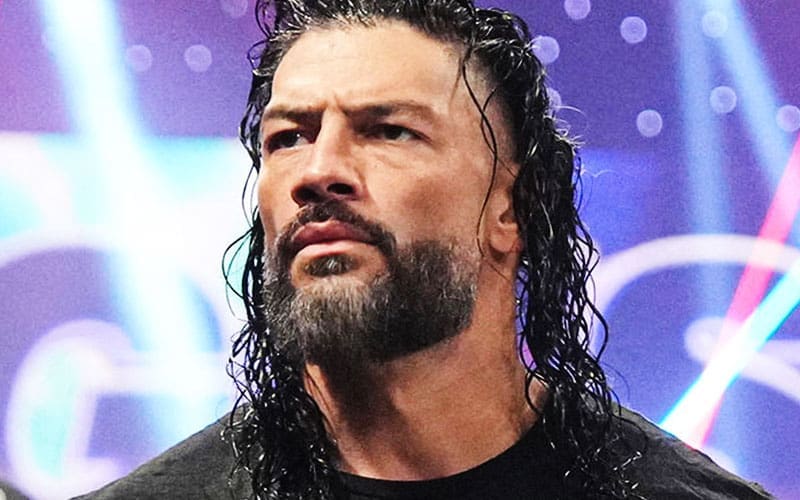
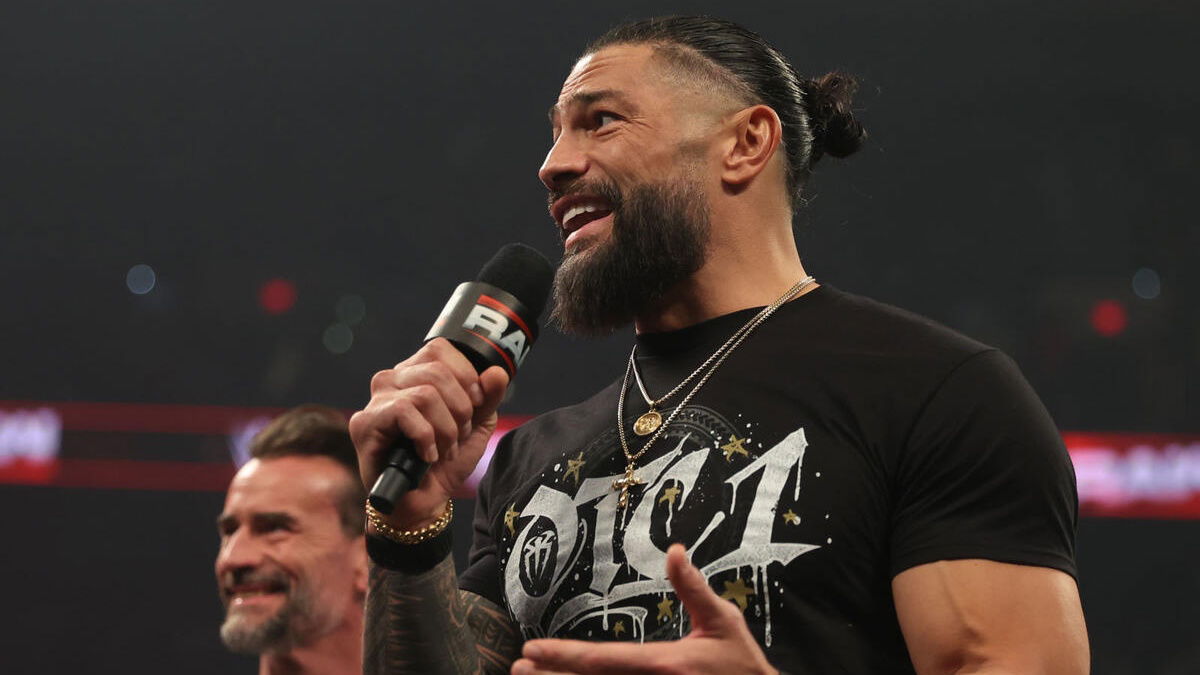
Roman Reigns’ schedule has been an absolute mess lately. As recently reported, he was pulled from several dates before being hastily added back to a new slate of appearances. This erratic booking is frustrating for ticket buyers, but it also creates a massive headache for the television production team.
When your biggest star is only available sporadically, you cannot rely on him to carry standard twenty-minute in-ring promos every week. You have to build his aura through video packages, remote interviews, and the way the commentary team talks about him when he isn't in the building.
This is exactly where a sports-centric production style shines. Think about how ESPN covers a heavyweight champion who only steps into the octagon twice a year. They don't need him cutting promos on live TV every Monday. They build anticipation through deep-dive documentaries, statistical analysis of his past fights, and high-end video packages that make him feel like an end boss.
By bringing in producers like Rodriguez, WWE is building a production system that can hype Reigns effectively even when he's sitting at home. They are going to use sports broadcast techniques to fill the gaps in his schedule, relying on highlight reels and analytical breakdowns to maintain his presence.
Backlash 2026: The testing ground
We won't have to wait long to see the early signs of this shift. WWE Backlash is just two days away on May 9. While a massive structural overhaul takes time, premium live events are where WWE tests new production concepts.
Watch the pre-show panel carefully this weekend. The traditional format of four talking heads shouting over each other is tired. I suspect we will see the first injections of the Bet MGM influence here. We will likely get segments that look less like a wrestling kickoff and more like an NFL Sunday countdown show, complete with "keys to the victory" graphics that actually attempt to sound legitimate.
The post-WrestleMania rematches on the Backlash card offer the perfect opportunity to use historical data. Instead of simply showing a replay of last month's finish, a sports-centric producer will break down the exact sequence of moves, treating a reversal like a tactical error in a chess match. It elevates the in-ring work by demanding the audience take the mechanics seriously.
The downside of the data approach
But let's be critical for a second. This shift isn't without significant risk. Wrestling is fundamentally an emotional medium, not a logical one.
When you start leaning too heavily into sports presentation and "data," you risk exposing the inherent absurdity of the product. If Michael Cole starts quoting win probabilities based on a wristlock, the audience is going to roll their eyes. There is a very fine line between making the product feel legitimate and making it feel like a parody of a real athletic competition.
We saw AEW try something similar early on with their ranking system. It sounded great on paper. It gave matches consequences. But it quickly became an albatross around the booking team's neck, forcing them into corners and highlighting inconsistencies when the rankings didn't match the desired storylines.
If WWE starts using Rodriguez's background to introduce heavy statistical elements, they have to maintain that continuity perfectly. Knowing WWE's notoriously short attention span, I have serious doubts about their ability to keep their own internal logic straight for more than a month. There is also the risk of sterilizing the broadcast. The messy, chaotic nature of wrestling is part of its charm. If every segment is polished to a high-gloss shine, we might lose the gritty, unpredictable feel that makes a live crowd erupt.
The Prediction: A visual overhaul by SummerSlam
Here is exactly how this plays out over the next few months.
I predict WWE will debut a completely overhauled visual presentation for their main event matches by late summer. We are going to see advanced graphics that highlight a wrestler's dominance in quantifiable ways. The days of simply flashing a nameplate and a Twitter handle are ending.
We will see lower-thirds detailing title defense metrics, average match lengths, and specific strike-landing percentages. We will see the broadcast team treating the arrival of Roman Reigns less like a theatrical reveal and more like a franchise quarterback stepping onto the field.
Furthermore, I predict we will see a dedicated, stat-heavy segment introduced on either RAW or SmackDown within the next three months. This will be a quick, heavily sponsored breakdown that treats the upcoming main event with the analytical rigor of a legitimate fight breakdown.
WWE is tired of being viewed as merely sports entertainment. They want the legitimacy, and the massive gambling revenue, of a real sport. Hiring a guy from Bet MGM isn't an accident or a simple staffing update. It is the blueprint for the next five years of WWE television.
Whether it actually makes the matches more compelling is debatable. But the Kevin Dunn era of reaction faces and jarring zooms is definitively dead. The era of the probability matrix has arrived.
Read Next
- WWE Backlash is the litmus test for the post-draft roster
- WWE Backlash faces a reality check this Sunday
- AEW is leaning on its old guard while WWE prepares for a new Bloodline chapter
- Jacob Fatu is done waiting for his moment against Roman Reigns
- 🏆 WrestleMania 41 — Full Coverage Hub
- 💥 WWE Backlash 2026 — Full Coverage Hub
- 👑 Roman Reigns Return 2026 — The Tribal Chief