Measuring the title-match saturation at Supercard of Honor
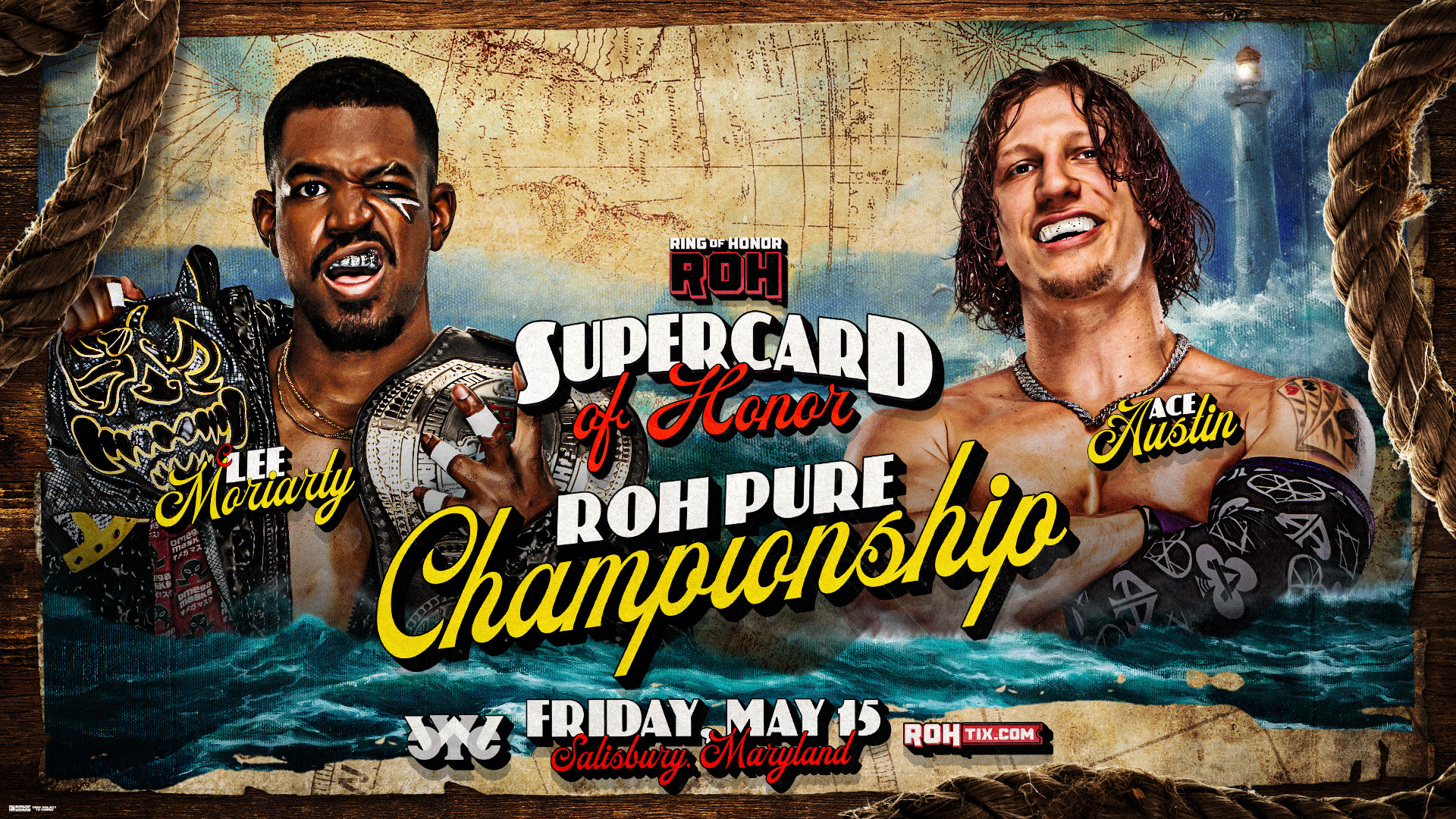
Ring of Honor just ran its Supercard of Honor event on May 15, 2026, and the math shows a stark departure from traditional independent wrestling booking. With a card stacked to include seven distinct championship bouts, the dilution of stakes is becoming impossible to ignore.
When a promotion hangs belts on nearly every contest, the distinction between a marquee main event and a standard undercard match collapses. The latest reporting indicates that the event featured a total of 14 separate bouts, meaning title matches accounted for exactly 50% of the entire broadcast duration.
The math on belt devaluation
Consider the logic of title contention. If half of your active roster is currently holding gold, the term 'contender' loses its mechanical function. In the current iteration of the ROH product, as analysts like those at F4WOnline have noted, the identity crisis facing the brand is centered on exactly this surplus.
The move to force three additional title bouts onto the card in the final 48 hours is a classic attempt to juice buy-rates through brute numbers. However, data suggests such strategies hit diminishing returns. Spreading the focus across 14 matches forces a pacing crunch that leaves the most significant rivalry arcs with less time for the bell-to-bell wrestling that historically defined the promotion.
Why excessive volume kills momentum
The results from May 15 reveal that individual match times are being compressed to accommodate the heavy championship load. During the Survival of the Fittest sequence, wrestlers were forced to operate in high-intensity sprints, leaving little room for the methodical work-rate that historically built the ROH brand equity.
The promotion is trading long-term prestige for short-term excitement. By the time the main event arrived, the audience was effectively being asked to invest in the seventh championship change or defense of the night. It is a grueling ask for a fanbase that is effectively saturated with gold.
The missed opportunity for narrative stakes
A promotion exists where the wrestling is the product, and in 2026, ROH is struggling to balance that with the demands of a subscription-based streaming model. Adding two specific title contests just days before a show is not a sign of a robust, creative pipeline. It is a sign of a booking team chasing an arbitrary engagement metric.
If the company persists with this volume of gold, the secondary titles will eventually register as glorified exhibition matches rather than hard-fought championships. The industry standard remains a lean, focused card where the title is the destination, not the baseline. Until ROH returns to that scarcity model, they are merely running a treadmill of content that is increasingly difficult to differentiate.