The Hall of Famer Returns to the Ring
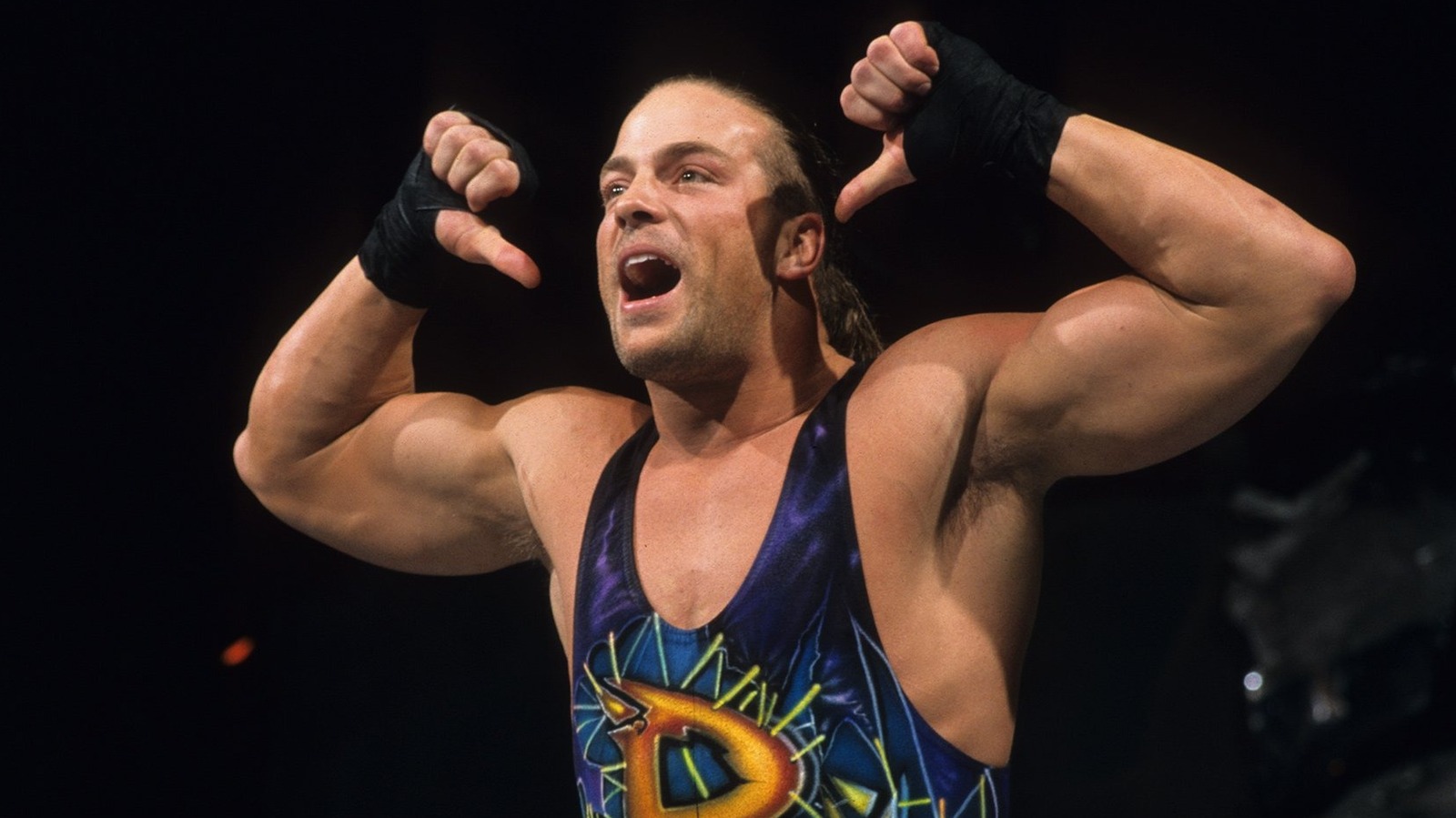
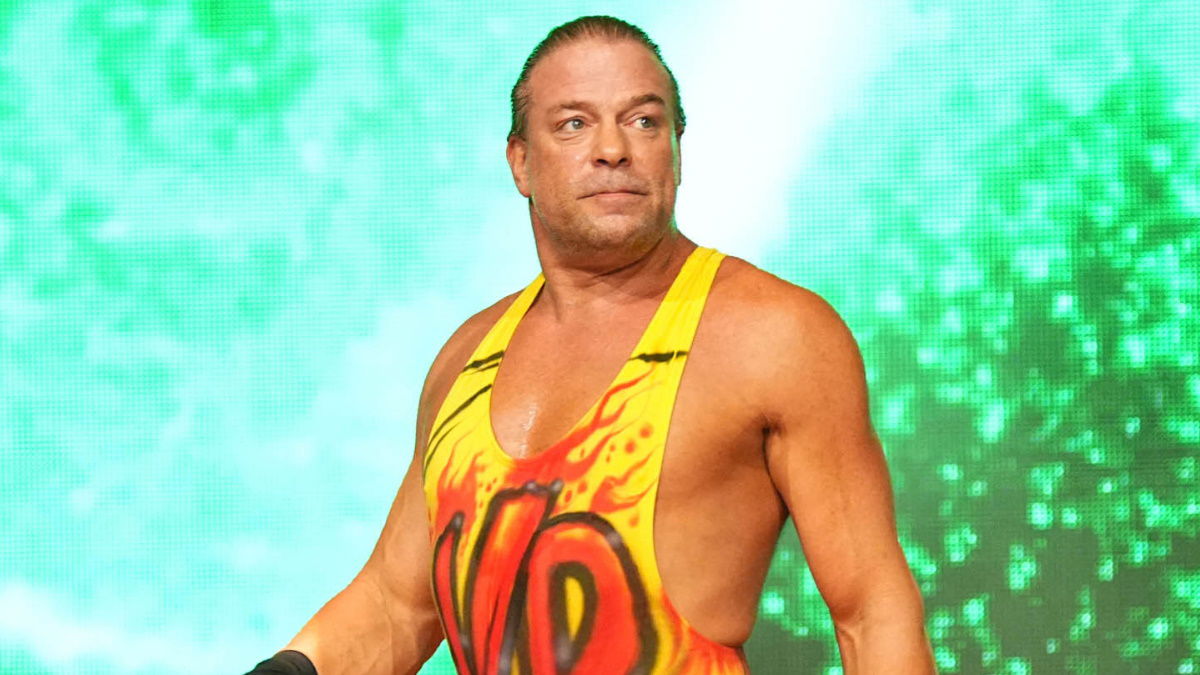
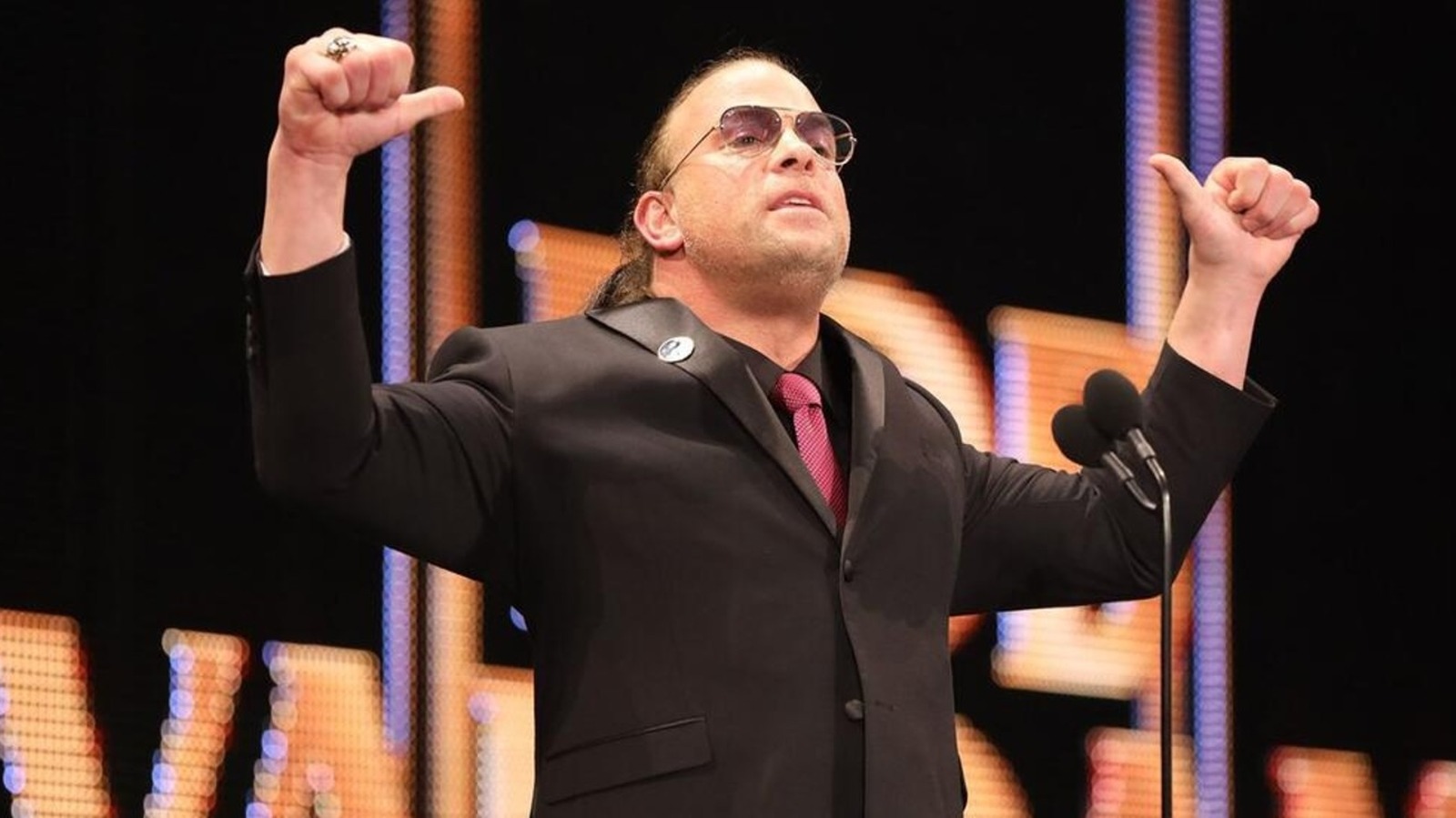
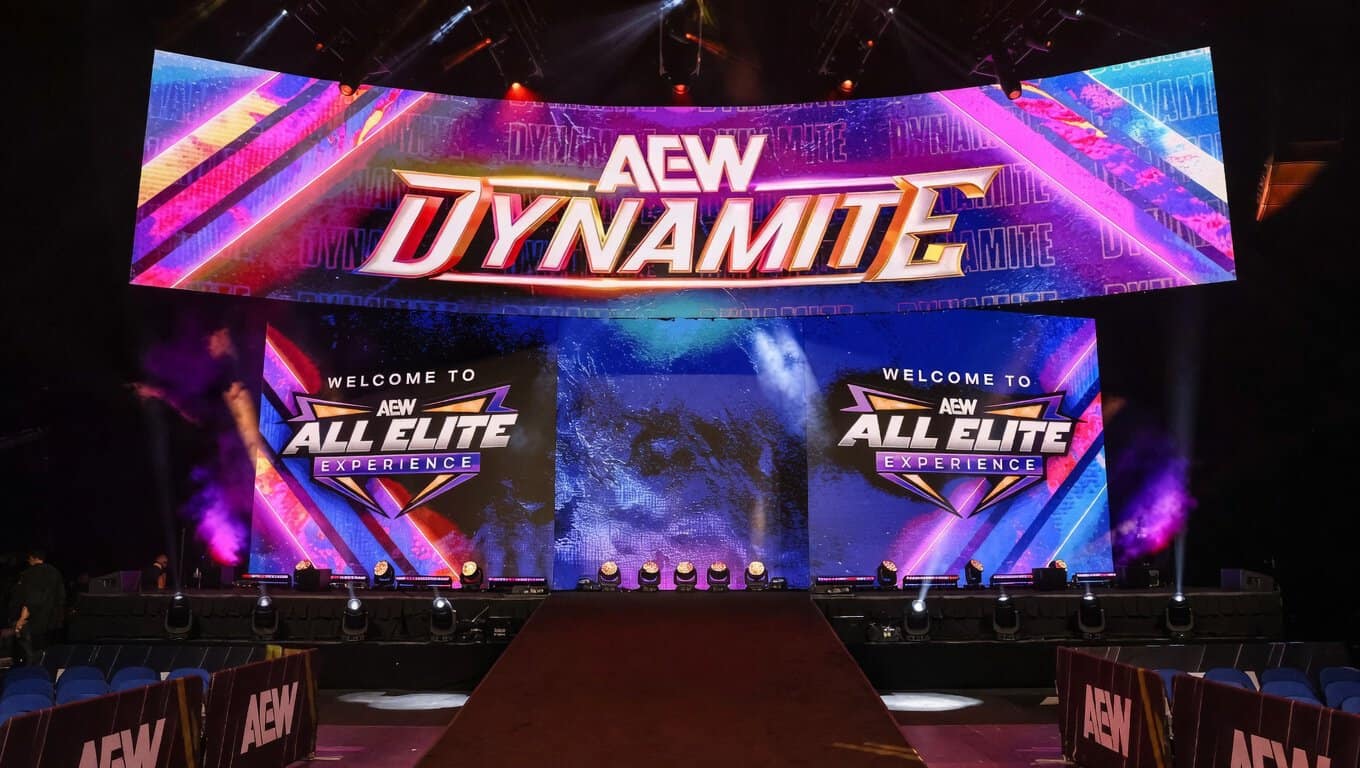
Rob Van Dam is scheduled for an upcoming appearance on AEW television. The veteran, who boasts a lengthy career covering stints in ECW, WWE, and TNA, adds another promotion to his resume. This booking arrives as WrestlingNews.co reported earlier this week, signaling a bridge between eras.
For those tracking the physical toll, Van Dam is a unique case study in longevity. His reliance on high-risk aerial maneuvers—specifically the Five-Star Frog Splash—has kept him in the spotlight for three decades. Historically, these impacts lead to chronic lower lumbar strain and ligament degradation, yet he remains active.
The Medical Reality of High-Impact Veterans
When talents of this generation return, the primary concern is the cumulative damage to the knees and cervical spine. Van Dam has largely avoided the catastrophic ruptures seen in contemporaries, but micro-trauma in the meniscus is a common hurdle for workers nearing 55 years of age. Modern training protocols emphasize mobility, but historical concussive impact cannot be undone.
The return raises questions regarding his current training capacity. At his peak, Van Dam utilized unconventional recovery techniques, including extensive isometric work and focus on flexibility. If his current program omits explosive power for recovery, fans should expect a slower cadence in the ring compared to his 2006 WWE Championship run.
Strategic Booking and Market Positioning
AEW is clearly pushing for name recognition in a market that rewards nostalgia. Bringing in a veteran like Van Dam is a low-risk, high-reward move for a mid-card showcase. However, the booking strategy ignores the inherent danger of pairing a man of his age with younger roster members who rely on high-velocity exchanges.
One critical observation: the promotion frequently relies on guest stars to juice single-event ratings. This is a short-term tactical win but offers zero long-term growth for the younger talent trapped in the undercard. Relying on an ECW-era draw in mid-2026 feels like a defensive maneuver to stop the bleed in Wednesday night viewership numbers.
Historical Context of Legends in AEW
This is not the first time the company has tapped into deep history to attract older demographics. Historically, these appearances rarely result in full-time contracts, often following a pattern of one-off television matches or brief feuds. The physical reality of these spots often leads to prolonged medical monitoring rather than extended title programs.
Van Dam remains a professional, but the industry standard for returning legends has shifted. Audiences now possess more sophisticated knowledge of injury history and recovery times. Should he sustain a soft-tissue injury during his debut, the narrative will shift immediately to the negligence of bringing an inactive veteran into a live, high-impact environment.
Expectations for his ring work should be calibrated. He retains his fundamental timing, but his ability to absorb high-angle bumps has decreased. The medical team will likely permit him to land on his back, provided he keeps the verticality of his offensive style restricted to safe, predictable spots.
Van Dam is a legend, but his utility is capped by his physical history. If the booking focuses on signature taunts and limited sequences, he stands a better chance of exiting the arena without a follow-up visit to an orthopedist.