A legend on borrowed time
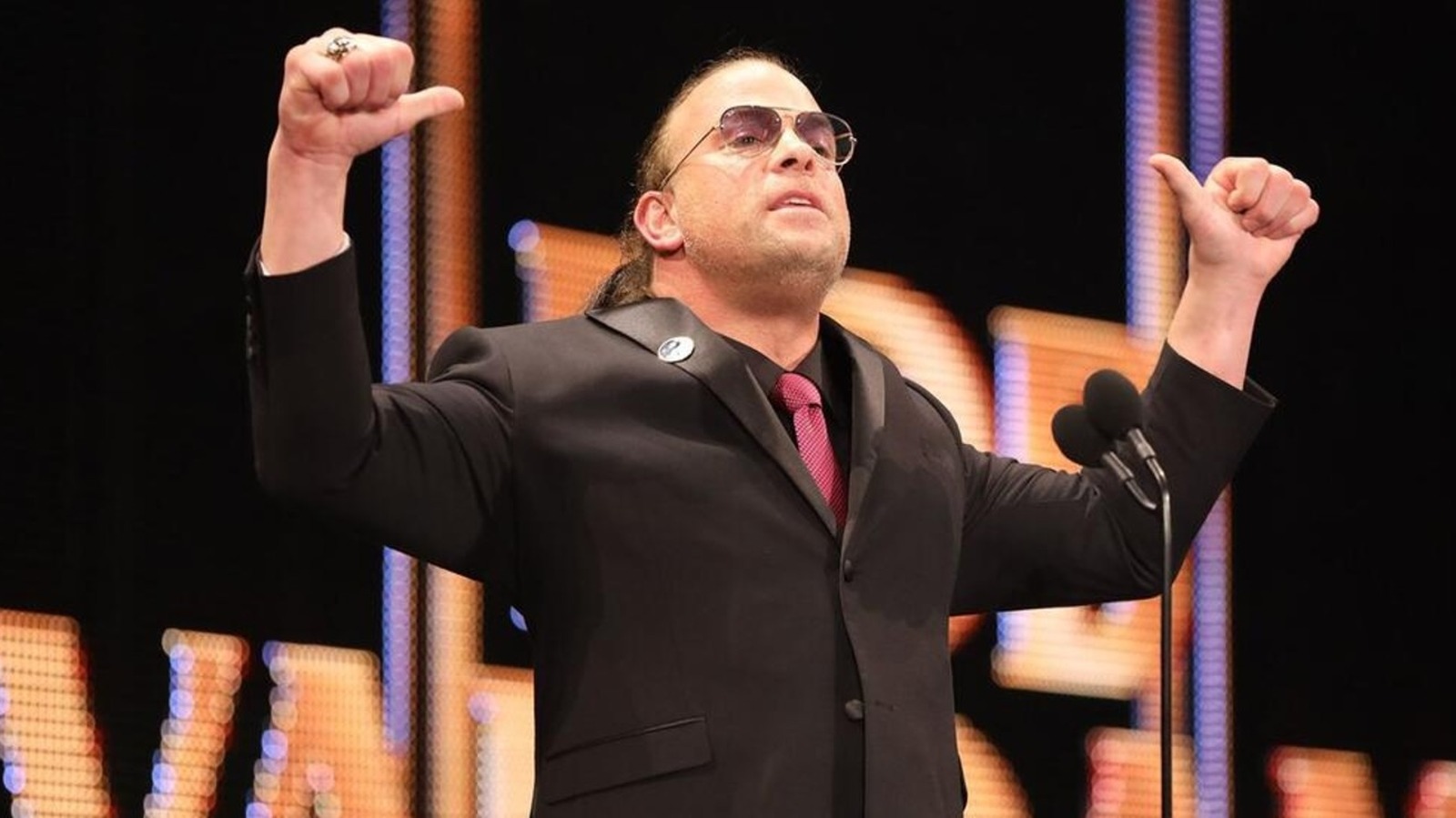
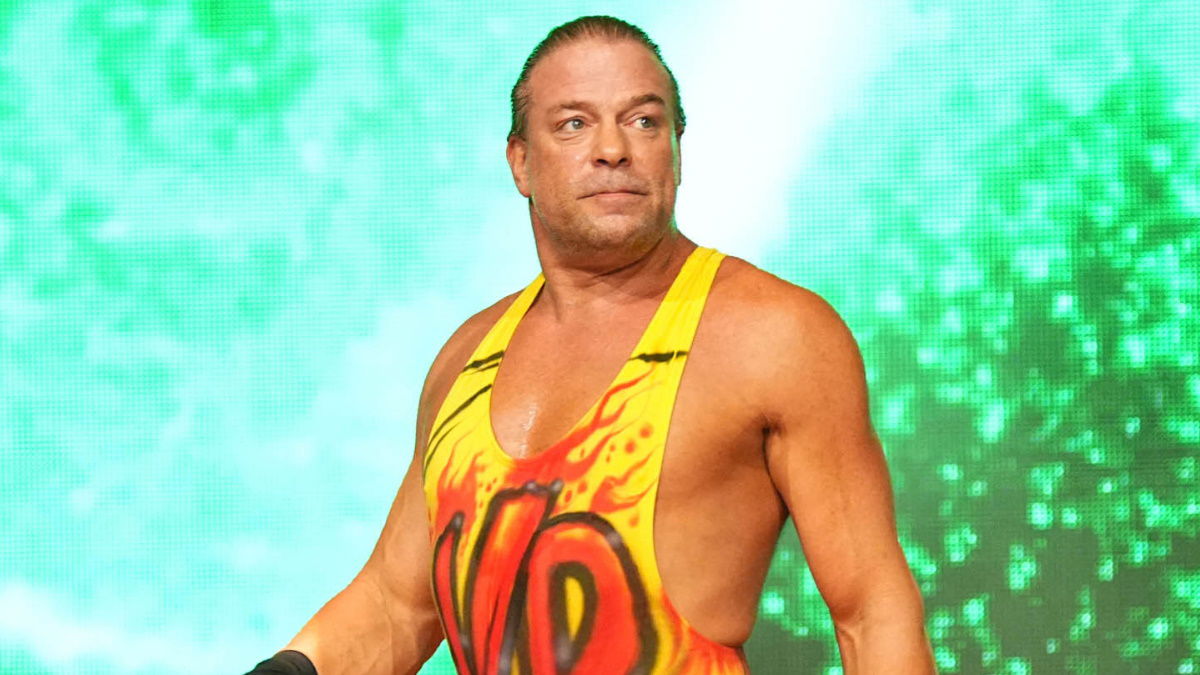
There are very few genuine pioneers left active in professional wrestling. Rob Van Dam is one of them. Following his recent in-ring return in Australia, the WWE Hall of Famer has openly discussed a potential WWE return and a formal retirement tour. The news comes hot on the heels of a concerning injury sustained during MLW’s Battle, serving as a stark reminder of his mortality in a ring that forgives nobody.
For a man whose entire offensive repertoire relies on extreme flexibility, explosive vertical leaps, and reckless abandonment, the fact that he is still lacing up boots is a medical marvel. We are talking about the guy who made the Van Daminator a household name. He popularized a style of striking and high-flying that entire generations of independent wrestlers subsequently stripped for parts.
Yet, reality is undefeated. The injury in MLW highlighted the physical toll of a three-decade career. Coming back to wrestle in Australia proves his desire is still there, but a full retirement tour is a completely different beast. A retirement tour requires careful booking, the right opponents, and a promotion willing to give a veteran the space to say goodbye on his own terms.
The reality of the modern farewell
Sting wrote the perfect playbook for a modern wrestling retirement in AEW. He surrounded himself with young, hungry talent like Darby Allin, hid his physical limitations in wild, chaotic tag team brawls, and went out undefeated. Rob Van Dam needs a similar blueprint if he wants his final run to mean something. The pace of the sport has simply left his late-career speed behind.
This is where we have to be honest. If you have watched Van Dam's recent independent dates, the matches have slowed to a crawl. The setups for his signature spots — the Rolling Thunder, the split-legged moonsault — take agonizingly long. The opponents have to stand there, visibly waiting for him to get into position.
It is the uncomfortable reality of watching an aging gunslinger. A full-time WWE return would ruthlessly expose these declining reflexes against a roster stacked with explosive athletes. But WWE does not need him to work a thirty-minute classic with Gunther. They need the pop.
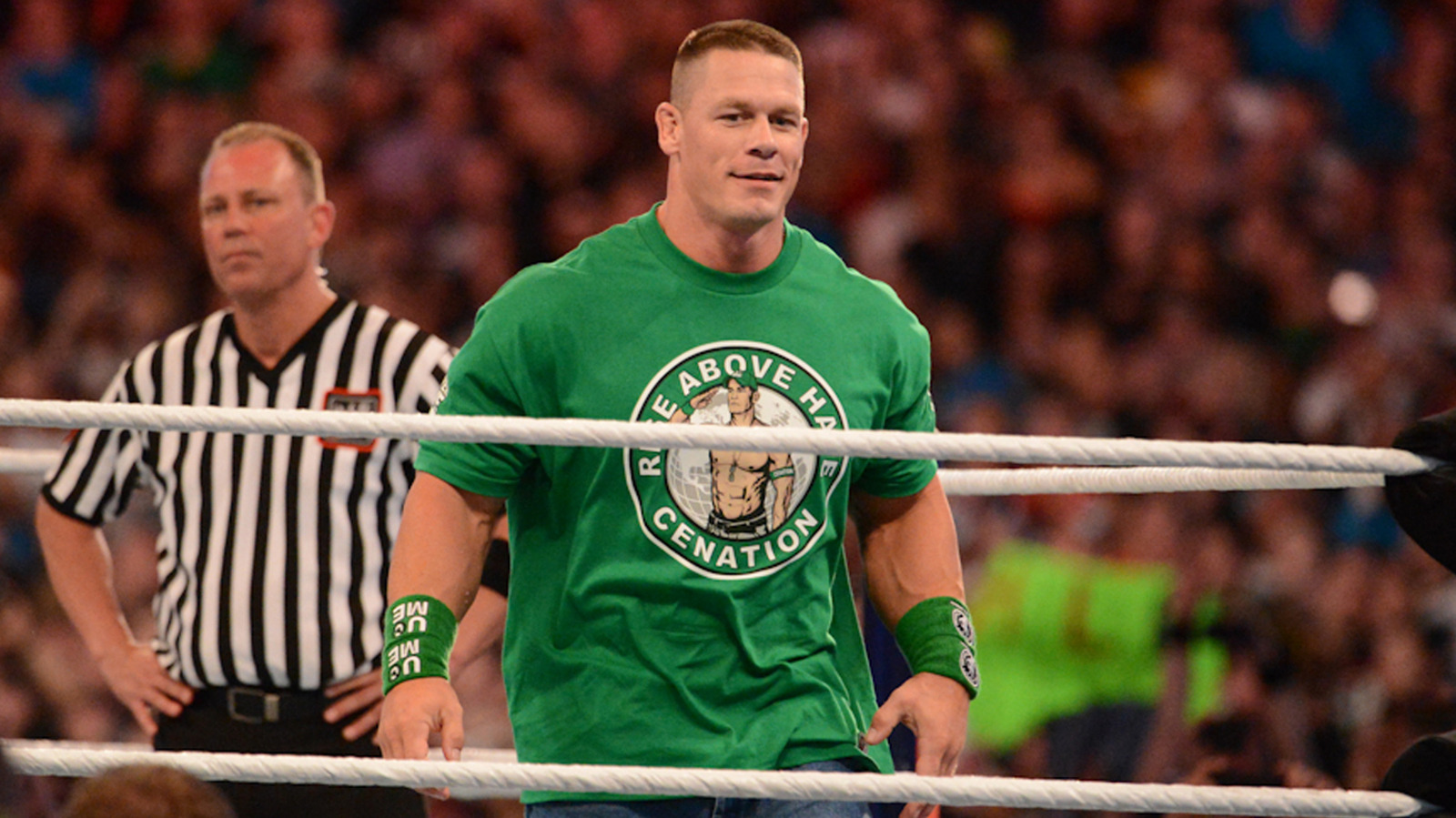
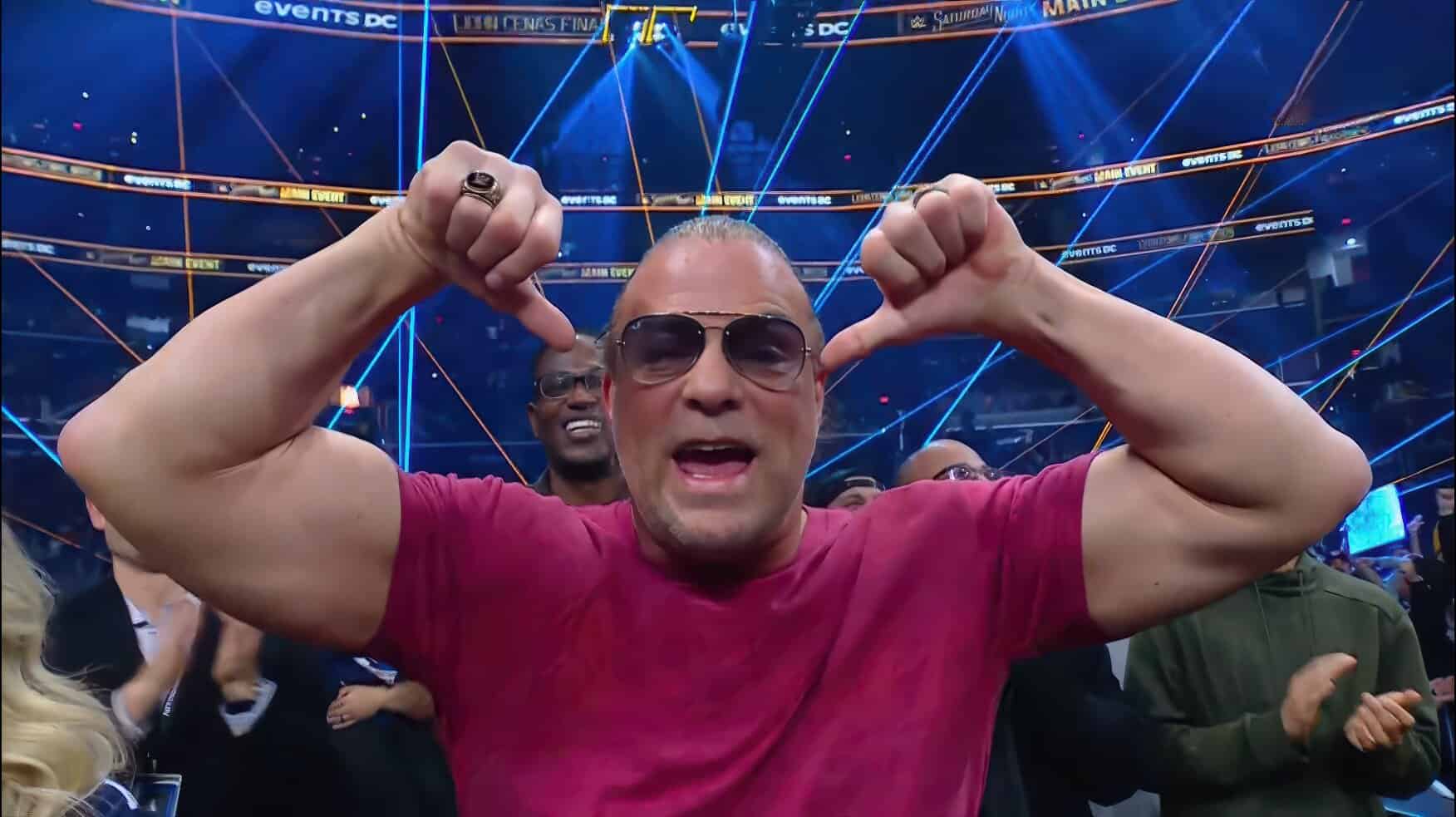
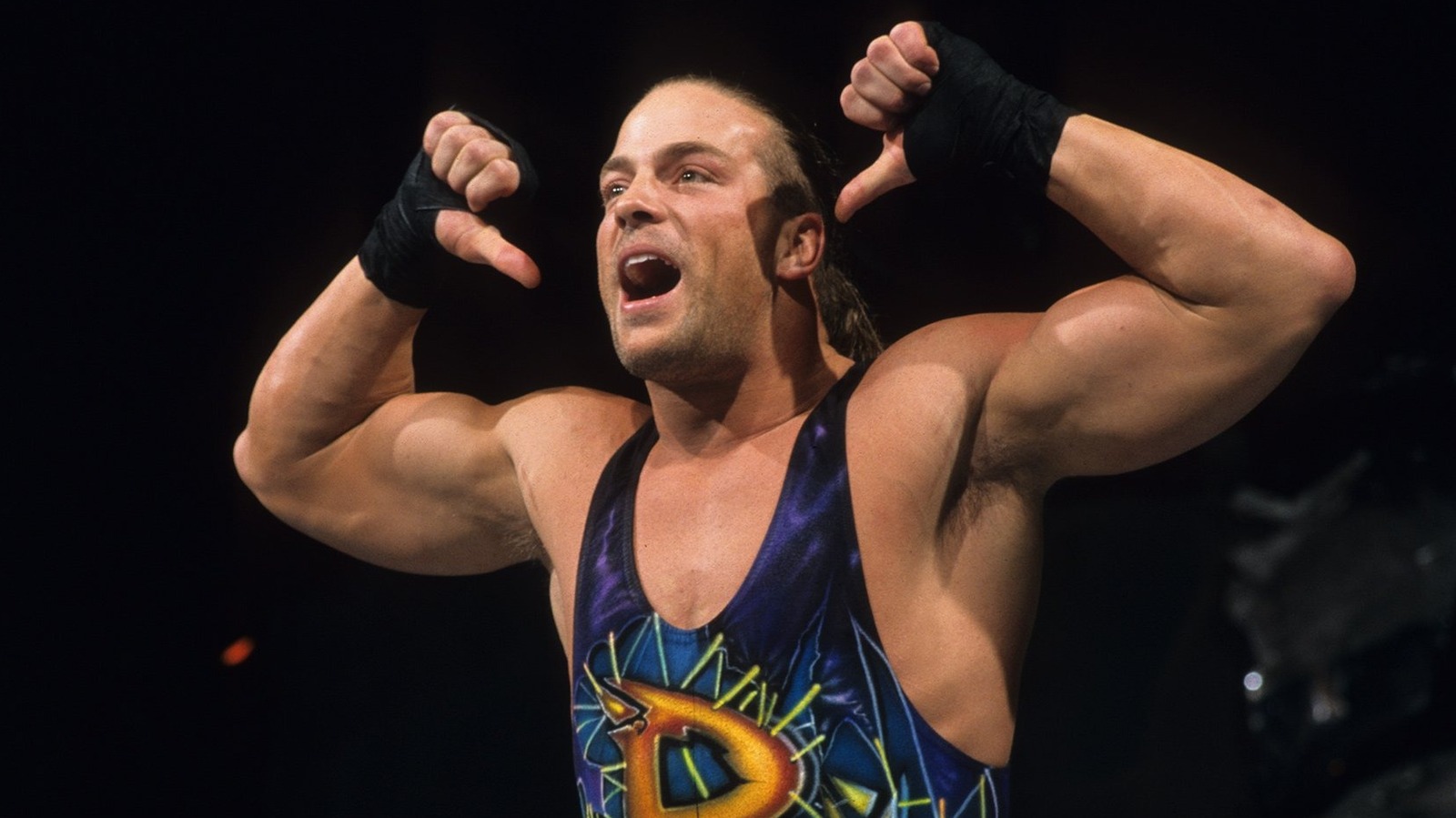
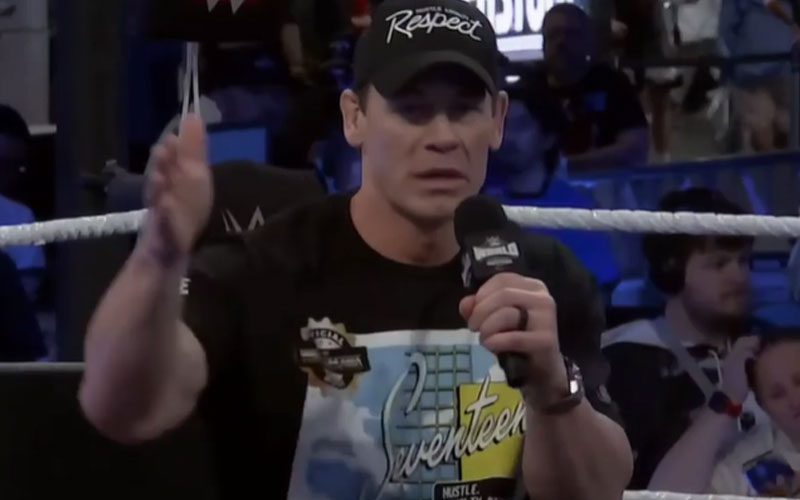
They need the iconic music hitting, the thumbs pointing to the shoulders, and a single Five-Star Frog Splash to blow the roof off the building. We are exactly 26 days away from WrestleMania 41 Night 1 in Las Vegas. The card is already stacked with massive implications, including John Cena's farewell and CM Punk's highly anticipated showdowns. Squeezing a Rob Van Dam singles match into that packed weekend is virtually impossible.
Where does he fit in WWE today?
If a WWE return happens, it has to be highly protected. Think about the current roster. A brief alliance or feud with someone like LA Knight could yield fantastic promo segments. The contrast between Knight's brash, calculated arrogance and Van Dam's permanently relaxed demeanor writes itself.
Alternatively, inserting him into a multi-man ladder match — a match type he fundamentally revolutionized — allows him to hit his greatest hits without carrying the transitional work. There is also the Paul Heyman connection. With Roman Reigns and the Bloodline dominating the main event scene, an interaction between Heyman and his former ECW crown jewel would be incredible television.
Heyman understands Van Dam's aura better than anyone alive. If anyone can book a short, impactful final run for the icon, it is the man who first put him on the map in Philadelphia.
The evolution of his offensive geometry
To truly understand how revolutionary his early work was, you have to look at the geometry of his matches. In the late nineties, most professional wrestlers operated on a strictly horizontal plane. You ran the ropes left to right. You threw strikes on a flat axis.
Rob Van Dam attacked from diagonals. He bounced off the top rope backwards to deliver kicks to a standing opponent. He used the barricade as a springboard. He fundamentally altered the spatial dynamics of a wrestling ring.
That innovation comes at a terrifying cost. You cannot cheat gravity forever. When you spend decades throwing your body backwards through the air onto concrete floors or steel chairs, your joints eventually collect the debt. The recent MLW Battle injury is just the latest reminder that his style was never built for longevity.
It was built for spectacle. The fact that he is even discussing a retirement tour in 2026, twenty-five years after the closure of Extreme Championship Wrestling, defies medical logic. If he returns to WWE television, the creative team has to protect that legacy.
You do not bring back an icon just to have him trade roll-ups on Monday Night RAW. You bring him back to remind the audience that before the current crop of athletic freaks took over the sport, there was a guy in a singlet who was doing it first, doing it higher, and doing it with a permanent, laid-back smirk on his face.
The tactical breakdown of an RVD return
Let us talk about the ring work. Even at a reduced speed, Van Dam's offense remains uniquely difficult to counter because of its sheer unorthodoxy. Most modern high-flyers rely on continuous momentum, bouncing off the ropes in fluid sequences. Van Dam has always been a stop-and-start fighter.
He hits a sudden martial arts kick, stops, taunts, and then launches into a completely disconnected aerial move. This jagged rhythm makes him a frustrating opponent to time. However, the lack of lateral quickness is a massive liability. Opponents with heavy striking games would tear through his current defense.
In his prime, he could evade and counter with spinning heel kicks. Today, he absorbs far more punishment before firing back. If he signs a short-term WWE deal, his matches must be structured around weapon use or No Disqualification rules. Extracurricular hardware slows the pace and plays directly to his ECW roots.
A standard rules match against a technician like Chad Gable would look horribly disjointed. There is also the question of his finishing sequence. The Five-Star Frog Splash remains one of the most beautiful moves in the business, but the impact on his own ribs and knees upon landing is brutal. Every time he hits it now, you can see the wince.
He needs to transition to a less taxing finisher for weekly television, saving the splash strictly for major pay-per-views. Relying on the Van Daminator as a primary finish makes structural sense, provided WWE loosens its restrictions on chair shots to the face, which is highly unlikely in 2026.
The AEW alternative
We cannot discuss a retirement tour without looking at the other side of the aisle. All Elite Wrestling has built a reputation as the premiere destination for aging legends who want creative control over their final chapters. Tony Khan has repeatedly shown a willingness to let veterans go out on their shields. If WWE passes on a high-profile final run, AEW would snap him up in a heartbeat.
Consider the potential matchups in Jacksonville. A chaotic, high-flying brawl alongside the Lucha Bros or a purely technical striking match against Bryan Danielson would easily sell out a pay-per-view. AEW's relaxed rules regarding weapon use and violence also fit perfectly into his ECW wheelhouse. If he wants to hit a Van Terminator with a steel chair from corner to corner, AEW is the promotion that will clear that spot without hesitation.
Yet, there is a certain finality to ending a career in WWE. Van Dam achieved his greatest mainstream success there. Winning the WWE Championship from John Cena at One Night Stand is arguably the peak of his career. Walking away from the company that owns the video libraries of both WWE and ECW means leaving a lot of retrospective documentary money on the table. A WWE Legends deal ensures his legacy is immortalized on their streaming platforms forever. The business realities heavily favor a return to Stamford.
The final verdict
Rob Van Dam does not have anything left to prove. He was right about everything. He predicted the industry's shift toward hybrid martial arts and aerial offense twenty years before it became the standard. The current generation of main eventers are all doing moves he was doing in 1997.
He wants a retirement tour, and he absolutely deserves one. The fans owe him that final moment of adulation. But nostalgia is a dangerous drug, and wrestling history is littered with legends who stayed three matches too long. WWE must manage this carefully.
Here is the prediction. Rob Van Dam will not wrestle at WrestleMania 41. The timeline is too tight, and the card is too heavy. Instead, expect him to make a surprise appearance on the RAW after WrestleMania or during the build to WWE Backlash in May.
He will sign a short-term, legend-tier contract that guarantees him three to four protected tag team matches and one final, massive send-off at a major stadium show. He will not win a championship. He will not wrestle a thirty-minute iron man match. But he will hit one last, perfect frog splash. And for a few seconds, while he is suspended in the air, the entire wrestling world will feel exactly like it did in 2006.
Read Next
- Predicting the chaotic brilliance of Sid Vicious' Hall of Fame induction
- Oba Femi against Brock Lesnar is WWE's ultimate tactical stress test
- Why Zilla Fatu is absolutely debuting at WrestleMania 41
- Brock Lesnar does not care about his legacy and that makes him dangerous
- 🏆 WrestleMania 41 — Full Coverage Hub