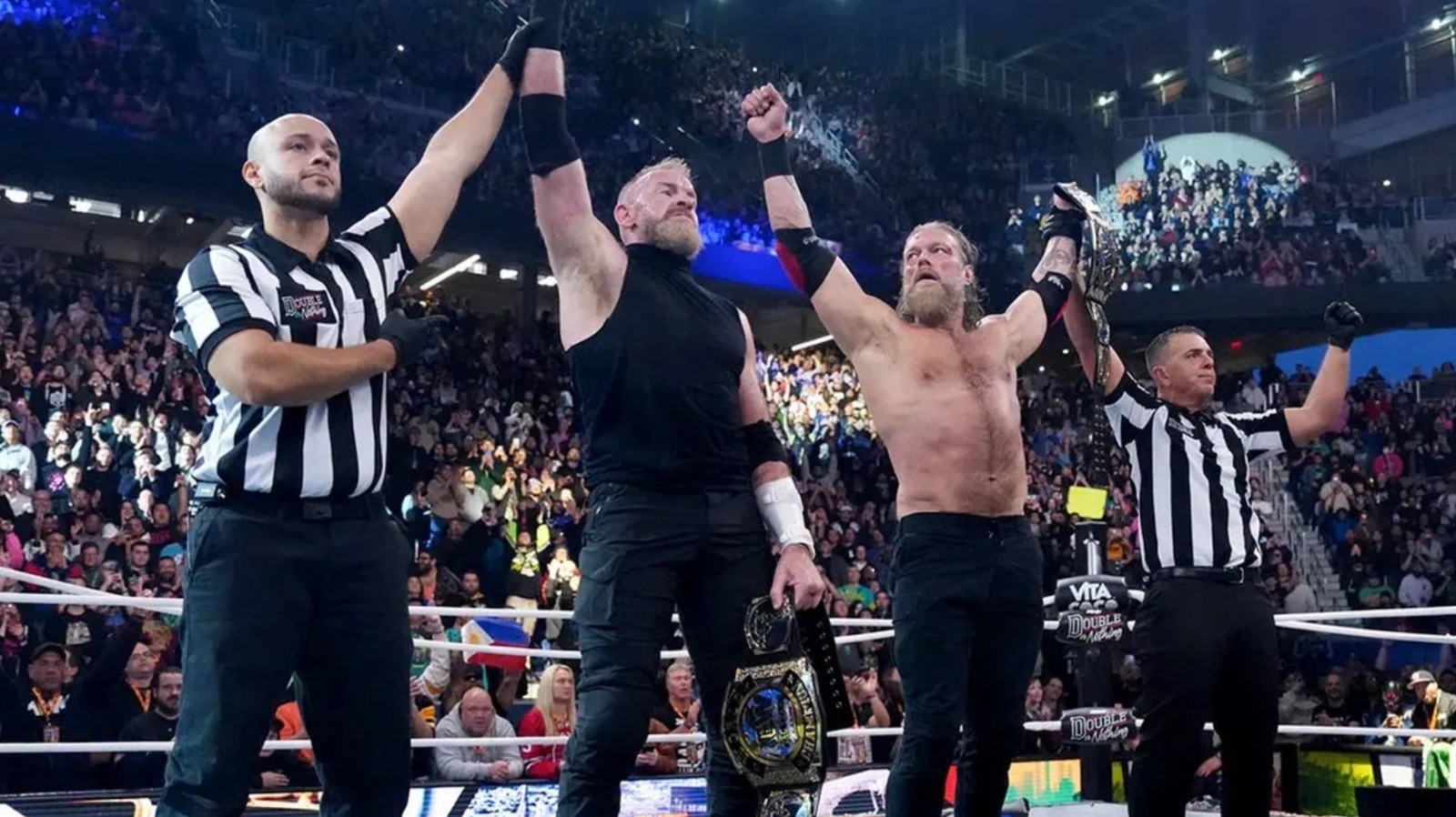
The shadow of the NYSAC over Double or Nothing
AEW arrived in Las Vegas for Double or Nothing 2026 under the watchful eye of a regulatory body usually reserved for boxing and MMA. The New York State Athletic Commission issued strict mandates that ultimately bled over into the Nevada presentation. Wrestlers were informed that traditional blading and wide-reaching crowd brawling were off the table. The result was a sanitized main event floor that felt jarring for a company built on blood-and-guts expectations.
Stifling the spectacle
The prohibition on blading significantly altered the pacing of the high-stakes bouts. Without the visual shorthand of a crimson mask, several wrestlers struggled to sell their physical peril. Viewers expecting the usual chaos of an AEW marquee event were met with a curiously clean canvas. The commission’s reach essentially forced a shift away from the company's signature brand of visceral violence. This move highlights a growing friction between modern sports entertainment and state oversight.
The New York State Athletic Commission banned blading and crowd brawling from AEW Double or Nothing 2026.
The impact goes beyond just missed visual beats. When management is forced to walk on eggshells, the aggression in the ring often follows suit. The lack of crowd brawls meant the energy remained tethered to the squared circle rather than spilling into the theater of the arena. Fans who pay for the 'Stampede' aesthetic walked away feeling cheated by the rigid technicality of the production.
Booking in a vacuum
Management had to scramble to rewrite segments hours before the initial bell. When you build a narrative around the threat of physical destruction, stripping away the tools of that trade makes the storytelling look hollow. This wasn't just a missed opportunity for a 'hot' moment; it was a fundamental misfire in the exhibition’s atmosphere. The booking felt like it was playing at 80 percent of its intended capacity.
Critics will argue that this is simply the reality of modern wrestling regulations. Yet, checking the pulse of the audience, the disappointment was audible throughout the broadcast. The commission’s intervention transformed a potential classic into a restrained technical workout. It poses a risk to the brand identity that Tony Khan has fought to cultivate since the company's inception.
Missed marks and technical constraints
The removal of crowd brawling elements specifically hurt the undercard dynamics. Usually, these segments provide a relief valve for fans between complex technical sequences. By tethering the talent to the mat, the show felt longer than its 3 hour and 45 minute runtime. Wrestlers were forced to trade submission holds when a brawl would have provided better momentum.
- Prohibition of intentional blood via blading methods.
- Strict physical boundaries keeping performers inside the ring perimeter.
- Heavily restricted interaction with ring-side obstacles or audience seating.
The promotion's inability to lean into its strengths made for an awkward spectacle. If the company intends to host events in states with heavy-handed athletic commissions, they need to build contingency plans that don't result in a diluted product. As reported by Wrestling Inc, the impact of these mandates were felt by every performer on the card. Relying on state regulators to dictate the flow of a storyline is a recipe for a bad night at the box office.
The bottom line
Was it a failure or a pivot? To call it a complete failure is harsh, but the product undeniably lacked its teeth. The main event chemistry suffered because the stakes felt artificially lowered by the absence of the 'hardcore' elements audiences have come to expect. While the wrestling quality remained high, the emotional payoff was severely suppressed.
Going forward, fans should keep a close eye on where AEW chooses to host its premium live events. If they continue to play in jurisdictions that view professional wrestling through the lens of a combative sport rather than a theatrical one, these issues will persist. A company built on breaking traditions struggled to find its footing under the weight of archaic regulatory standards.