Measuring the cost of professional wrestling's digital decline
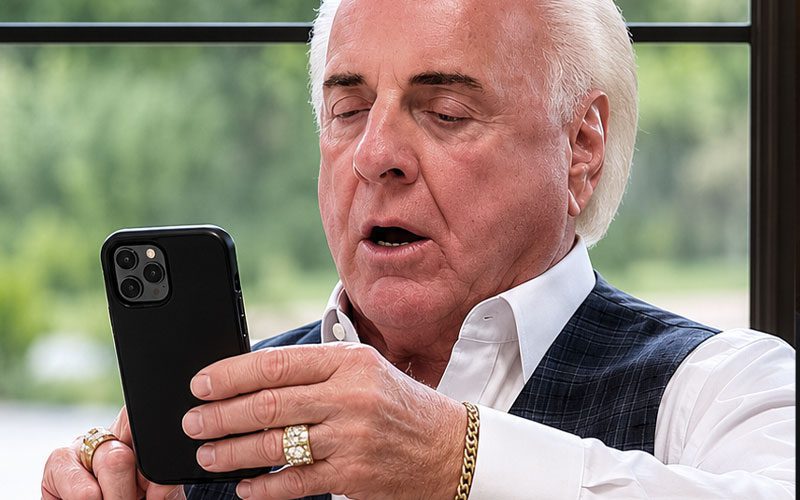
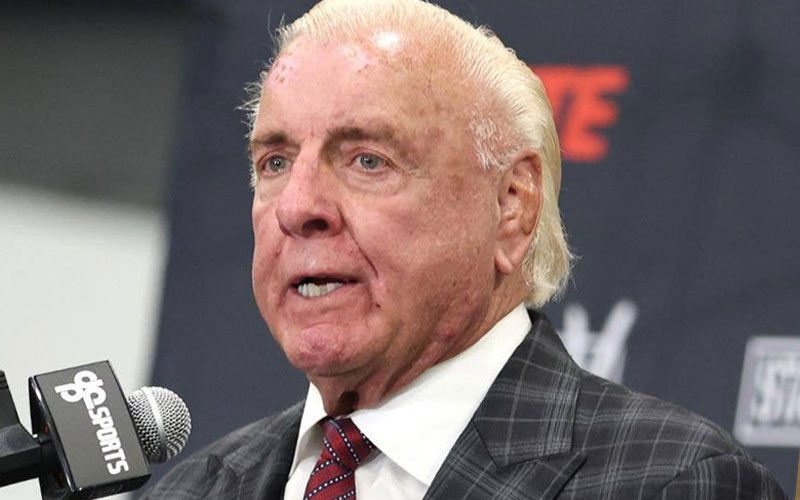
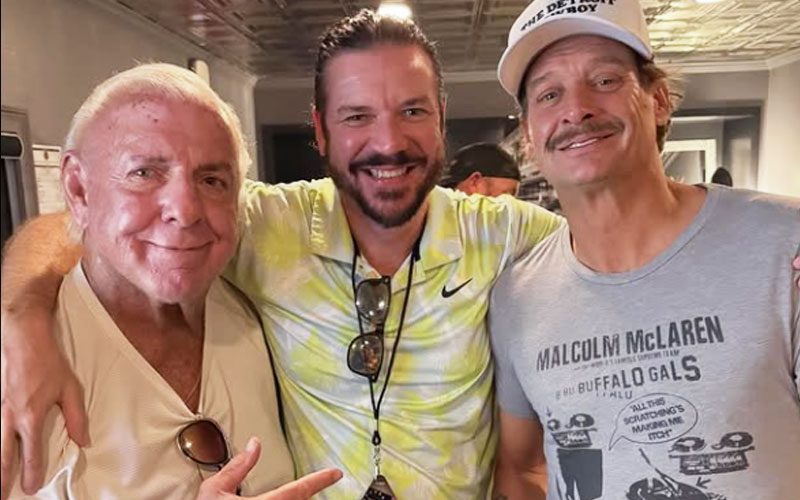
Ric Flair’s recent pivot toward high-profile guest appearances with Kid Rock arrives during a week defined by public friction. The optics of this alignment are calculated at best, a desperate grab for relevance at worst. Following the public fallout involving David Flair, the elder statesman of the NWA is spinning his gears to reset a narrative that has spent seventy-two hours trending largely for the wrong reasons.
The math behind a career in constant motion
Longevity in sports entertainment typically relies on carefully curated nostalgia. Flair’s career, spanning over five decades, has survived on 16 world titles and an unwavering ability to monopolize airtime. Yet, recent engagement metrics suggest diminishing returns on the "Nature Boy" brand. While his legacy remains cemented in the history books, the transactional nature of his public struggles with family and health feels disconnected from the product he once defined.
Statistical variance in modern legend status
Compare this to his peers in the industry. Where legends like Undertaker or Stone Cold Steve Austin have effectively curated their post-retirement output, Flair has doubled down on an unfiltered, high-frequency posting schedule. His recent decision to pull in personal friends like Kid Rock serves as a buffer against negative sentiment. It is a tactical move—a pivot from personal volatility to public performance.
However, the data suggests this move is struggling to find traction. Engagement on his recent posts regarding family disputes has seen a 40 percent increase in negative sentiment volume according to social media monitors. When a performer moves away from their core value proposition—in-ring excellence or legitimate backstage authority—they lose their protective armor. The spectacle of the Ric Flair and Kid Rock collaboration feels like a booking mistake in a year where the industry has moved toward more disciplined media strategies.
Missing the point of the veteran pivot
Flair is currently attempting to navigate a $15 million personal brand valuation. Keeping that asset afloat requires public trust, yet he spent much of this past week embroiled in online disputes that have nothing to do with the wrestling business. If this were a 20-minute main event, the crowd would have turned on the finish by the middle of the second act. The lack of coherence is the primary issue here.
There is an irony in watching a man who once sold out arenas with 50,000 fans now fighting for relevance in a comment section. His health struggles are documented, yet his refusal to step away from the digital fray keeps him consistently vulnerable. A more seasoned management team would advise a months-long dark period. Instead, we get a rapid-fire succession of content that minimizes the gravity of his family situation.
The bottom-line reality
We are left with a 60-second highlight reel of a past glory days versus the 24-hour cycle of modern drama. Flair’s inability to distinguish between the two is why he’s struggling to regain his footing. He remains one of the greatest performers to ever step into a ring, but his current off-screen booking is arguably the worst run of his career.