The championship landscape is stalling
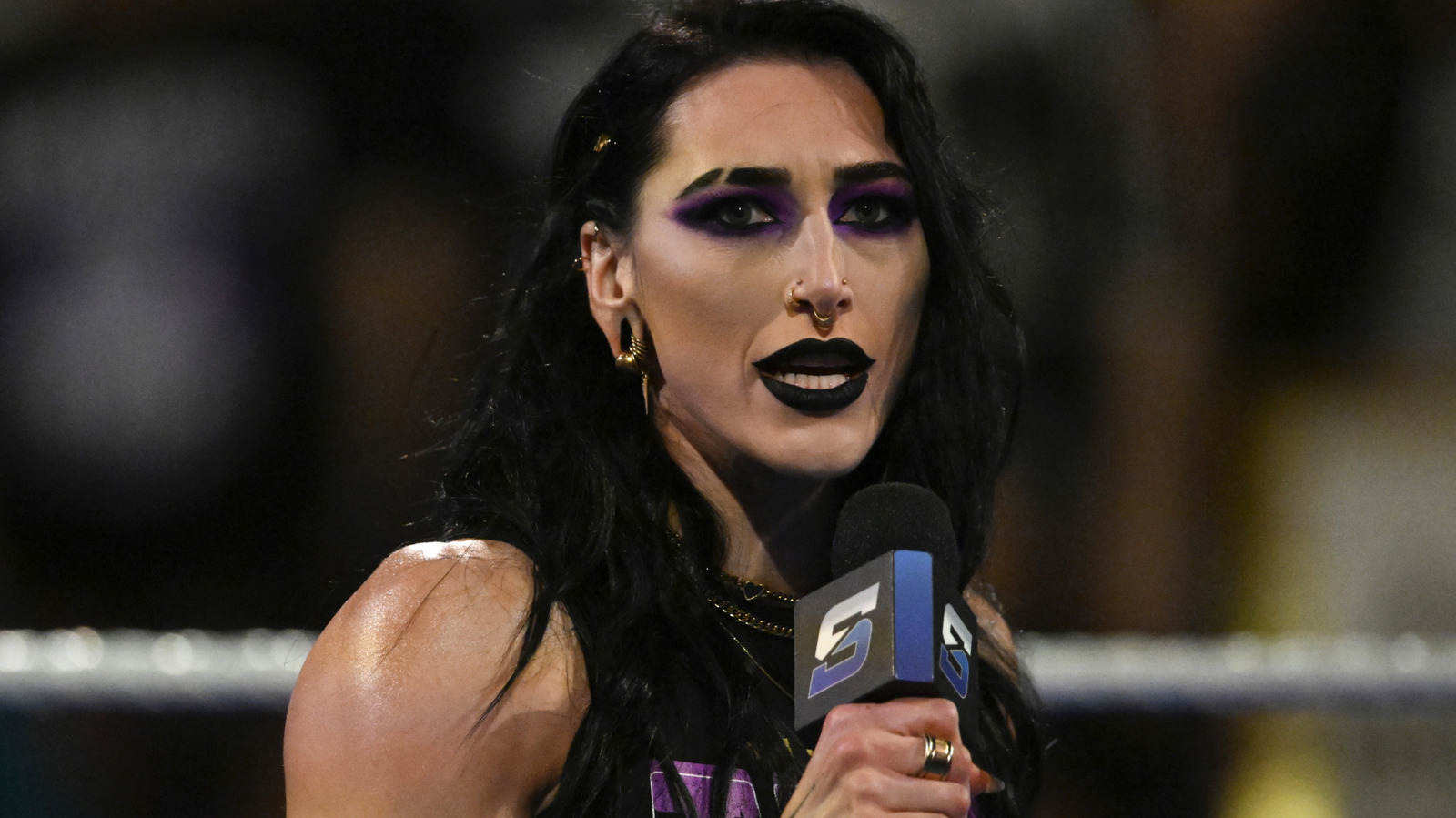
Rhea Ripley’s confirmation of her injury arrives at a disastrous time for the women’s division. We are watching a title lineage freeze in real-time, as the weight of the gold sits idle while the locker room scrambles to fill the void. When a dominant force like Ripley exits, the structural integrity of the booking often collapses alongside it.
As recent reports confirmed, the recovery path is not a short runway. Without a clear timeline for a return, the creative team is reliant on placeholders rather than challengers. The momentum of the division is suffering from a lack of high-stakes main events.
Missing the edge in the undercard
While the top of the card deals with medical uncertainty, the mid-card talent is busy stripping away the details that actually moved the needle. Karmen Petrovic recently arrived in the ring minus her signature sword, a visual prop that provided a specific aesthetic identity. Removing such elements makes the presentation feel sanitized and flatter.
You can read more on Petrovic's shift here. Wrestling is built on character hooks; when you cut the weapon, you cut the gimmick's gravity. A character needs visual shorthand to survive in a crowded roster, and this feels like a strategic misfire.
The industry is transitioning toward austerity
The issues aren't limited to the WWE ring. Over in TNA, the transition to AMC is forcing a reduction in how the show is physically captured and produced. Wrestlers are hitting the canvas knowing the cameras aren't catching the same angles they are used to. These production limitations are often hidden from the viewer behind slick editing, but they alter the rhythm of the matches themselves.
If you look at the latest updates from TNA, the frustration from the talent is becoming more apparent. Wrestling exists in the details: the timing of a comeback, the specific angle of a sunset flip, the pacing of a heat segment. When production resources shrink, the quality of these transitions usually dips.
History closes its doors
To top it off, we have seen the official retirement of Victoria. Her career spanned the hardcore era through the technical resurgence of women’s wrestling. Watching these legends step away, like the 2026 departure of a veteran who defined toughness, reminds us that the product is in a constant state of turnover. The promotion needs fresh heels who can actually step into her vacated mental space.
We are left with a division that feels less like a battleground and more like a waiting room. The booking fails to capitalize on the urgency of these injuries and transitions. My prediction? We will see a slow-burned tournament for an interim title that draws sub-par numbers, followed by a clunky return narrative that tries to force the audience to care about lost time. It is time for creative to stop hedging and start building stars who don't rely on props or vacant championship reigns to remain relevant.