The physical and mental tax of the main event
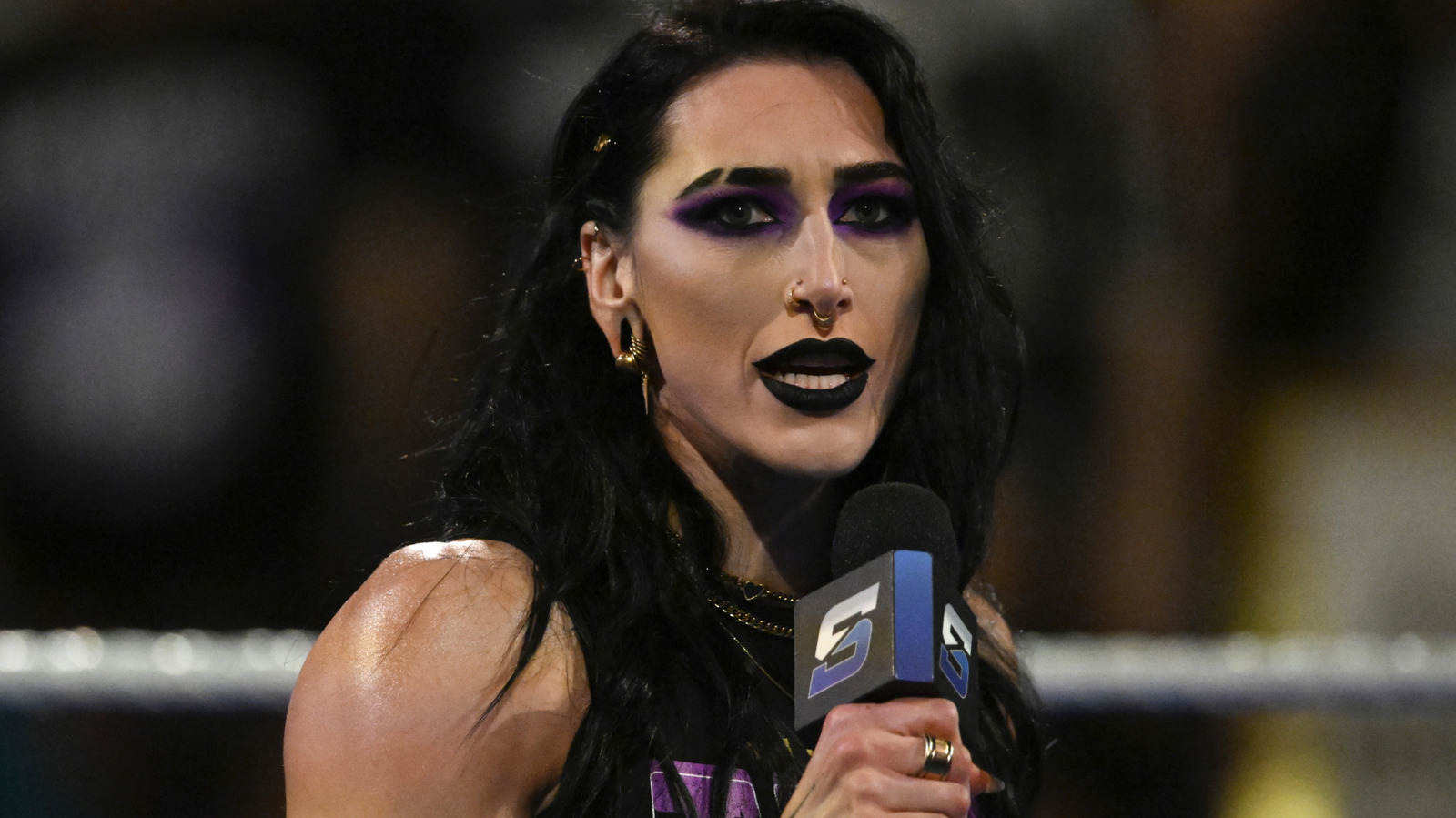
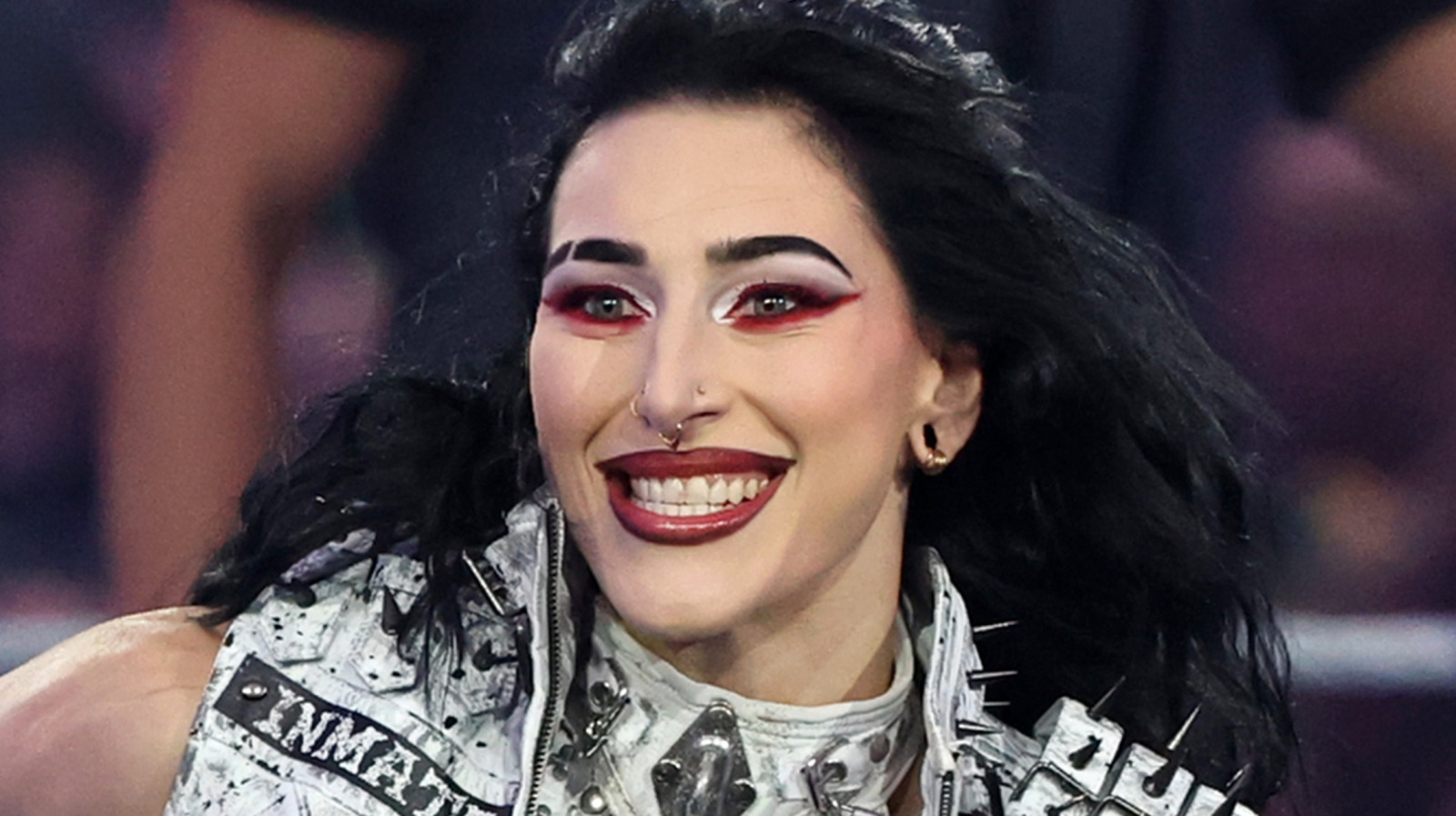
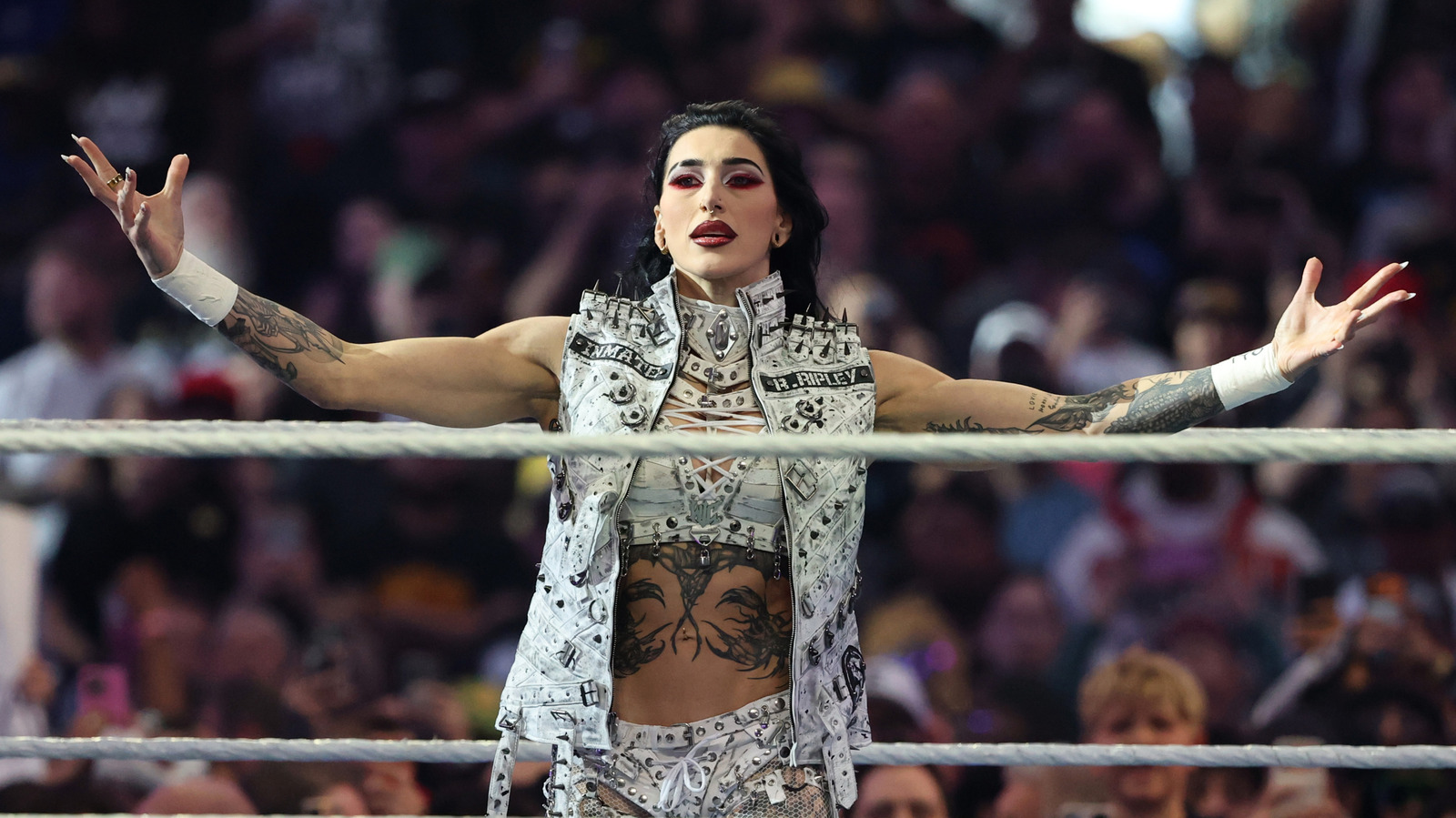
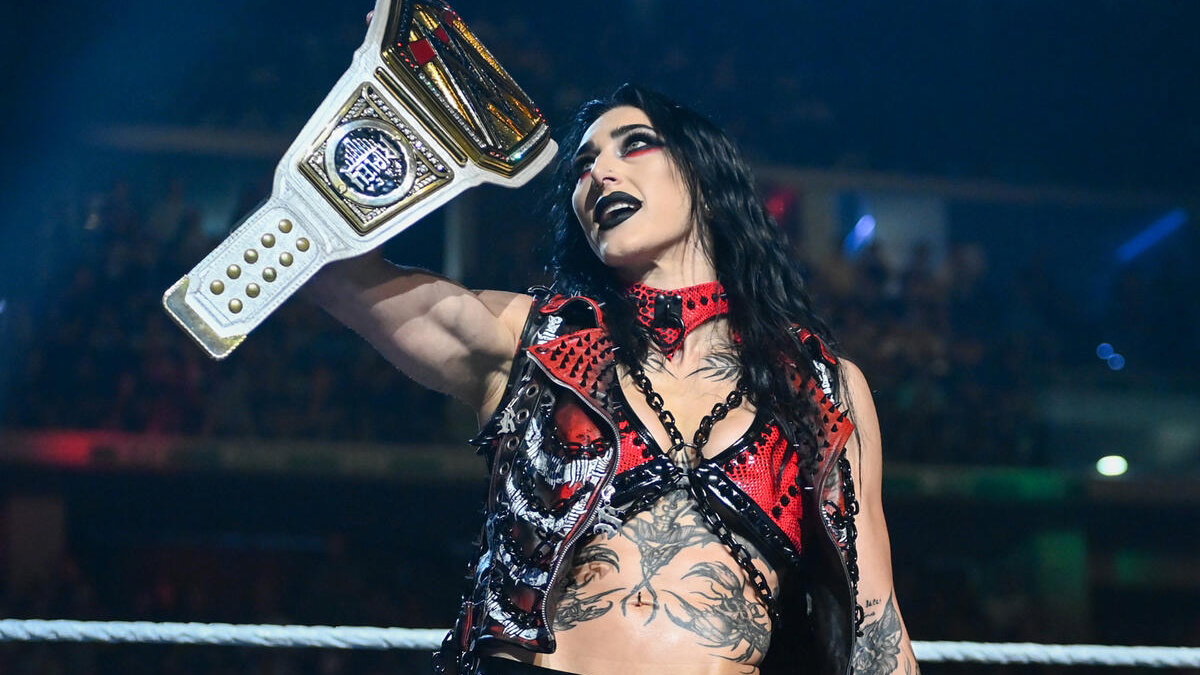
Professional wrestling narratives often gloss over the biological realities of maintaining a main-event schedule. As reported by WrestlingNews.co, Rhea Ripley recently experienced a significant health scare during the Australia tour, involving a collapse and a panic attack. This isn't just a minor blip; it is a signal that the intensity required to perform at her level has an expiration date when not managed correctly.
Ripley has been a centerpiece of the women's division for years, relying on a high-impact style that prioritizes power-heavy maneuvers. Her signature move, the Riptide, remains a staple finisher precisely because of its simplicity and brutal efficacy. However, as noted in her recent comments to ESPN, the move is a product of instinct and improvisation, which inherently makes it physically taxing over hundreds of iterations.
The compounding pressure of personal and professional life
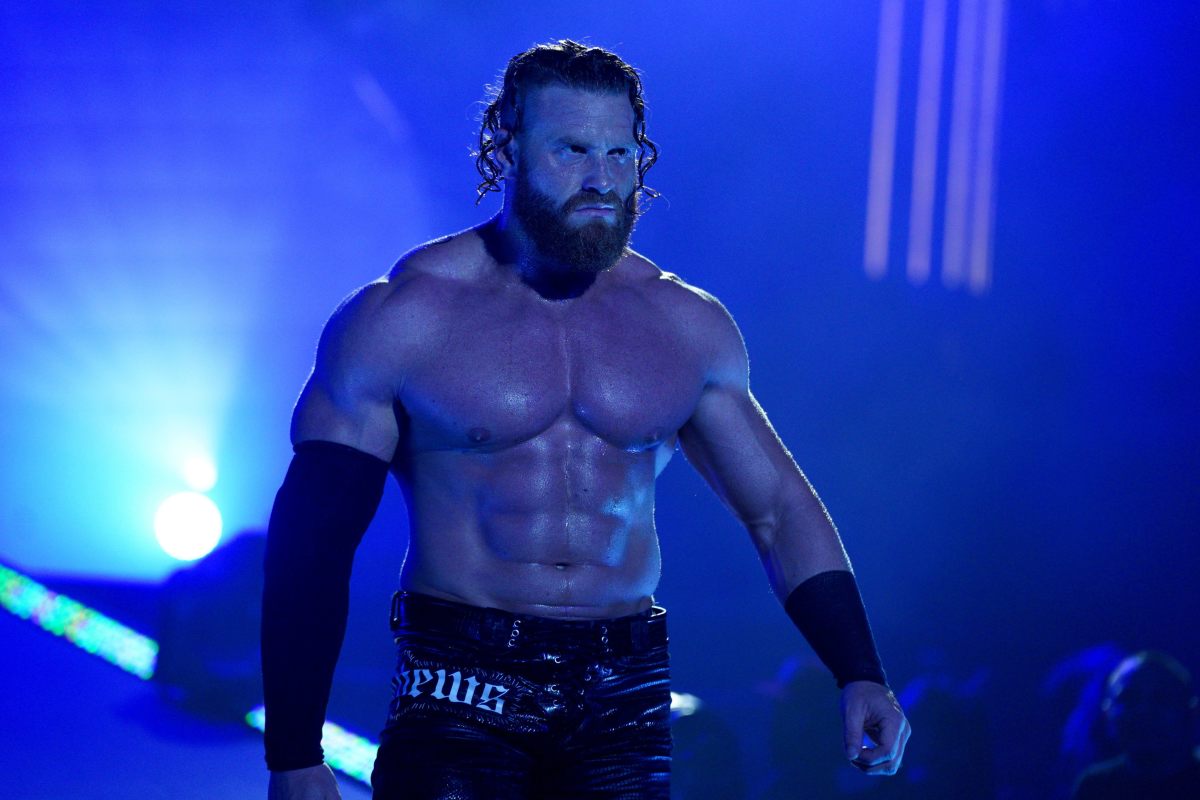
We are watching two distinct stories collide for Ripley right now. Beyond her own recovery from recent health issues documented extensively at PWInsider, she is dealing with the professional limbo of her partner, Buddy Matthews. As Rhea herself noted, there is a clear frustration surrounding Matthews' ongoing injury recovery timeline.
When a wrestler’s personal support system is sidelined by medical issues while they are simultaneously attempting to process their own burnout, the in-ring output almost predictably suffers. We look for snap in the strikes or tight closing sequences, but fatigue creates a slower kinetic chain. It leads to sloppy transitions.
The prediction
I am projecting that WWE will move to restrict Ripley’s televised match frequency over the next three months. The company cannot afford another incident like the collapse in Australia, and the optics of pushing an athlete through a documented panic attack are brutal.
Expect a shift toward shorter, high-impact television spots rather than 15-minute technical bouts. If they maintain her current trajectory without these adjustments, I expect a notable drop in her match rating average, likely falling below 3.25 stars per major bout as she limits her exposure to high-risk spots to safeguard her long-term health.
The current scheduling model is unsustainable. By the time the summer concludes, she will likely be utilized as a special attraction rather than a weekly workhorse. It is a necessary tactical retreat. If she pushes through this current wall, the risk of a more severe, long-term injury increases exponentially, which would be a catastrophic loss for the brand’s top-tier storytelling.