The end of the line for a true high-flying pioneer
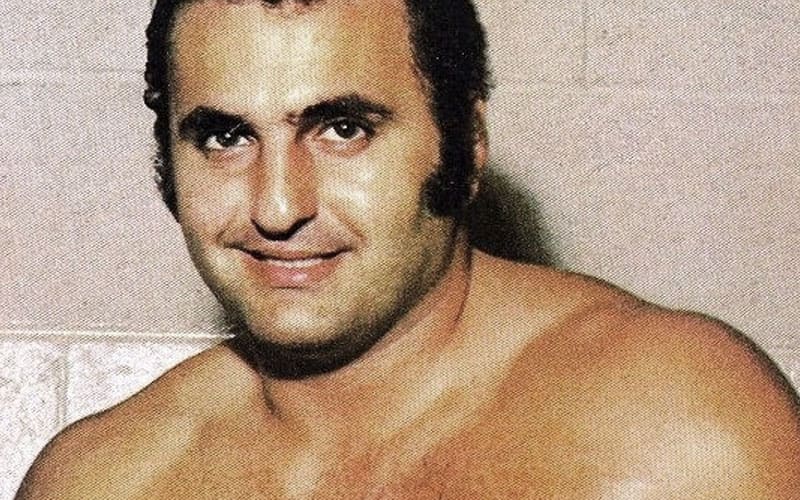
The wrestling industry lost a piece of its foundational DNA this past Friday with the passing of Fred Curry. Known to every fan who lived through the territorial days as Flying Fred Curry, he hit the final bell at 82. You might not see his name on a modern WWE poster, but he was a legitimate trailblazer long before high-flying became the default setting for every third match on a Tuesday night.
Defining the standard for the aerial game
Before we had the triple-moonsaults and the gravity-defying chaos of today, we had guys like Fred Curry. He didn’t just jump; he understood the psychology of the climb. Many modern performers could stand to learn from his approach to working a crowd. He carried the NWA banner with a level of credibility that is increasingly rare in an era where titles change hands faster than social media trends.
As PWInsider reported, the legend has left us, taking a massive library of mid-century wrestling history with him. He wasn't just a guy hitting spots for the cheap pop. He was an athlete who helped transition the business from the slow-cooked mat game of the early post-war era into something that actually resembled an athletic exhibition.
Why the territorial era matters more than ever
We spend a lot of time analyzing the slick production values of WrestleMania 41 or the internal politics of major promotions. Yet, we rarely pause to appreciate the guys who wrestled in smoke-filled rooms, driving state to state in cars held together by duct tape and sheer willpower. Fred Curry was the archetype of that grind, earning championships across the NWA back when the territories defined the sport.
You can see the influence of his style in literally every modern flyer, yet nobody talks about him with the reverence afforded to the guys from the televised cable era. It’s a recurring blind spot in the modern fandom. We prioritize the big, loud spectacle over the craftsmen who laid the floorboards we’re all standing on today. Even Ringside News confirmed his passing at 82, noting his stature as a former NWA champion who helped put smaller, faster wrestlers on the map when the titans of the industry were all supposed to be 300-pound goliaths.
The missed opportunity of legacy recognition
If I have one gripe, it’s that the industry waits until an obituary hits the wire before dusting off the highlight reels of these legends. There is an absolute lack of effort from the major powers to curate the history of guys like Curry while they are still here to receive those flowers. We are comfortable letting the memory of these workers fade into the static of internet forums instead of integrating their contributions into the weekly narrative.
Fred Curry was special. He was the first real high-flyer of the sport. His legacy isn't an algorithm-driven viral clip, but a lifetime of work in a business that usually eats its own. The business is currently obsessed with the future, desperately trying to sell us on the next big attraction, but we are drifting further away from the fundamentals that put butts in seats during the 1960s and 1970s. Hopefully, someone takes the time to put together a proper tribute instead of the standard ten-second graphic we’ll surely get tonight.