A legacy lost to illness
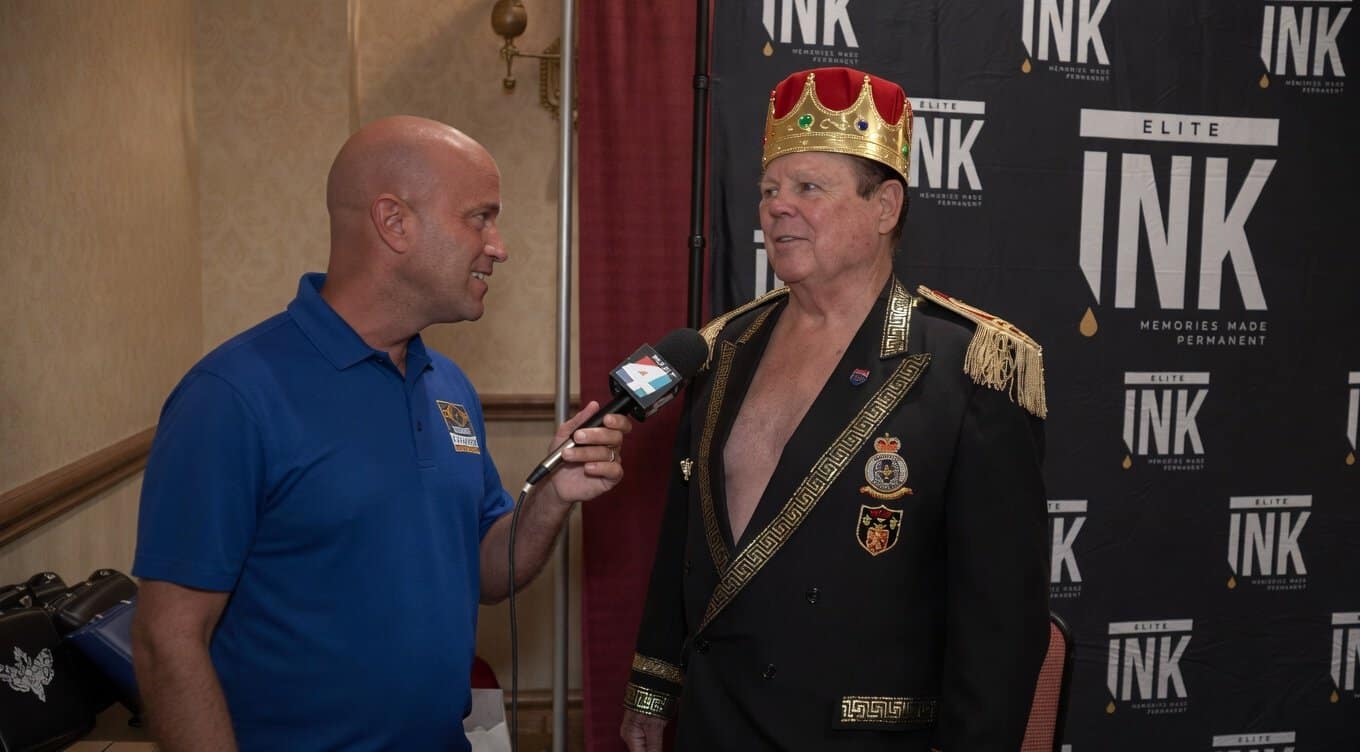
The professional wrestling community is reflecting on the life of Jerry Grey today. Known to generations of fans as “Golden Boy” Jerry Grey, the veteran performer has passed away at 62. His death follows a long, publicized struggle with stage 4 cancer.
Reports confirmed the loss on May 26, 2026. Grey carved out a specific reputation in regional territories, utilizing charisma that often exceeded his technical ceiling. The industry has seen several legends struggle with chronic health issues; Grey’s battle serves as a sobering reminder of the physical and medical toll professional wrestling takes on its athletes over decades.
The human cost behind the curtain
While fans often focus on match quality or booking decisions, the retirement timelines of veterans provide a clearer picture of ring longevity. Just recently, former WWE star Carlito spoke at length regarding his exit from the company and his own future outlook. These narratives of life after the squared circle are increasingly transparent.
Carlito’s recent comments, where he noted that he was never considered one of the “favorites” under the creative direction of Triple H, highlight the friction that often exists between talent and management. It is a recurring theme in modern wrestling journalism. Whether it is an exit from the Judgment Day or the tragic passing of an era-defining name like Grey, the industry moves at a frantic pace that leaves little room for reflection.
Shifting priorities in the wrestling industry
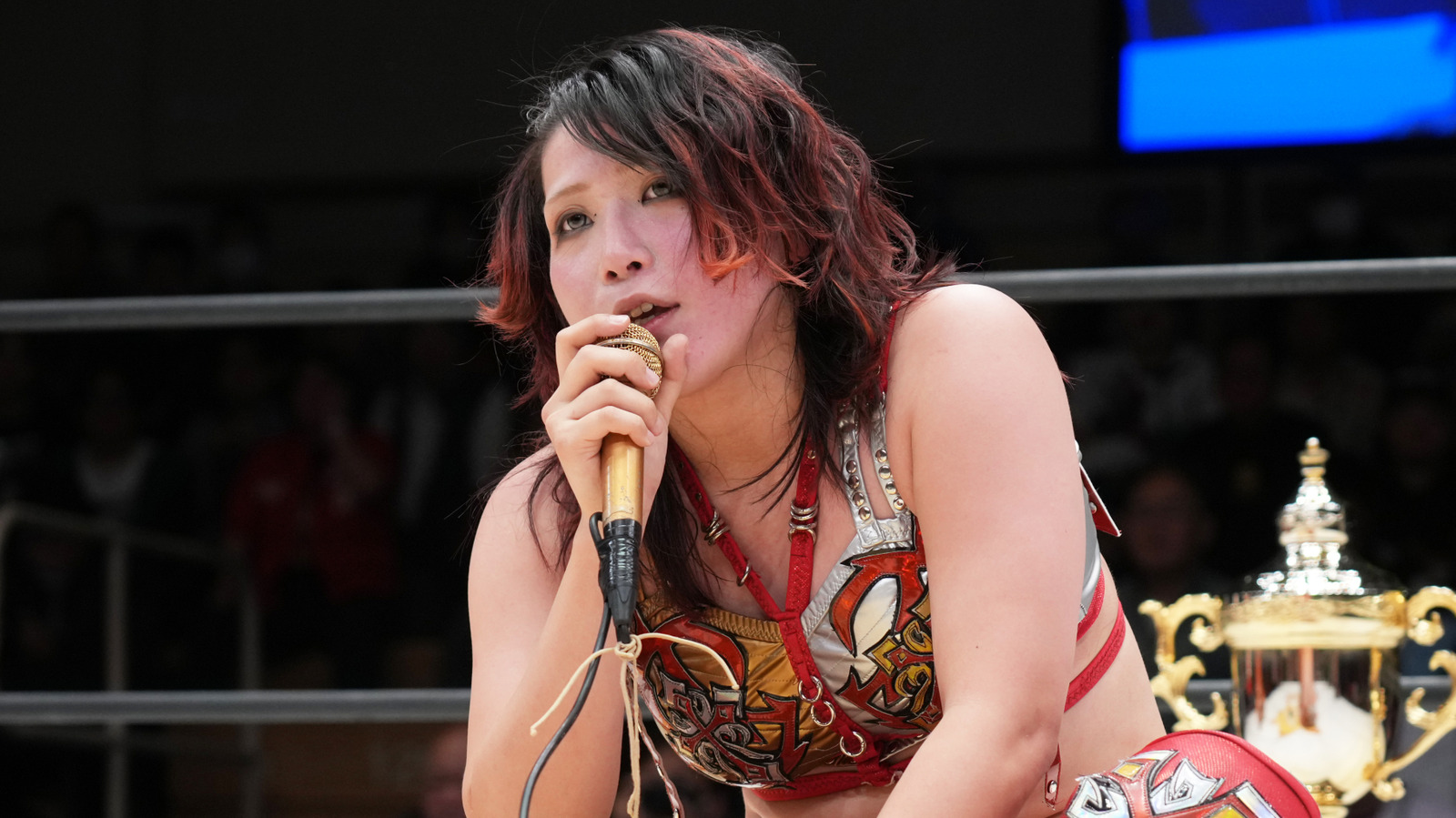
Current booking efforts seem disconnected from the history of legends like Grey. Major promotions are prioritizing high-impact spectacles, as seen with the recent surprise appearances at AEW Double or Nothing. Beth Copeland’s role in that event, coupled with the return of Utami Hayashishita to Stardom, proves that the buzz of the moment remains the priority for executive decision-makers.
The scheduling of these surprise returns, such as Utami Hayashishita confronting Saya Kamitani on Tuesday, serves as a distraction from the somber news cycles. Fans gravitate toward these headline-grabbing stunts. However, the loss of a talent like Jerry Grey forces an acknowledgment of the finite nature of these careers.
Critical observations on talent management
The industry remains flawed in how it handles its aging talent pool. While promotions are quick to capitalize on nostalgia—bringing back stars for massive pops—they are often criticized for their lack of long-term medical support or mentorship for those no longer in the public eye. Grey’s private battle with cancer, away from the spotlight, contrasts sharply with the glitz of current pay-per-view events.
There is a recurring issue with missed opportunities in how companies value the veterans who built the foundations of different promotions. Whether it is the creative friction documented by performers like Carlito or the isolated way former stars exit the company, there is a clear divide in how corporations treat the brand versus the human. Wrestlers are not assets to be discarded once their momentum slows, yet the current booking trend suggests that is exactly how they are treated.
The impact of losing a figure like Grey is felt most by fans of the territory era. It is a fading demographic, much like the style of wrestling Grey mastered. As the sport moves toward 16 days away from the FIFA World Cup kickoff and other massive global spectacles, the traditional wrestling narrative feels increasingly quiet in comparison. We are left with a 62-year-old icon who spent his final months fighting the most difficult opponent of his life, a reality that no booking committee can fix.