
Punk and Reigns face off on Raw and the timing is completely deliberate
The ghosts of 2014 finally meet the modern era
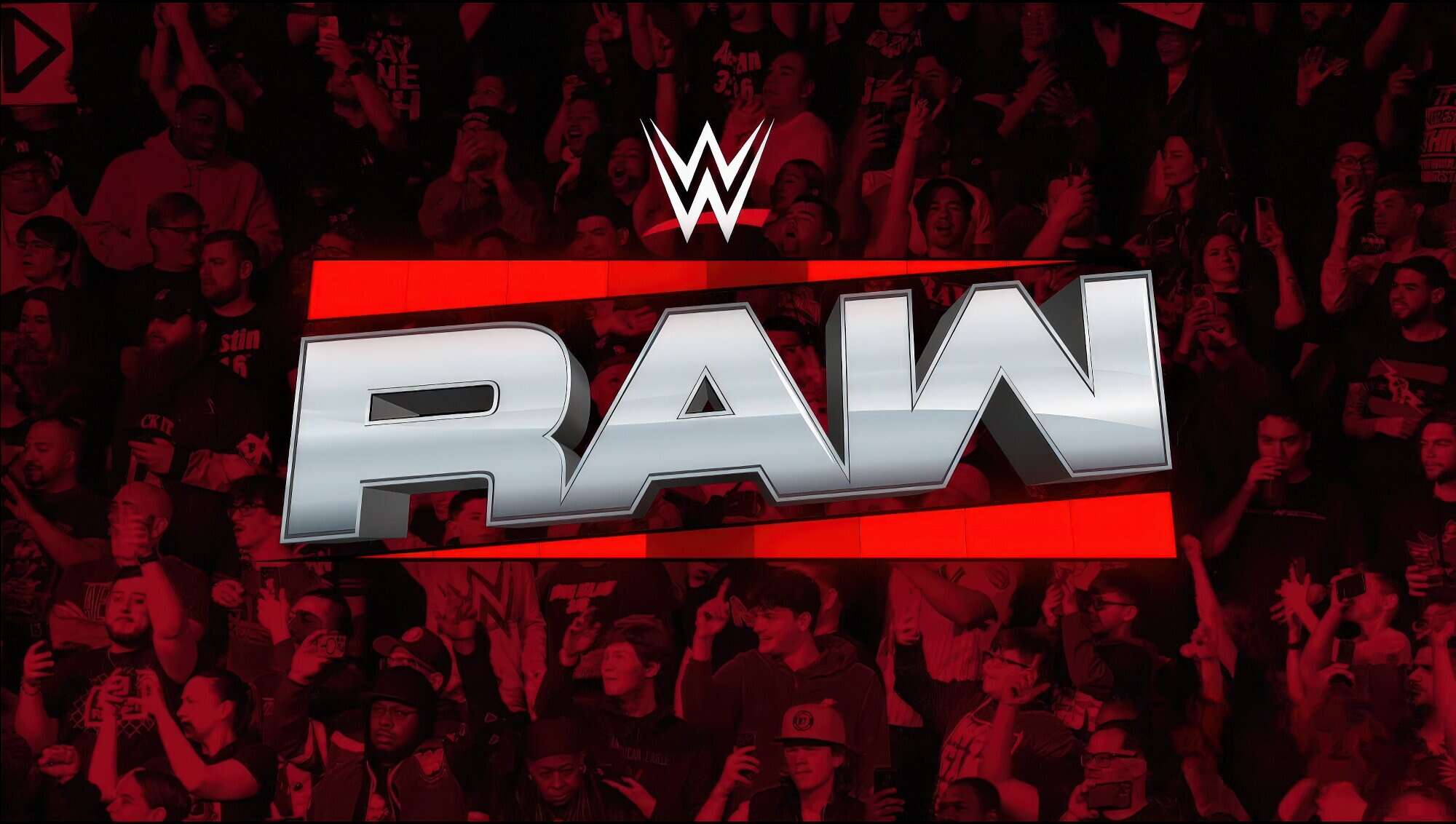
The collision was always inevitable, but the venue is a genuine surprise. WWE has decided to pull the trigger on a face-to-face segment between Roman Reigns and CM Punk on Monday Night Raw. The news, confirmed via WrestlingNews.co, sets the stage for a fascinating clash of styles.
You have to rewind to January 2014 to understand the mechanical weight of this interaction. That was the Royal Rumble where Punk walked out of the company. It was also the exact match where Reigns broke the elimination record, tossing out 12 men and signaling his arrival as the chosen one. They were passing ships in the night.
Punk left because he was physically broken and creatively frustrated by the machine. Reigns became the machine. That fundamental ideological difference is the engine driving this entire angle.
WWE booking under Paul Levesque usually relies on slow, methodical builds. Putting this confrontation on free television instead of saving it for a premium live event suggests a distinct tactical pivot. They need a massive quarter-hour rating, and they are using their two most protected assets to get it.
The Paul Heyman variable
You cannot dissect this matchup without examining the manager who shaped both men. Paul Heyman is the narrative bridge. Punk's historic 434-day title reign was defined by Heyman's frantic, used-car-salesman energy acting as a shield for Punk's straight-edge arrogance.
Reigns, conversely, utilized Heyman as a mafia consigliere during his staggering 1,316-day run as the Tribal Chief. Heyman didn't speak for Reigns; he validated him. The structural difference in how these two wrestlers utilized the exact same manager tells you everything about their character psychology.
Punk operates with a desperate, urgent cadence. He wants you to believe every word is unscripted. He drops inside baseball terms, references backstage politics, and physically paces the ring like a caged animal.
Reigns is the polar opposite. He uses silence as a weapon. He takes three minutes just to walk to the ring, forces the crowd to acknowledge him, and speaks in slow, measured tones. He is a cinematic villain forced into a live sports entertainment environment.
The risk here is immense. If Punk goes rogue and drops a worked-shoot monologue, Reigns cannot simply stand there and slowly raise an eyebrow. The pacing clash could easily make Reigns look foolish if he doesn't match Punk's verbal velocity.
Where the booking falls apart
This is where we must look critically at how WWE stages these encounters. The modern WWE promo segment is deeply formulaic. Wrestler A speaks for five minutes. Wrestler B interrupts. They trade barbs until a physical altercation or a fade to black.
If they script this heavily, Punk loses his entire edge. His appeal is his danger. When he returned at Survivor Series in November 2023, the electricity was entirely based on the idea that he might do something unapproved. Scripting a neat, back-and-forth dialogue strips the teeth from the interaction.
Furthermore, Reigns has occasionally struggled when opponents refuse to play his slow-burn game. John Cena routinely carved him up on the microphone by ignoring the Bloodline mythology and pointing out the man behind the curtain. Punk is entirely capable of doing the same thing.
If Punk highlights the heavily protected nature of Reigns' schedule or the repetitive finish of his matches, the mystique shatters. WWE has spent years insulating Reigns from valid criticism within the storyline. Punk is not the kind of performer who will ignore the obvious flaws in his opponent's armor.
Tactical implications for the ring
Eventually, this leads to a bell ringing. The physical matchup is just as jarring as the verbal one. Punk is an aging gunslinger. His current run has been defined by gritting through injuries, utilizing ring psychology, and relying on his grappling base to survive against younger, faster athletes.
Reigns wrestles a distinct, heavyweight main-event style. It is heavily reliant on explosive bursts—the Superman Punch, the Spear, the Drive-By dropkick. He paces matches slowly, resting between high-impact moves to let the crowd react.
Punk will want to chain wrestle. He will look for the Anaconda Vise or target a limb. Reigns will want to brawl and hit big power moves. The agent producing this match will have a nightmare trying to blend these two distinct match structures.
The danger of blowing the peak too early
Why put this segment on Raw now? The television rights landscape is shifting, and WWE is aggressively front-loading its weekly shows. However, giving away the first visual of Punk and Reigns staring each other down on a random Monday in February feels slightly desperate.
These are the two biggest merchandise movers and needle-movers in the industry. The first staredown should happen at the end of a Royal Rumble or closing out a major stadium show. Burning the initial face-to-face pop to pop a cable rating is a questionable allocation of resources.
WWE has a habit of rushing the first chapter to secure a quick win, then struggling to stretch the middle act over three months of television. If they say everything that needs to be said on Raw, what is left for the actual contract signing?
They need to leave meat on the bone. If Punk simply airs his grievances and Reigns hits a single Spear, they have shown their entire hand. The smartest play is a physical standoff with zero contact. Let the crowd dictate the volume. Let the silence do the work.
A battle for the soul of the company
Ultimately, this segment is about validation. Punk returned to prove he was right all along—that he was the true draw, the top guy that the corporate structure initially rejected. Reigns is there to defend the empire he built in Punk's absence.
It is the indie darling who broke the system versus the corporate chosen one who perfected it. The dynamic is flawless on paper. But execution is everything in professional wrestling.
If the writers stay out of the way, this could be the most compelling television of the year. If they over-produce it, it will just be another heavily sanitized argument over who gets to close the show. We will find out exactly what kind of leash Levesque is willing to give them.
McDavid Knee Brace with Stays Support for Wrestling and Contact Sports
Pro-level joint support for when you're hitting the amateur mats or the gym.
Frequently Asked Questions
Why is the face-off between CM Punk and Roman Reigns considered a major tactical risk?
What is the historical significance of January 2014 regarding CM Punk and Roman Reigns?
How did Paul Heyman influence the character psychology of both CM Punk and Roman Reigns?
Why did WWE choose to put this confrontation on Monday Night Raw instead of a premium live event?
What are the risks of heavily scripting the promo between CM Punk and Roman Reigns?
More Coverage

Drew McIntyre sidelined following brutal SmackDown encounter
an hour agoWWE's New York gamble is a calculated risk ahead of WrestleMania 42
2 hours ago
WWE's Saturday Night's Main Event math doesn't add up
2 hours agoWWE's return to New York changes the math on stadium attendance
2 hours ago
Top 10: Top Moments from MSG
2 hours ago
SmackDown is drifting into mid-summer malaise
3 hours agoMore Analysis
Roman Reigns meeting CM Punk on Raw is WWE's ultimate heat check
3 months, 3 weeks ago
CM Punk and Roman Reigns are on a collision course that will tear Raw apart
3 months, 3 weeks ago
CM Punk and Roman Reigns are finally set to collide on Raw
3 months, 4 weeks ago
Roman Reigns vs CM Punk is the collision course WWE needs right now
3 months, 3 weeks ago