The physics of a super heavyweight impact
If you strip away the bright lights of Las Vegas and the aggressive marketing push, PowerSlap is essentially an experiment in human durability. We are looking at men who have bypassed the defensive arts of combat sports entirely. There is no head movement here. There is no rolling with the punch or slipping off the center line.
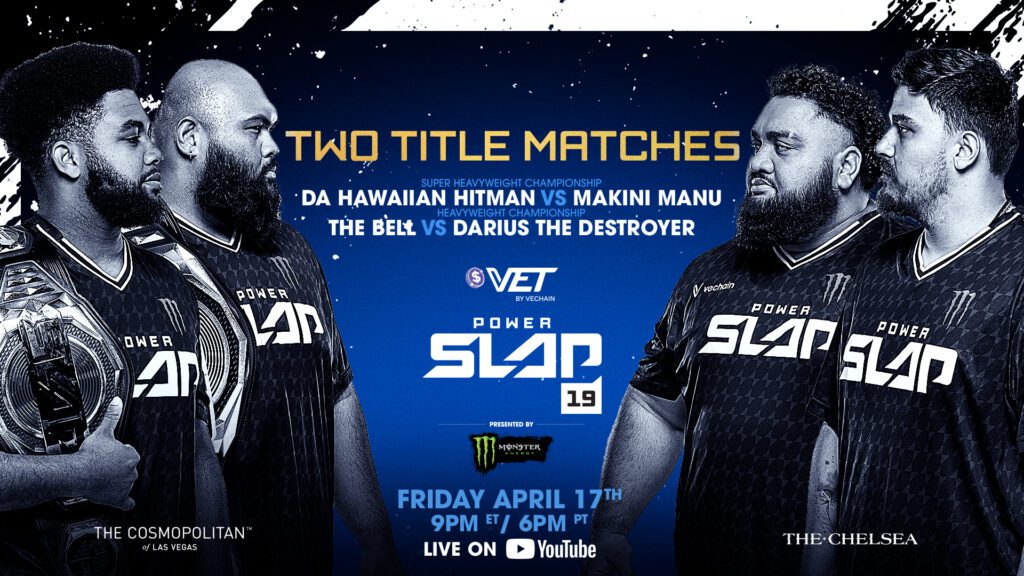
You stand on your mark, put your hands behind your back, and let another grown man swing his open hand at your jaw with everything he has. When that man is "Da Hawaiian Hitman" Dayne Viernes, the math gets terrifying. We are talking about the Super Heavyweight Championship.
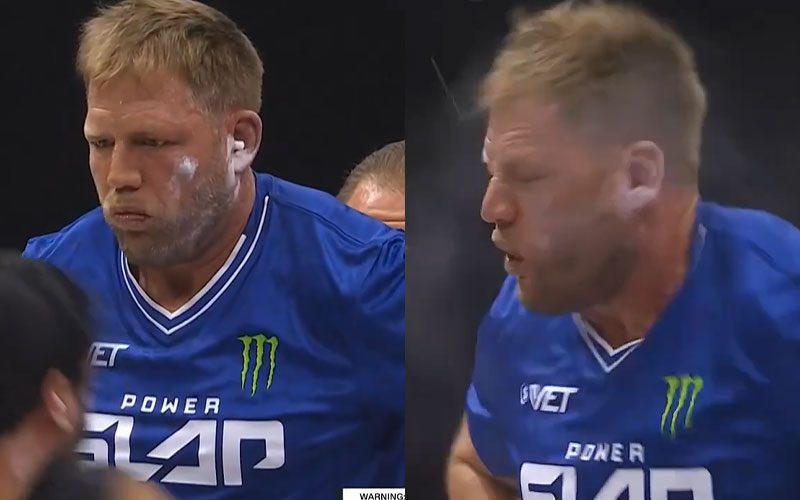
Viernes doesn't just hit; he displaces air. His wind-up is a study in torque, generating power from his base, twisting his hips, and whipping his shoulder forward before the hand even makes contact. The sheer mass involved means the kinetic energy transfer is catastrophic. You aren't just taking a slap. You are taking a car crash to the side of the face.
In previous outings, Viernes has shown a disturbing ability to find the exact target zone. He rarely gets called for clubbing—the illegal use of the palm heel—which means his strikes are clean, legal, and devastating. He snaps the neck back with a frightening whip effect.
Makini Manu faces an impossible equation
So how does Makini Manu prepare for this? The reality is, you can't spar for PowerSlap. You can't drill taking a full-force blow to the chin. Manu's only defense is his neck stability and his jaw strength. He has to anchor his feet, tense his traps, and pray the lights stay on when Viernes connects.
Manu has raw power of his own, but this match will likely come down to the coin toss. In this promotion, going first is an absurd advantage. If Manu wins the toss, he has to end it immediately. He cannot afford to let Viernes take a turn. If Viernes goes first, Manu's night might end before he even gets to chalk his hands.
The psychological toll of standing at that podium cannot be overstated. In traditional combat sports, adrenaline masks the fear. You are moving, reacting, grappling. In PowerSlap, you are forced into a state of passive acceptance. You watch the man across from you cover his hand in chalk. You watch him take his practice swings. You know exactly what is coming, and you are forbidden by the rules from doing anything to stop it.
This forced anticipation breaks fighters before the hand even connects. We have seen competitors step up to the mark with a vacant stare. Their nervous system is already shutting down in self-defense. Manu has to conquer his own biology before he even takes the hit. He must suppress the deep evolutionary instinct to flinch, duck, or raise his hands.
When Viernes measures his strike, he takes his time. He taps the cheek. He looks his opponent in the eye. It is calculated intimidation. He knows that if he can make Manu tense his neck a fraction of a second too early, the muscles will exhaust themselves by the time the actual blow lands. A relaxed neck takes the impact worse, causing the head to whip violently and the brain to slosh against the skull.
The Heavyweight division offers a different kind of violence
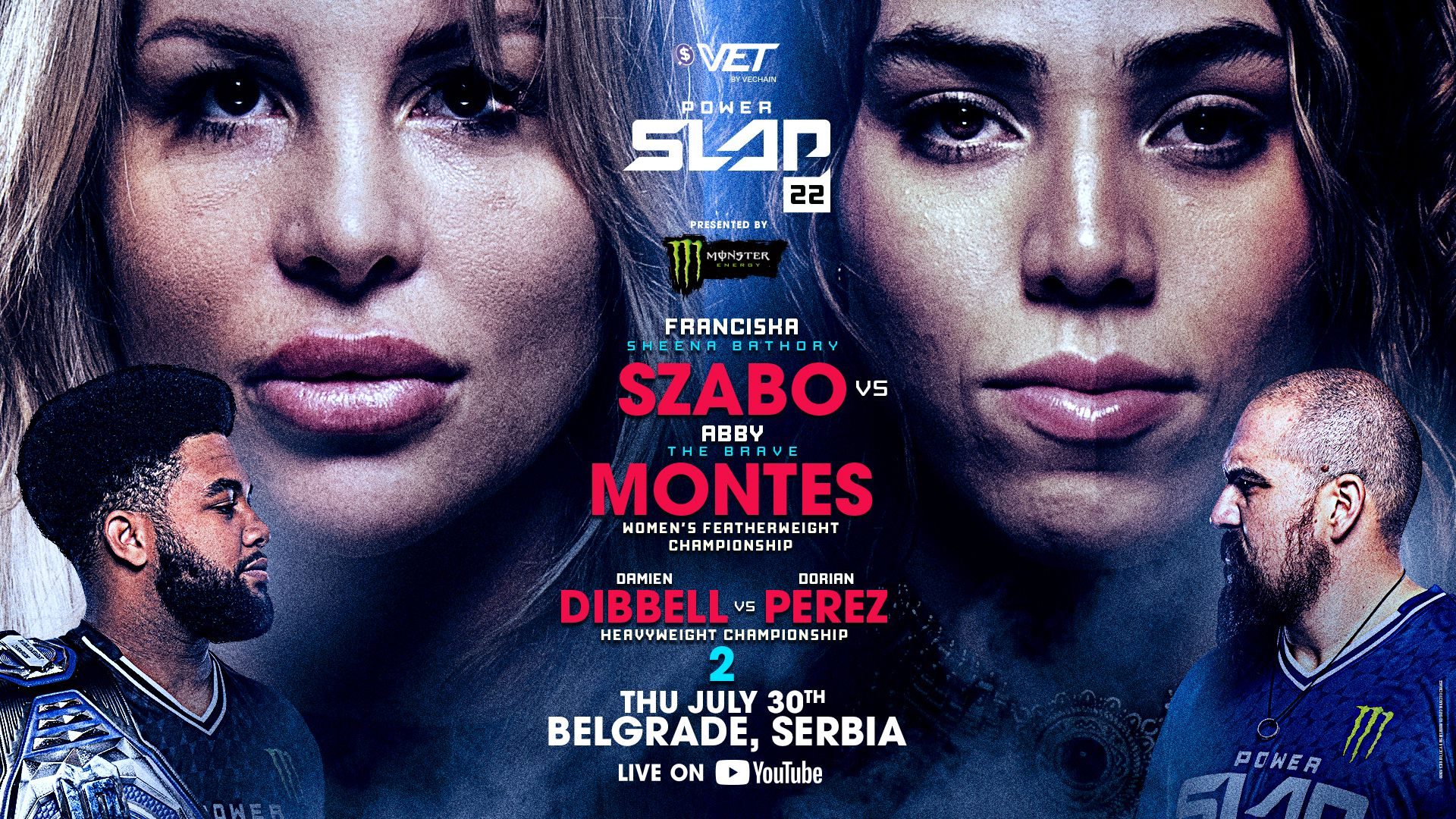
While the super heavyweights bring the circus freak-show element to the table, the co-main event is where the actual mechanics of this bizarre sport shine. As the pre-fight reports highlighted, Damien Dibbell is putting his Heavyweight Championship on the line against Darius Ma. Dibbell is undefeated for a reason. He is the closest thing PowerSlap has to a technician.
Dibbell understands the scoring criteria better than almost anyone on the roster. He knows exactly where to place his feet to maximize rotation without stepping out of the box. His strikes are fast, snapping across the face rather than pushing through it. This creates that concussive shockwave that shuts off the brain's lights, rather than just breaking the jaw.
Darius Ma brings chaos. He is less refined but incredibly durable. We watched him eat massive shots in his previous matchups and simply smile back at the striker. But durability here has an expiration date. You can only cash those checks so many times before the bank comes calling.
Damien Dibbell understands this pacing perfectly. The undefeated Heavyweight champion doesn't just hit hard; he manages the clock. When it is his turn to receive a strike, he uses the full 30 seconds allowed to step up to the barrel. He breathes deep, lowers his heart rate, and forces Darius Ma to wait. He cools his opponent off.
Darius Ma runs hot. He feeds on momentum. By slowing the game down, Dibbell disrupts Ma's rhythm. Ma wants to hit, scream, and hit again. He wants a brawl. Dibbell forces him into a slow, agonizing chess match where the only moves are concussions.
If Ma tries to rush his strikes, he will make mistakes. He will clip the ear. This is a major foul that results in point deductions and potentially a disqualification if the doctor steps in. The ear strike bursts eardrums and ruins equilibrium. Dibbell knows that if he just stands in the pocket and plays by the rules, Ma will likely defeat himself.
The uncomfortable reality of the spectacle
It is impossible to preview this event without addressing the glaring issues at its core. Breaking down the tactics of taking an undefended blow to the head feels inherently wrong. There is no sport here in the traditional sense. It is a contest of who can sustain the most brain trauma before collapsing.
The pacing of these broadcasts is often agonizing. The long pauses between strikes, the medical checks, the replays of guys stiffening up and falling backward. It lacks the dynamic flow of mixed martial arts or boxing. It is purely episodic violence.
Furthermore, the judging criteria remains frustratingly opaque. What differentiates a 10-9 round from a 10-8 round when both men successfully land their strikes? The subjective nature of damage when both competitors are physically forced to absorb the hit makes the scorecards a complete guessing game. If neither man is knocked out, deciding the winner often feels like flipping a coin in the back room.
We watch it because we are drawn to the visceral knockouts. But pretending this is a refined athletic endeavor is a stretch. It's an endurance test masquerading as combat.
Key technical fouls that decide matches
In a sport with no defense, the rules governing the offense are incredibly strict. A single mistake changes the entire outcome of the fight:
- Clubbing: Striking with the palm heel instead of the flat hand. It turns a slap into a palm strike.
- Stepping: Both feet must remain firmly planted during the strike. Lifting the back foot invalidates the power.
- Flinching: The defender cannot tuck their chin or raise a shoulder. They must present a clean target.
Final Predictions for Las Vegas
When the powder flies off the chalked hands tonight, watch the feet. A striker's base tells you everything about the incoming blow. Viernes keeps his feet glued to the floor. He uses his entire body weight, shifting it perfectly from back to front at the moment of impact.
Also, pay attention to the recovery periods. Fighters are given exactly 60 seconds to recover after taking a strike and establishing their footing. How Manu looks at the halfway mark will tell you if he's actually ready to strike back, or if the lights are on but nobody is home.
Makini Manu is tough, but toughness is a liability when you are standing across from Dayne Viernes. You cannot tough your way through a super heavyweight impact. The physics simply do not allow it. Viernes is going to find the sweet spot on the jawline, and the sheer rotational force will be too much.
I expect Viernes to end it early. If he wins the coin toss, it is over in the first round. If Manu strikes first, he might stagger Viernes, but I don't see him generating the concussive force needed for a one-shot finish.
In the Heavyweight bout, Dibbell's composure will be the deciding factor. Ma is wild, and his tendency to foul will hurt him. Dibbell will take a measured approach, land clean, legal strikes, and either win a clear decision or secure a late-round stoppage when Ma's chin finally gives out.
It will be violent. It will be uncomfortable to watch at times. But when the dust settles, Dayne Viernes will still hold the Super Heavyweight Championship, solidifying his status as the most terrifying man in the promotion.