Measuring the gravity of wrestling's peaks
History is built on moments that shifted the cultural trajectory of the industry. These ten entries represent precise instants where the business moved from back-alley theater to mainstream spectacle. Every selection here is judged on its long-term impact on the product rather than simple spectacle.
The definitive list
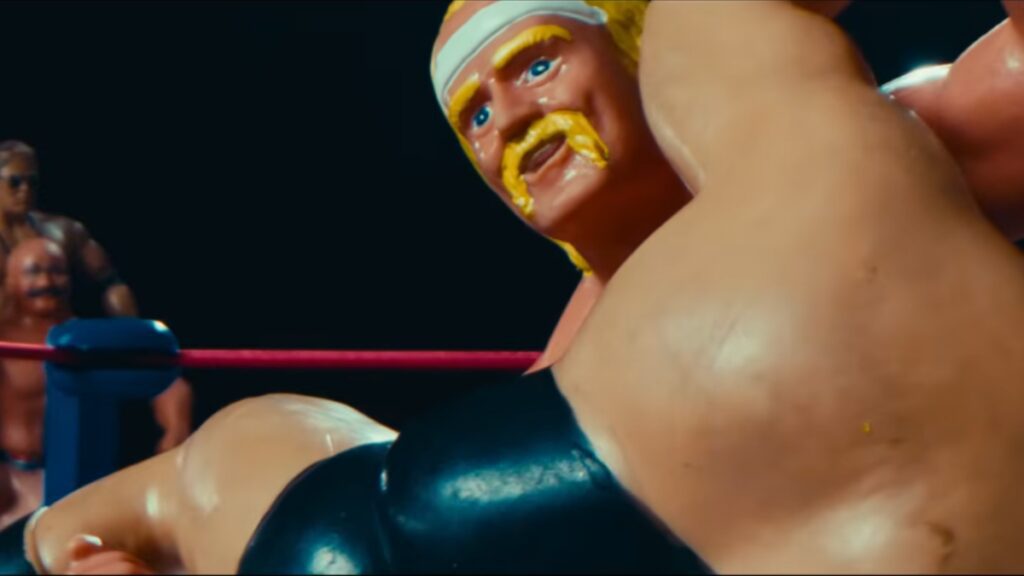
1. Hulk Hogan slams Andre the Giant, WrestleMania III. This moment functioned as the birth certificate for modern professional wrestling as a global brand. Hogan hoisting the 520-pound Andre at 12 minutes in remains the industry's most recognizable image. Without this slam, the regional territory war likely lasts another decade.
2. Mankind takes the bump off the Hell in a Cell cage, King of the Ring 1998. Mick Foley famously plummeted 16 feet onto the Spanish announce table during the opening minutes of this match. It changed the industry's tolerance for violence overnight. Critics argue the physical toll was too extreme, setting a dangerous precedent for future talent health.
3. The Montreal Screwjob, Survivor Series 1997. This incident blurred reality and fiction in ways that defined the Attitude Era. When Bret Hart lost his title due to an unscripted referee decision, it killed the babyface prototype forever. It stays at rank three because its influence on character arcs persists to this day.
4. Steve Austin refuses to submit to Bret Hart, WrestleMania 13. The double-turn in the submission match established the anti-hero blueprint. Austin fading while blood ran from his forehead remains the ultimate visual of pure grit. It outranks other classics because of how effectively it positioned Austin for his 1998 ascent.
5. The debut of Chris Jericho on Raw, August 1999. Jericho interrupted The Rock with unmatched charisma, instantly signaling a shift toward younger talent. It is widely considered the best crowd pop for a newcomer in history. This arrival proved that raw promo ability could carry a mid-carder into the main event slots.
6. Ric Flair vs. Ricky Steamboat, Chi-Town Rumble 1989. For pure work rate, this trilogy is the gold standard for every independent promotion that followed. They prioritized crisp technical sequences over gimmicks or blood. While it lacks the mainstream recognition of Hogan moments, it remains the primary reference point for today's elite technical performers.
7. The nWo formation, Bash at the Beach 1996. When Hulk Hogan joined Kevin Nash and Scott Hall, it marked the first time the industry saw a genuine heel takeover of a rival promotion's identity. The angle spawned a multi-year ratings war that forced WWE to move toward more adult, aggressive programming. It takes the seventh spot only because the subsequent booking became bloated and unfocused.
8. Shawn Michaels and Razor Ramon, WrestleMania X. This ladder match introduced a vertical element that forever changed how high-stakes matchups were constructed. Ten wrestlers today owe their entire sequence logic to this one match. It deserves its spot despite the slightly clunky production values compared to modern standards.
9. The Undertaker undefeated streak ending, WrestleMania 30. Brock Lesnar pinning The Undertaker in the 25th minute sent a genuine sense of shock through the New Orleans arena. Many fans still view this loss as a booking mistake that stripped the showcase of its final aura of mystery. Regardless of how you view the decision, it stands as the most jaw-dropping result of the century.
10. Eddie Guerrero and Chris Benoit embrace, WrestleMania XX. Closing the show with two technical masters holding world titles was an emotional capstone to their career paths. It celebrated the independent spirit that bridged the late-90s boom and the current era. It ranks at ten because the later legacies of both men complicate how this moment is viewed today.
Honorable mentions and final perspective
Significant events that missed the cut include the debut of Kane at Bad Blood 1997 and the launch of the ECW invasion angles. Neither reached the consistent long-term ROI of the top ten selections. For further insight on why these eras mattered, Jon Lajoie has noted how these specific 1980s benchmarks frame the current nostalgia cycle. These moments represent a hard baseline for what constitutes a game-changing pivot in the ring. While booking strategies evolve toward data-driven narratives, the physical act of telling a story remains the core engine of the industry.