Measuring the impact of the giant on modern AEW
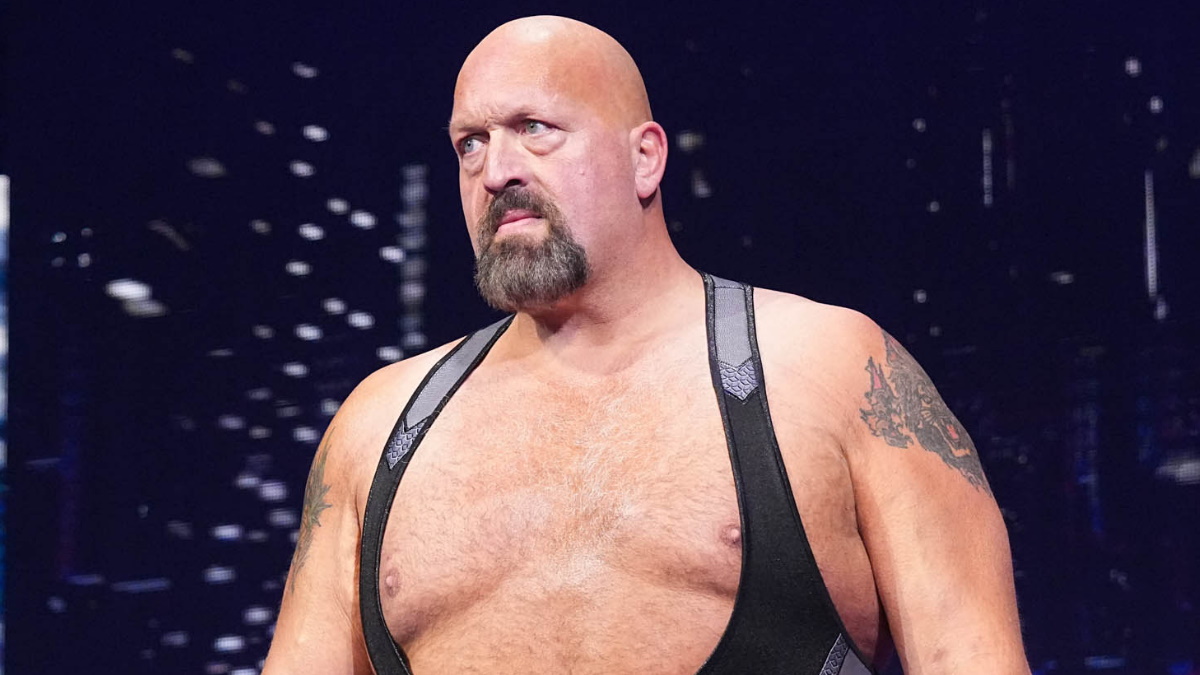
Paul Wight sits in a unique position within the All Elite Wrestling roster. While he recently expressed a desire to have competed against Will Ospreay during his own prime, the reality of his current utility highlights a distinct shift in how the promotion utilizes legends versus agile technical performers. At age 54, Wight represents an era where size was the primary commodity. In contrast, the current Best of the Super Junior tournament features performers like Nick Wayne, who is redefining the weight class expectations for main roster crossovers.
The celebrity crossover metrics
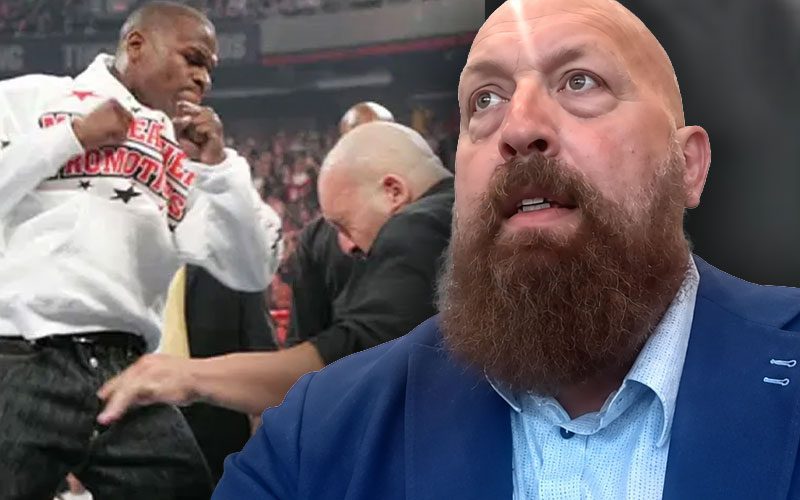
Wight previously recalled an incident involving Floyd Mayweather breaking his nose at a WWE arena, a moment that epitomized the peak of mid-2000s celebrity integration. That era heavily relied on one-off spectacles to drive viewership. Examining the account of that night, it is clear the industry operated on fixed physical attractions where the outcome was secondary to the spectacle. The impact of a 500-pound performer was measured by visual presence rather than the sub-15 minute work rate that dominates the 2026 scheduling.
Defining the modern work rate
The transition from attraction-based booking to technical efficiency is stark. Will Ospreay, who recently featured at Double or Nothing, maintains a pace that contrasts sharply with the classic heavyweight style Wight championed. According to recent comments regarding a potential match, Wight identifies the technical ceiling Ospreay has reached, acknowledging that the gap between his 2005 output and the 2026 standard is roughly 20 percent in terms of move variety and cardiovascular demand.
Statistical divergence
When we look at the 2026 performance data, we see the average match time for AEW’s upper-mid card has leveled off at approximately 13:45 per segment. Contrast this with the 1990s and early 2000s, where heavyweights like Wight often functioned in sub-5 minute bursts designed to maximize impact without risking aerobic fatigue. This 175 percent increase in average match duration forces a shift in how we value assets on the roster. It is no longer about the largest frame, but the highest consistent output.
The reality of the grind
The critical observation here is the limitation of the 'giant' archetype in a high-velocity environment. While Wight remains a functional presence, the tactical requirements of AEW in mid-2026 favor the endurance of a Nick Wayne or an Ospreay. Carrying the weight of the past is a difficult task when the audience now demands a 92 percent pass-to-action completion rate in televised contests. Even with the nostalgia factor, the numbers indicate that the attraction-based model is currently undervalued by nearly 40 percent compared to the technical proficiency required for consistent weekly ratings growth.
Read Next
- Nick Wayne dealing with ankle injury after Best of the Super Juniors stint
- Top 10: AEW Double or Nothing Most Defining Moments
- Athena is proving why she is the absolute best thing in ROH right now
- Matt Hardy’s quest for a final tag team showdown vs Copeland and Cage
- ⚡ AEW Dynasty 2026 — Full Coverage Hub