The Architect of AEW
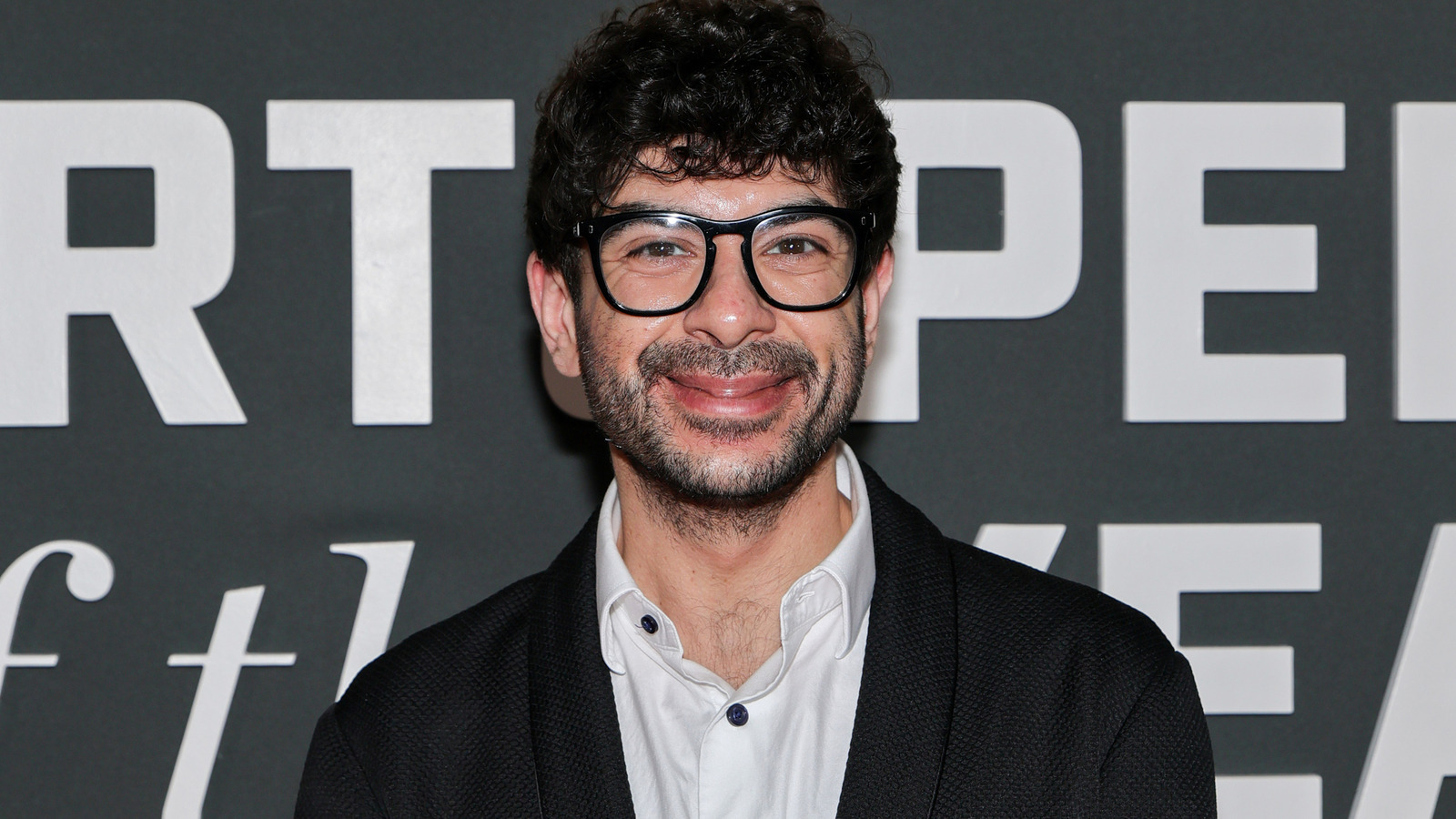
Tony Khan’s management of All Elite Wrestling remains one of the most polarizing topics in modern professional wrestling. While his deep pockets and enthusiasm for the industry are undeniable, his booking philosophy frequently tests the patience of a fanbase that expected a different product than the one currently dominating Wednesday nights.
10. The Anna Jay Contract Strategy
Securing long-term talent is a pillar of Khan’s roster strategy. When he announced that Anna Jay signed a contract extension despite being sidelined with an injury, it showed a clear commitment to depth. Keeping talent off the market prevents rivals from poaching home-grown stars. This move solidifies his reputation for long-view roster building rather than short-term gains.
9. Navigating the Sammy Guevara Uncertainty
Sammy Guevara has been a fixture of AEW television since the promotion’s inception, yet his absence since early June created a vacuum of information. Khan addressed the speculation head-on, confirming Guevara remains part of the long-term plan. This type of direct communication minimizes locker room rumors. It earns its spot because it keeps the asset protected during a period of professional inactivity.
8. The Tay Melo Release Approval
Granting talent their release is a rare move for a promoter hungry for variety in booking. When Khan planned to grant Tay Melo her release, he acknowledged that personal priorities sometimes supersede company needs. This decision highlights a flexible approach to talent relations. It stands in sharp contrast to the rigid contractual demands often seen in major promotions.
7. Defensive Management of Injuries
Managing a roster as deep as AEW's requires a keen eye on physical toll. When Khan revealed that a top-tier performer had been competing through major injuries, it sparked a debate about duty of care. Pushing a headliner through pain is a high-risk gamble. While it maintains viewership for big events, it threatens the long-term viability of the main event scene.
6. The Aggressive Free Agent Pursuit
Khan’s willingness to disrupt the market whenever a name hits free agency is his calling card. He has openly addressed potential signings from the WWE talent pool to bolster his weekly cards. This behavior turns every contract expiry into a public event. However, it leads to a cluttered product where new arrivals often stall within weeks of their debut.
5. The Redemption Media Call Transparency
The Redemption media call served as a masterclass in controlled information flow. By bundling injury updates with contract news, Khan manages the news cycle with precision. It is an effective way to keep journalists focused on his chosen narrative. The lack of surprises during these calls suggests a calculated effort to suppress external negative reporting.
4. Managing the Expansion of the Women’s Division
The development of the women's division remains the most inconsistent facet of his tenure. While he secures signatures, the television time rarely matches the roster depth. Critical observers point to this as the biggest missed opportunity in his booking history. It feels unfinished compared to the high-paced action of the men’s divisions.
3. The 'My Way' Booking Philosophy
There is a distinct stubbornness to how he builds his shows that fans simply have to accept. Some view it as a singular vision, others as a lack of editorial filtering. This approach results in high-octane matches that lack the foundational storytelling of 1980s southern wrestling. It is his show, and he is undeniably the sole curator of its success and failure.
2. Media Relations Overhauls
Khan understands that the public perception battle is fought on social media as much as on television. His public dismissal of rumors acts as a shield for the company’s reputation. Whether he is dealing with Guevara’s contract status or general roster instability, his voice remains the final word. It minimizes the influence of external media noise.
1. Establishing the AEW Brand Identity
The number one achievement is building a promotion that occupies a distinct space in the industry. By blending international styles with domestic television production, he created a counter-culture product. Despite the criticism of his booking style or roster management, he successfully launched the first viable competitor to the established order in two decades. It is a defining legacy that even his strongest detractors must recognize as the ultimate impact of his tenure.
Honorable Mentions
The development of original tournament formats and the strategic use of cross-promotional partnerships remain secondary wins. His decision to maintain the current roster density is also a notable management choice. These elements keep AEW relevant even when individual weekly shows falter under the weight of high expectations.