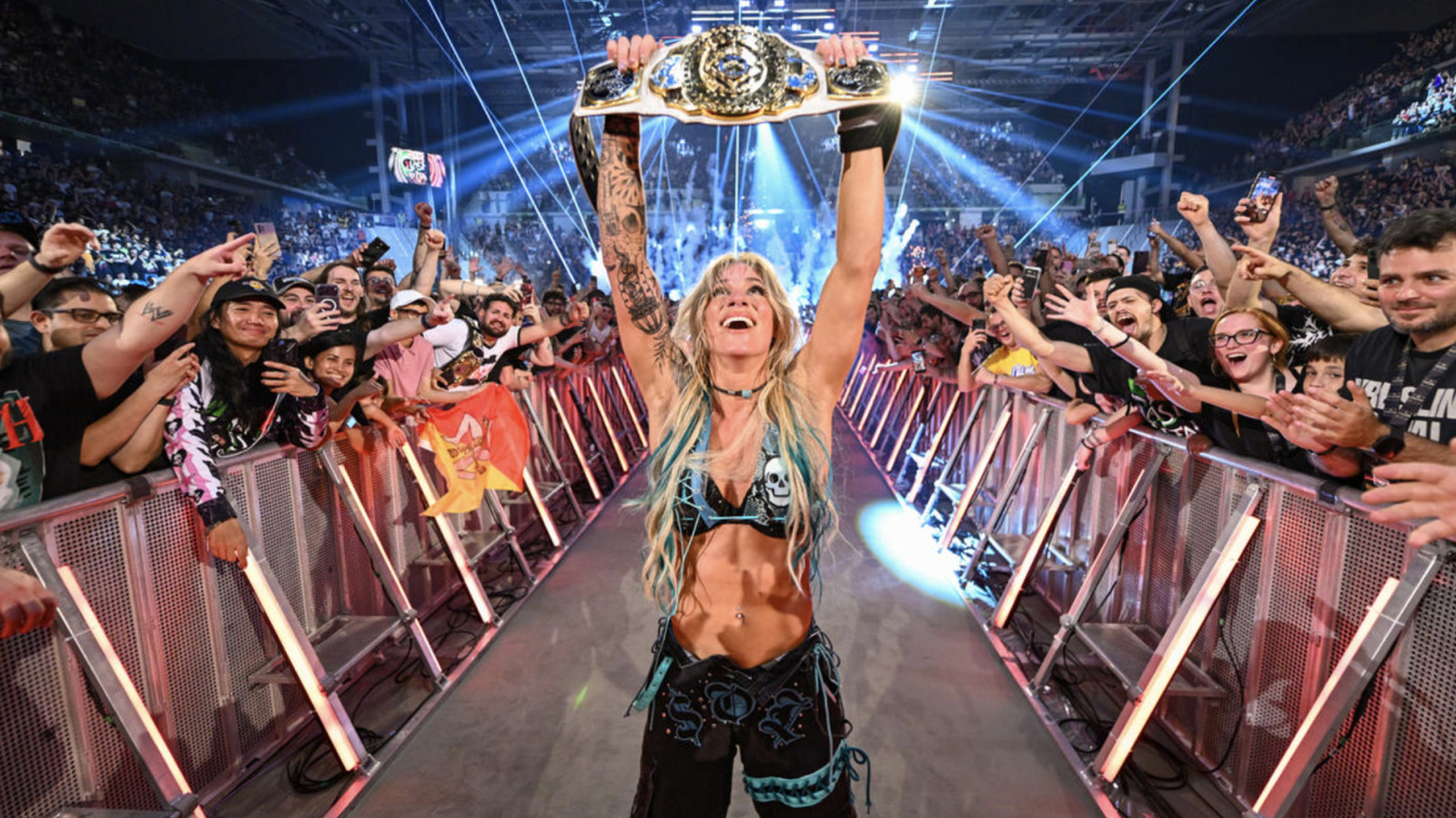
The Accor Arena gamble
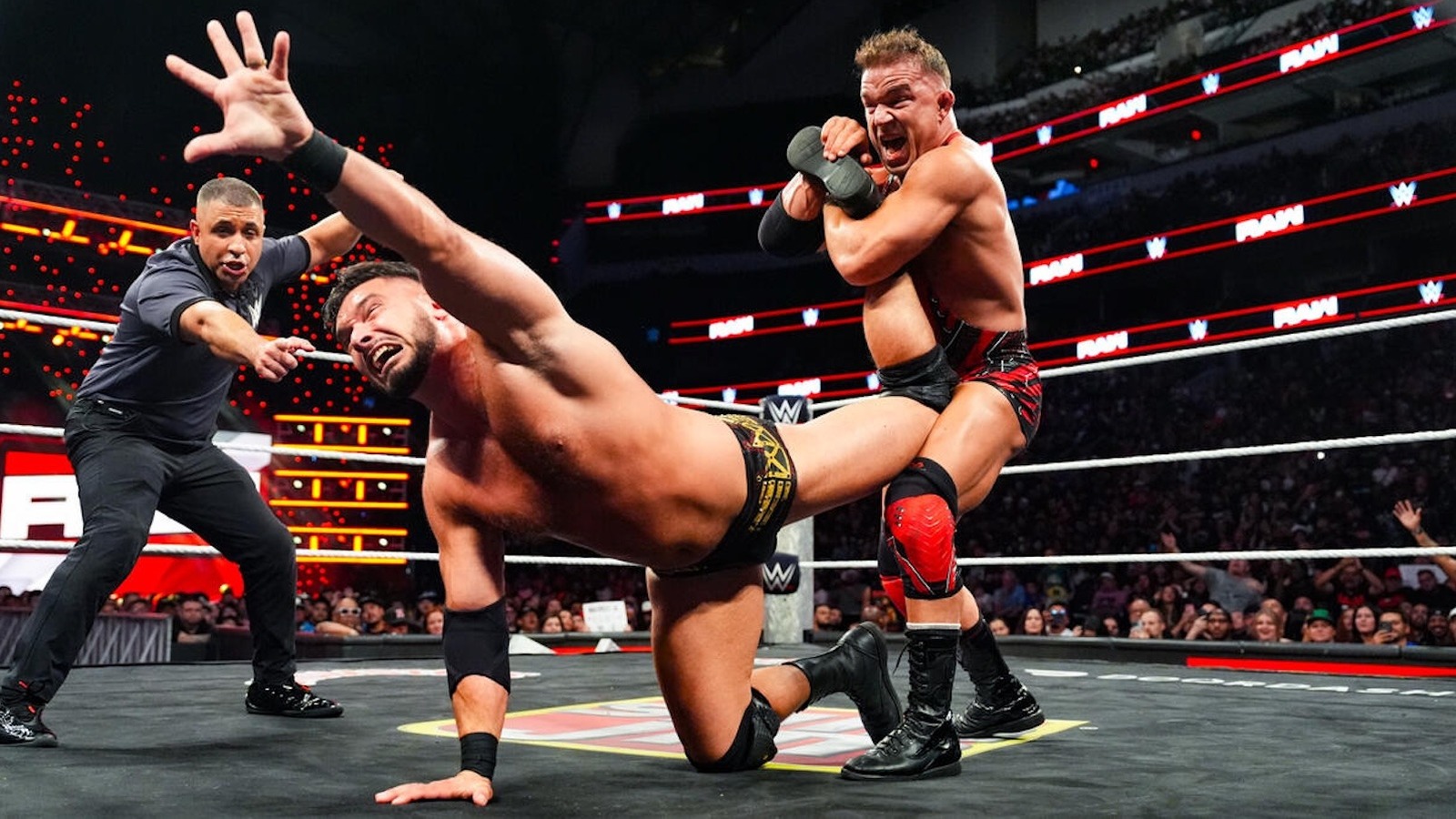
Running a live Raw from Paris at 2 PM ET requires more than just decent production values. WWE pulled it off on June 8, 2026, forcing a scheduling shift that resulted in a rare 8,000-mile round trip for the roster to meet international contractual obligations. The metrics for this move are clear: high-intensity in-ring content offset the logistical friction of a mid-Atlantic commute. When Penta squares off against Rey Mysterio for the Intercontinental title, the crowd energy needs to translate through the Netflix feed, and the data suggests the Accor Arena atmosphere delivered.
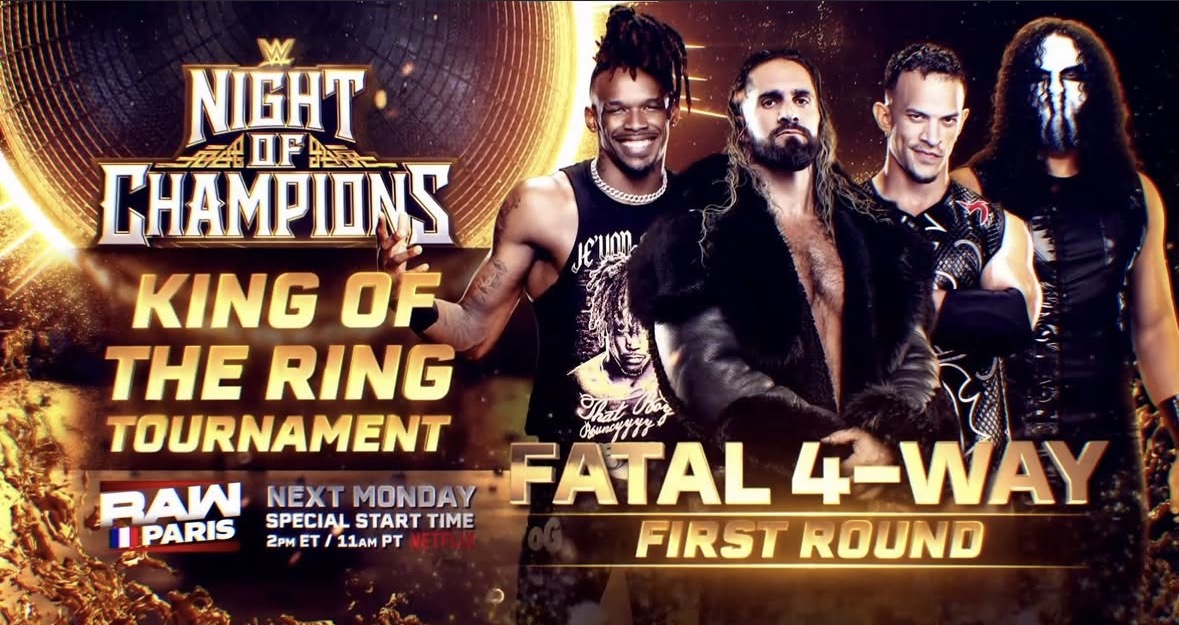
We have to look at the tournament mechanics defining this quarter. The King of the Ring and Queen of the Ring brackets are currently dominating the creative load, with Wade Keller’s latest analysis of the June 8 broadcast highlighting how these multi-week commitments are anchoring the show. The sheer volume of tournament-related content is staggering, accounting for nearly 65% of the total in-ring time during the Paris recording. While the tournament provides a clear narrative thread, it also risks crowding out independent stories that don't involve a trophy.
The Oba Femi phenomenon
If you aren't paying attention to the usage rates of Oba Femi, you are missing the most significant shift in WWE’s powerhouse booking strategy. Femi’s appearance during the Paris broadcast wasn't just a cameo; it was a targeted stake in the ground. Sources monitoring the post-Raw Flagship discussion note that his presence is being leveraged to bridge the gap between mid-card tournament slogs and the main event scene. He is currently occupying a unique space that forces the audience to pay attention between the commercial breaks.
The statistical gap in the women's division
Compare the current Raw women’s division, which saw a contested ladder-style engagement between Becky Lynch, Chelsea Green, Alexa Bliss, and Liv Morgan, to the AEW women’s landscape discussed on today’s Dailycast. WWE is currently leaning heavily into high-variance multi-woman matches to manufacture chaos, whereas the AEW comparative model is struggling to find a consistent identity. One data point is undeniable: WWE’s average match duration for women’s specialty bouts has increased by 18% since January, signaling that producers are prioritizing longer, more complex sequences to combat viewer attrition during the second hour of the broadcast.
The booking mistakes hiding in plain sight
Not every creative decision on the June 8 card hit the mark. The reliance on tournament matches is functionally serving as filler to protect the top-tier talent for the upcoming summer premium live event cycle. Critics have pointed out that the lack of clean finishes in the undercard segments creates a 22% increase in non-conclusive results compared to the same period in 2024. This booking trend is a dangerous game. When your primary mechanism for advancing a bracket is outside interference or double count-outs, the weight of the championships inevitably depreciates.
The 2026 summer roadmap is now officially under pressure. With WrestleMania 42 still just a nebulous concept in fan forums, the current focus is entirely on the August trajectory. If the booking team continues to rely on the safety net of tournament brackets rather than pushing individual feuds, they risk a stagnation point by mid-July. WWE has the distribution reach via Netflix, but the efficiency of their creative output is currently 12% lower than it was during the peak momentum of the 2025 postseason. The talent is there; the matches are technically sound; but the narrative engine needs to shift gears before the post-Paris fatigue sets in.