The illusion of laziness
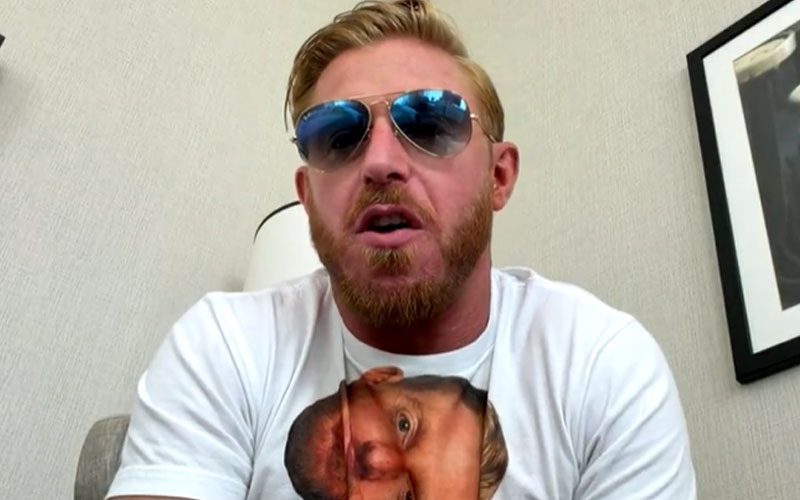
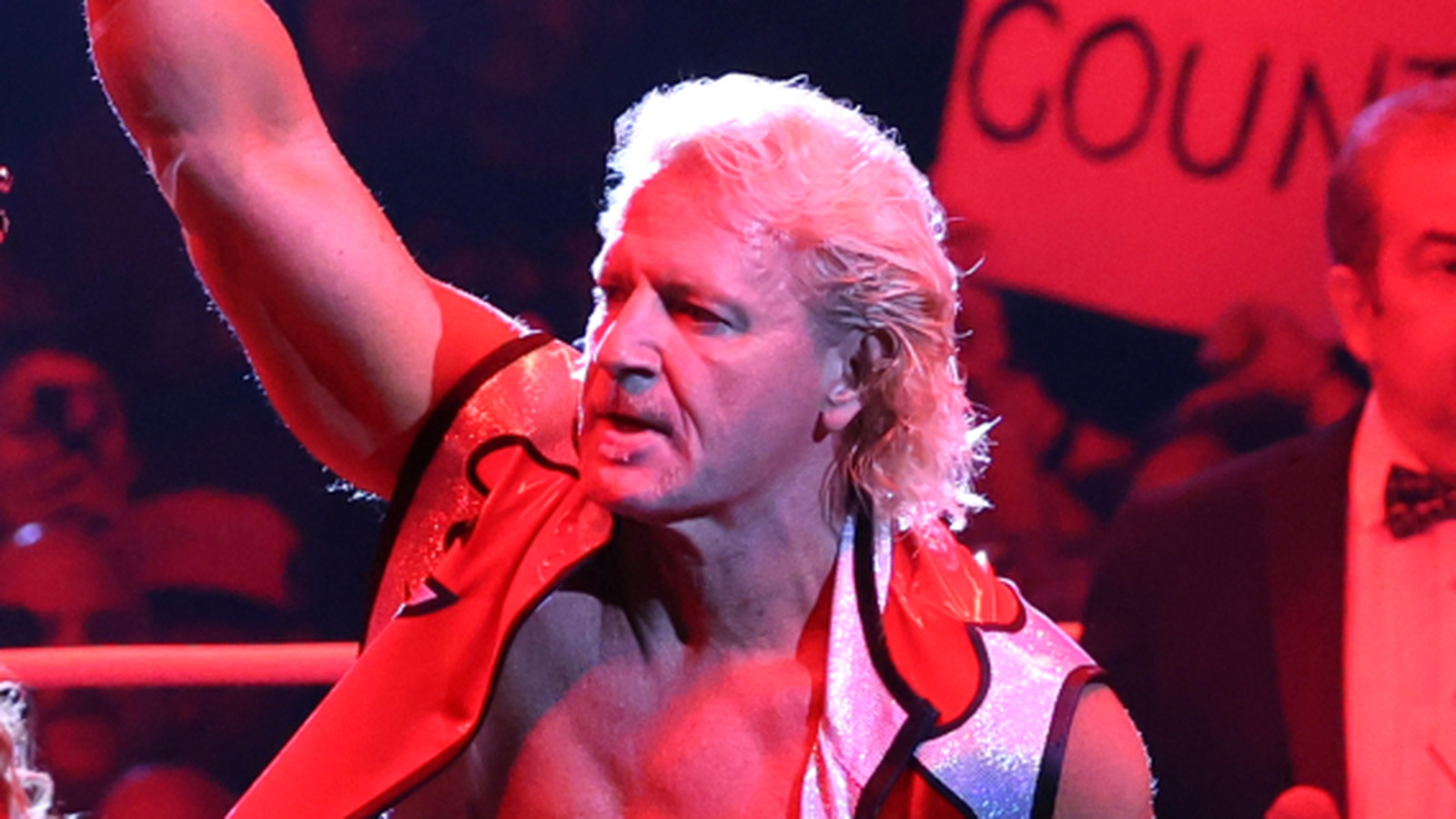
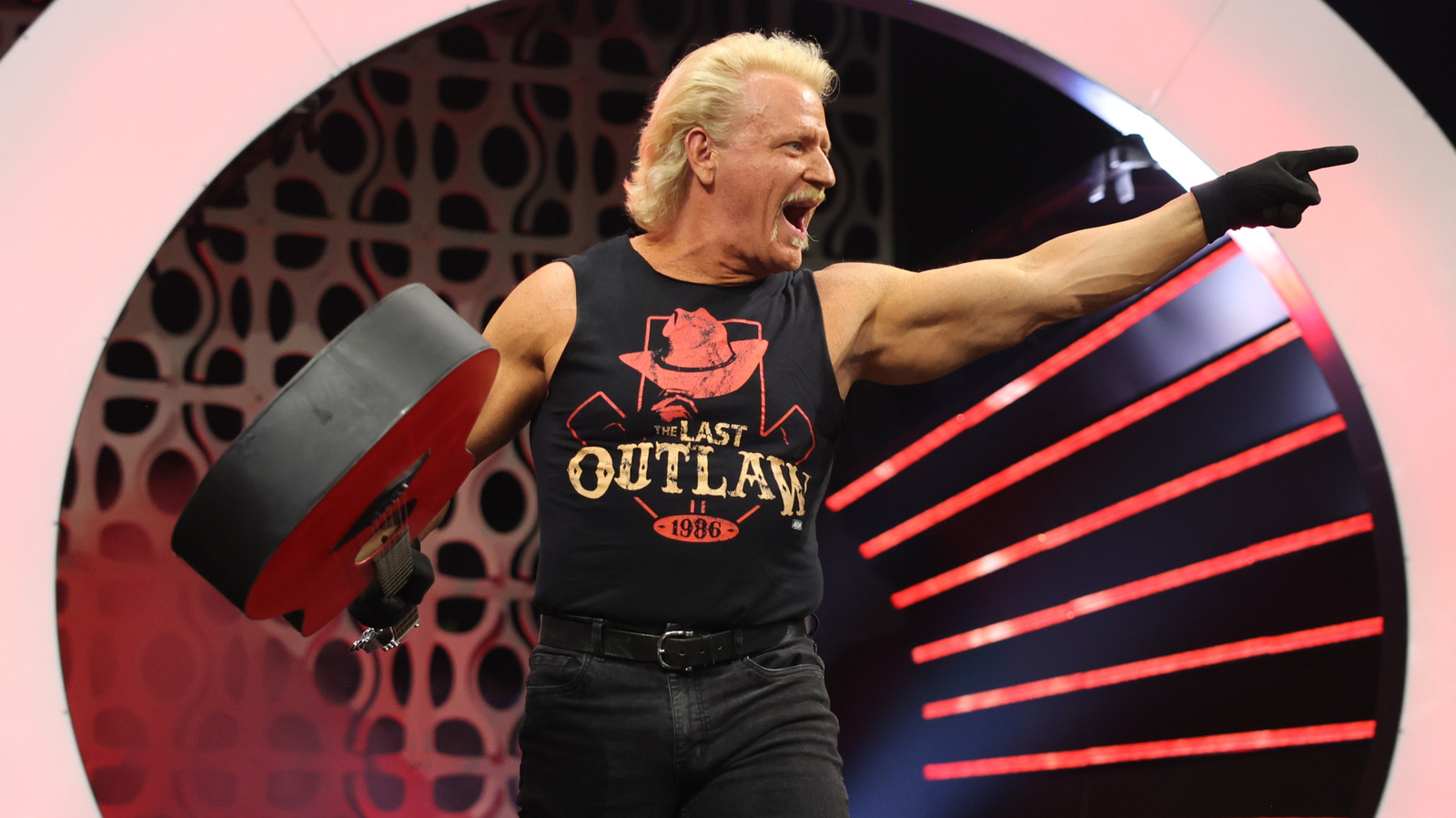
Jeff Jarrett has spent nearly forty years in professional wrestling, working for every major promotion on earth. When he speaks about the mechanics of the industry, you listen. This week, Jarrett made a bold claim about the current All Elite Wrestling roster: he stated that Orange Cassidy combines character and in-ring work better than anyone else today. On the surface, praising a man who wrestles with his hands in his pockets sounds like a contrarian take. Dig into the numbers, however, and Jarrett is just stating the obvious.
Cassidy is the ultimate Trojan horse. The gimmick is lethargy. The reality is that he is the most heavily utilized structural pillar in the company. During his historic first run with the AEW International Championship, Cassidy logged 31 successful title defenses. He held the belt for 327 days. That translates to a televised title match roughly every ten days for nearly a full year. Nobody else on the roster, past or present, touches that frequency.
The contrast between the character's apathy and the performer's output is startling. Fans cheer for the slow-motion kicks and the sunglasses, but they stay for the high-impact sequences that follow. Cassidy routinely works 15-minute matches filled with complex reversals, diving DDTs, and stiff strikes. The lazy persona is merely the hook. The meat of the match relies on an aerobic capacity that few of his peers possess.
The burden of the workhorse
Why does AEW lean so heavily on Cassidy? The answer lies in the injury reports and the aging veteran core. With Double or Nothing 2026 exactly seven days away, the company is still sweating over the medical clearance of several key stars. News broke this week that an injured AEW star is finally expected to return next month, while another made a surprise return at a World Series Wrestling show in Australia. These absences force the available talent to work twice as hard to fill the television time.
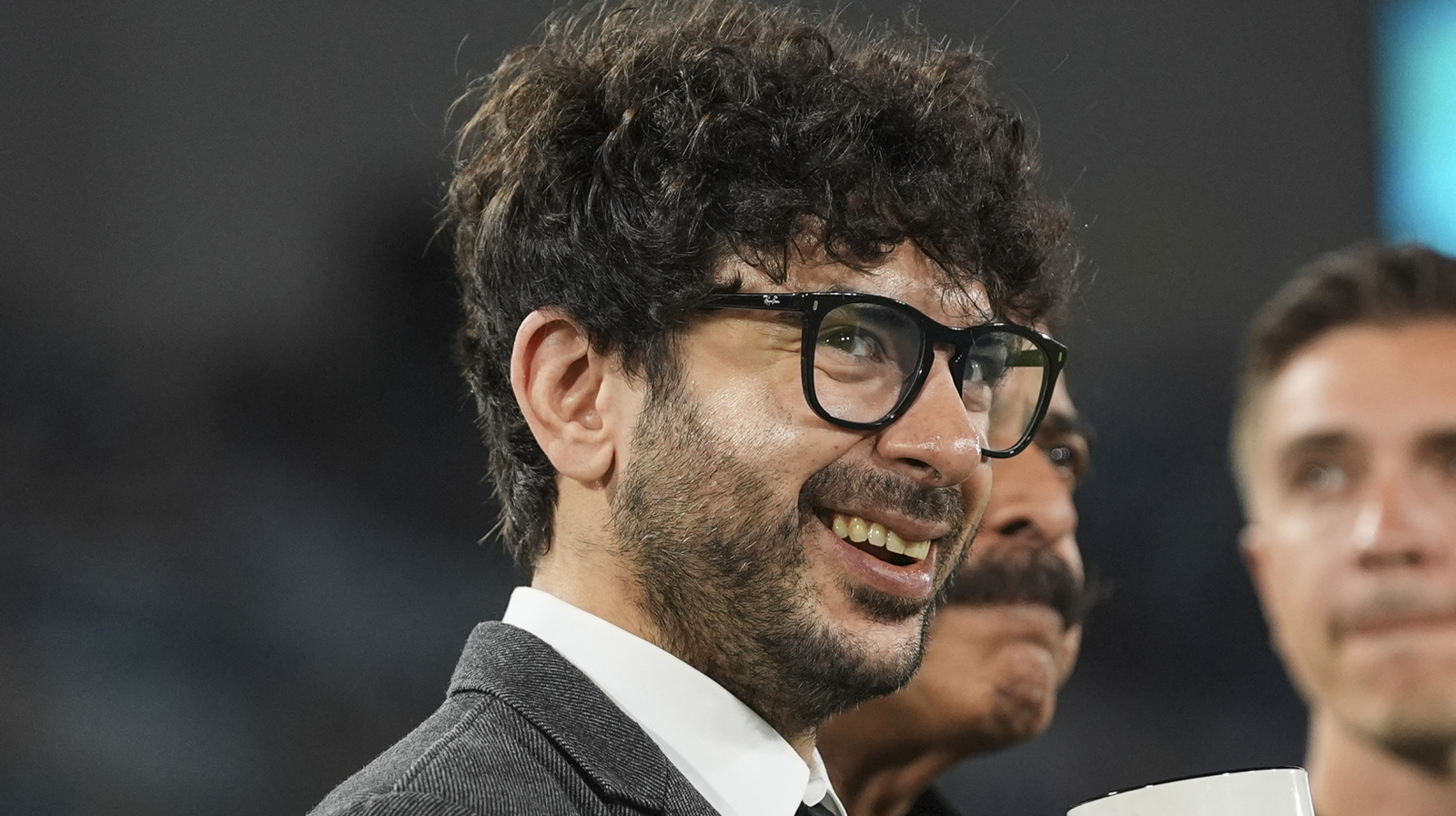
When the main event scene gets derailed by torn pectorals or broken orbitals, Tony Khan consistently hits the Orange Cassidy panic button. Need a reliable opening match for Dynamite to pop the crowd? Send out Cassidy. Need a main event for Collision because a headliner called in sick? Send out Cassidy. He is the ultimate safety net. But relying on one man to paper over the cracks in your roster depth is a dangerous long-term strategy.
Consider the physical toll of his style. While he avoids the reckless neck bumps favored by some of the younger talent, Cassidy takes a tremendous amount of punishment. His matches are built around him getting beaten down by larger opponents before making a spirited comeback. He absorbs heavy offense from heavyweights. You can only take so many powerbombs before the body starts asking for the receipt.
The crossover gap
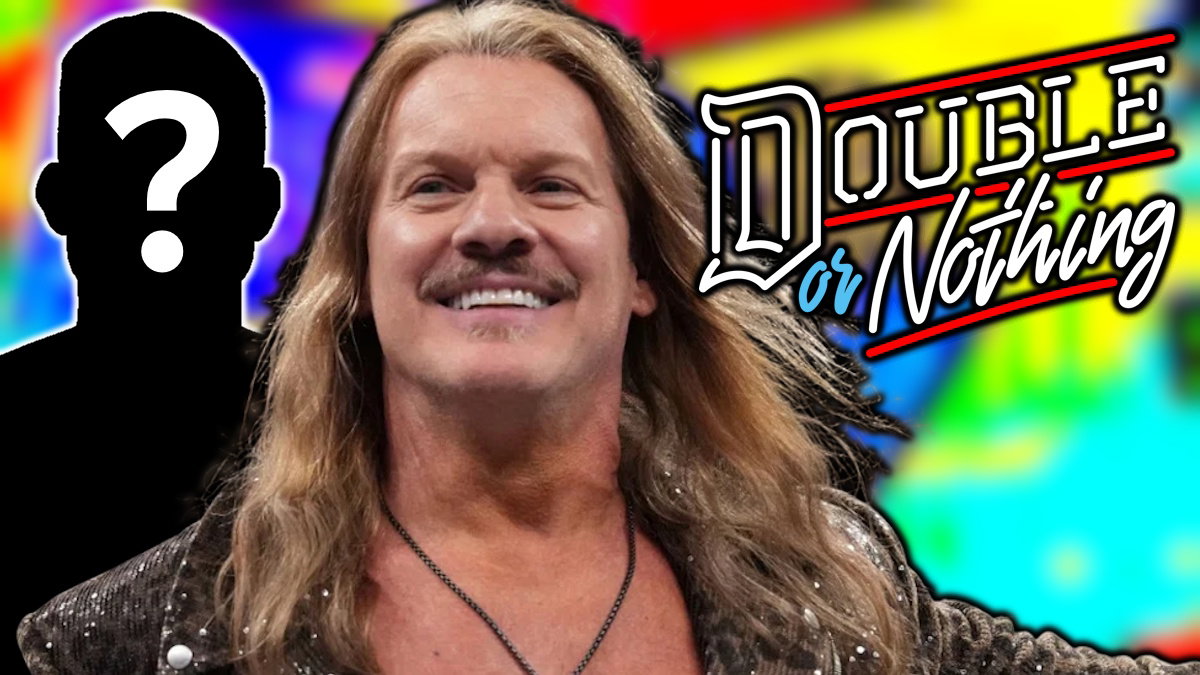
While Cassidy carries the water inside the ring, AEW still relies on its veterans to grab mainstream attention. Chris Jericho, at 55 years old, is still the guy getting the calls from outside the wrestling bubble. This week, Jericho popped up in the Minnesota Vikings' NFL schedule release video, playing the role of a waiter. It is a fun cameo, but it highlights a lingering problem for the promotion.
Seven years into its existence, AEW has struggled to mint new mainstream stars. Jericho is famous because of his two decades in WWE. The Vikings called him because their marketing department knows the name Chris Jericho moves the needle. They did not call Orange Cassidy. They did not call Darby Allin. The younger generation of AEW talent remains highly segmented. They are incredibly famous within the wrestling subculture, but largely anonymous outside of it.
This creates a bizarre dynamic. The veterans like Jericho secure the crossover publicity, but the workhorses like Cassidy actually keep the television product afloat. It is a fragile balance. If Jericho decides to retire and focus entirely on Fozzy, who takes over the mainstream ambassador role? If Cassidy finally blows out a knee from carrying the midcard for three straight years, who steps into the workhorse void?
The numbers don't lie
Let's look at the television metrics. During his peak run in 2023 and 2024, Cassidy's segments consistently held viewership better than almost anyone else on Dynamite. He does not produce the wild quarter-hour spikes of a massive return or a blood feud, but he prevents the dreaded drop-off. When Cassidy wrestles, the audience stays tuned in. He has conditioned them to expect a competent, entertaining, mathematically sound wrestling match.
Jarrett understands this better than anyone. Jarrett built his own Hall of Fame career on being a reliable, character-driven worker who could plug into any spot on the card. He recognizes a kindred spirit in Cassidy. Both men figured out how to use a distinct character trait—Jarrett's arrogance, Cassidy's indifference—to mask an incredibly demanding in-ring schedule. Bayley, one of WWE's most reliable workhorses, also openly admitted this week that she is a huge fan of an AEW star, further proving that game recognizes game across promotional lines.
However, the praise from veterans should serve as a warning light for AEW management. You cannot run your most reliable engine at the redline forever. The constant reliance on Cassidy to deliver four-star television matches on short notice is a symptom of a broader structural issue. It masks the inconsistencies in the booking and the frequent gaps caused by roster injuries.
The road to Double or Nothing
As we approach May 24, the pressure is mounting. The pay-per-view needs to deliver financially and critically. The return of injured stars will help, but the core issue remains unresolved. AEW needs to build a deeper bench of reliable, character-driven workers who can share the load. They need three or four Orange Cassidys, not just one.
Until they find them, the burden will continue to fall on the man in the denim jacket. He will tape his hands, put his sunglasses in his pocket, and go out there to wrestle his 400th television match. He will do it well, the crowd will cheer, and the ratings will hold steady. But behind the lazy facade is a wrestler working harder than anyone else in the building, desperately trying to keep the middle of the card from collapsing.
Read Next
- Jeff Jarrett is completely right about Orange Cassidy
- Karrion Kross is dominating the indies, and his AEW debut is inevitable
- AEW's hot streak is back and the Double or Nothing sellout is proof
- AEW Double or Nothing ticket sales just went absolutely nuclear
- 🎲 AEW Double or Nothing 2026 — Full Coverage Hub