The sellout scramble is real
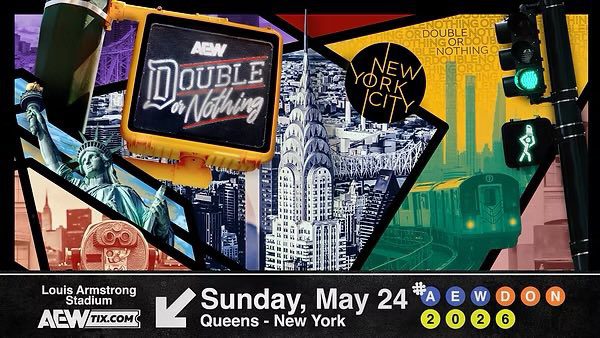
It is May 16, 2026, and the pro wrestling internet is currently doing its favorite thing: arguing about ticket sales numbers. With Double or Nothing right around the corner on May 24, the buzz has officially shifted from lukewarm to red-hot. We are seeing reports that tickets are vanishing from the platforms at a pace that has even the most skeptical basement dwellers quiet for a change.
The movement behind this show has become a fascinating case study in momentum. Less than a month ago, the discourse was all about the company hitting a wall after a string of mediocre television ratings. Now, the conversation is dominated by the prospect of a full house in Las Vegas. Even the most hardened critics have to admit that AEW knows how to turn the dial when it really matters.
The believers vs the cynics
If you head over to the subreddit threads, you can clearly split the crowd into two camps. On one side, you have the die-hards who view this sellout as an absolute validation of the creative pivot. They are pointing to the card’s construction, claiming that the lineup has the kind of star power that demands a live presence. They argue that high-stakes matches define the company's best era and that the ticket movement proves fans will show up for quality.
Then, you have the guys who look at the numbers and immediately search for the asterisk. These skeptics are all over the mentions, claiming that demand is artificially inflated by local ticket bundles or that the current capacity is lower than in previous years. It’s the classic wrestling fan dynamic where nobody is allowed to be happy without qualifying their excitement with a spreadsheet analysis of venue configuration.
Parsing the community temperature
Looking at the sentiment across the boards, the divide is sharper than a Bryan Danielson chop. A segment of the fan base is convinced that this sellout validates the recent booking of the main event scene. They are tired of the negativity and genuinely believe that AEW Double or Nothing 2026 represents the peak of the company’s year. For these folks, seeing a full arena is the ultimate comeback story.
Conversely, the contrarians are out in full force to remind everyone about the television ratings from March through April. They aren't buying the hype, insisting that a singular event success doesn't undo months of stagnant storytelling or missing stars. They argue that one crowded arena is nice, but it doesn't fix the fundamental problems with the mid-card pipeline or the reliance on older veterans to carry the marquee matches to a sellout pace.
In my view, the optimists have the slightly stronger position here. Let's be honest: in 2026, selling out a major pay-per-view in an era of oversaturated live content is an objective win by the numbers. Even if the television numbers have taken a dip, the fact that people are willing to open their wallets for the pay-per-view experience suggests the brand loyalty remains incredibly deep. The match quality at recent shows has been objectively strong, even if the weekly segments have been hit or miss.
The ugly truth about the booking
However, let's not pretend everything is perfect just because the arena floor looks packed. One valid criticism that keeps bubbling up in the comments is the lack of long-term build for the undercard. While the main events are getting the shine, a good chunk of the card feels like it was put together with a dash of last-minute scramble. Seeing the same four-way matches on repeat for three weeks just to pad out the PPV time is lazy booking.
If the company wants to maintain this heat after the show concludes, they need to stop relying on the big-match-only spectacle. A 75% engagement rate from the crowd doesn't mean much if the weekly show is still struggling to maintain a consistent narrative momentum. You can sell out a weekend, but sustaining an entire summer of high interest requires more than just high-flying maneuvers in a Vegas arena.
What this means for the summer
Regardless of where you stand, the buzz for this show is undeniably real. Whether the show hits the expected 100% capacity or falls just short, the fact that it is trending toward being the most successful gate since the Texas outing is a data point you cannot ignore. The industry is watching.
If they deliver a show that actually pays off these storylines, we could see a total shift in the narrative as we head into the second half of the year. But if it’s another show where the matches are amazing but the story leads nowhere, expect the trolls to be loudest on Monday morning. It is essentially a make-or-break moment for the current creative cycle. We are looking at a potential all-time high for the brand if they nail the finish.