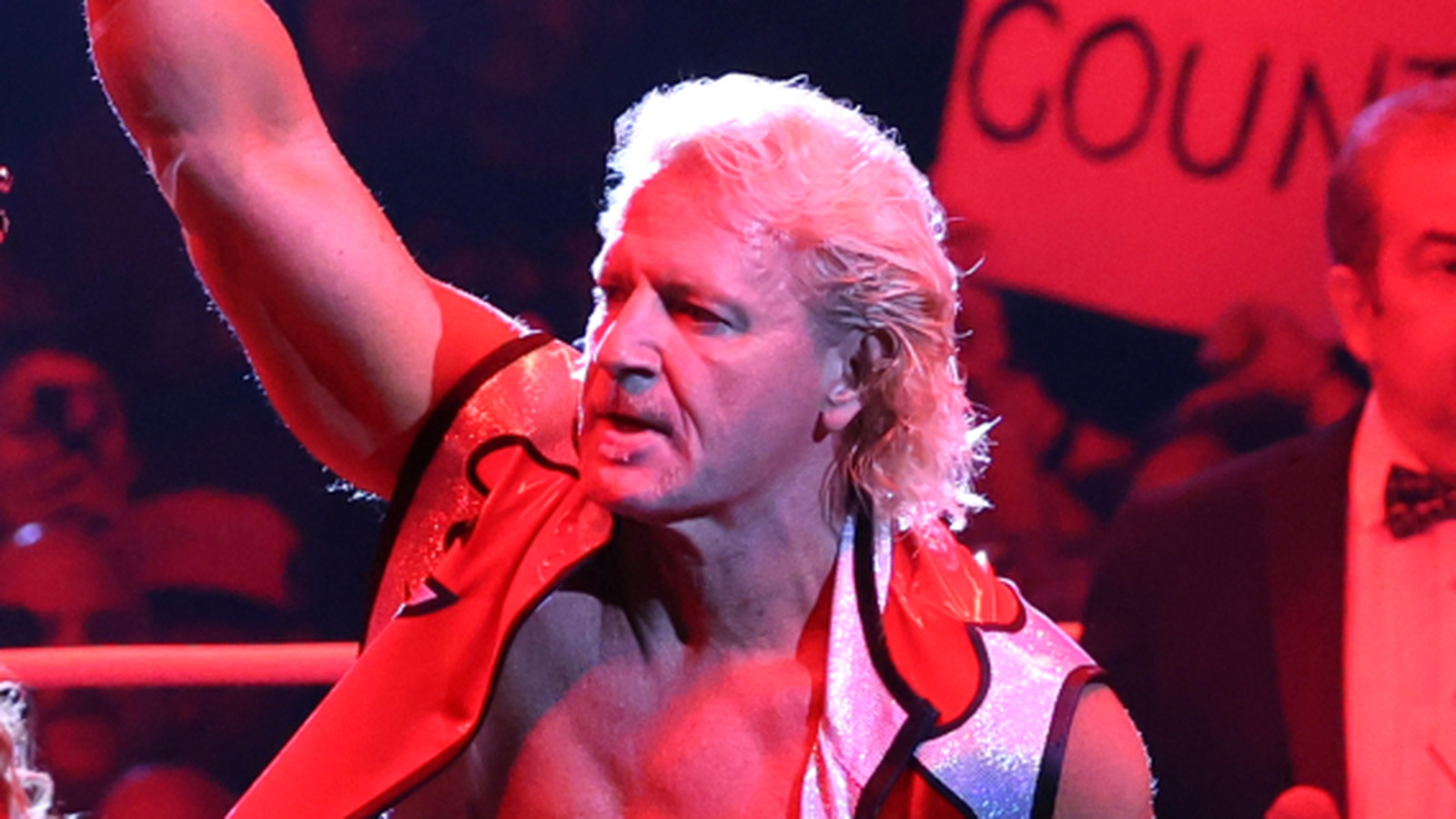
The physical toll of Jarrett’s current run
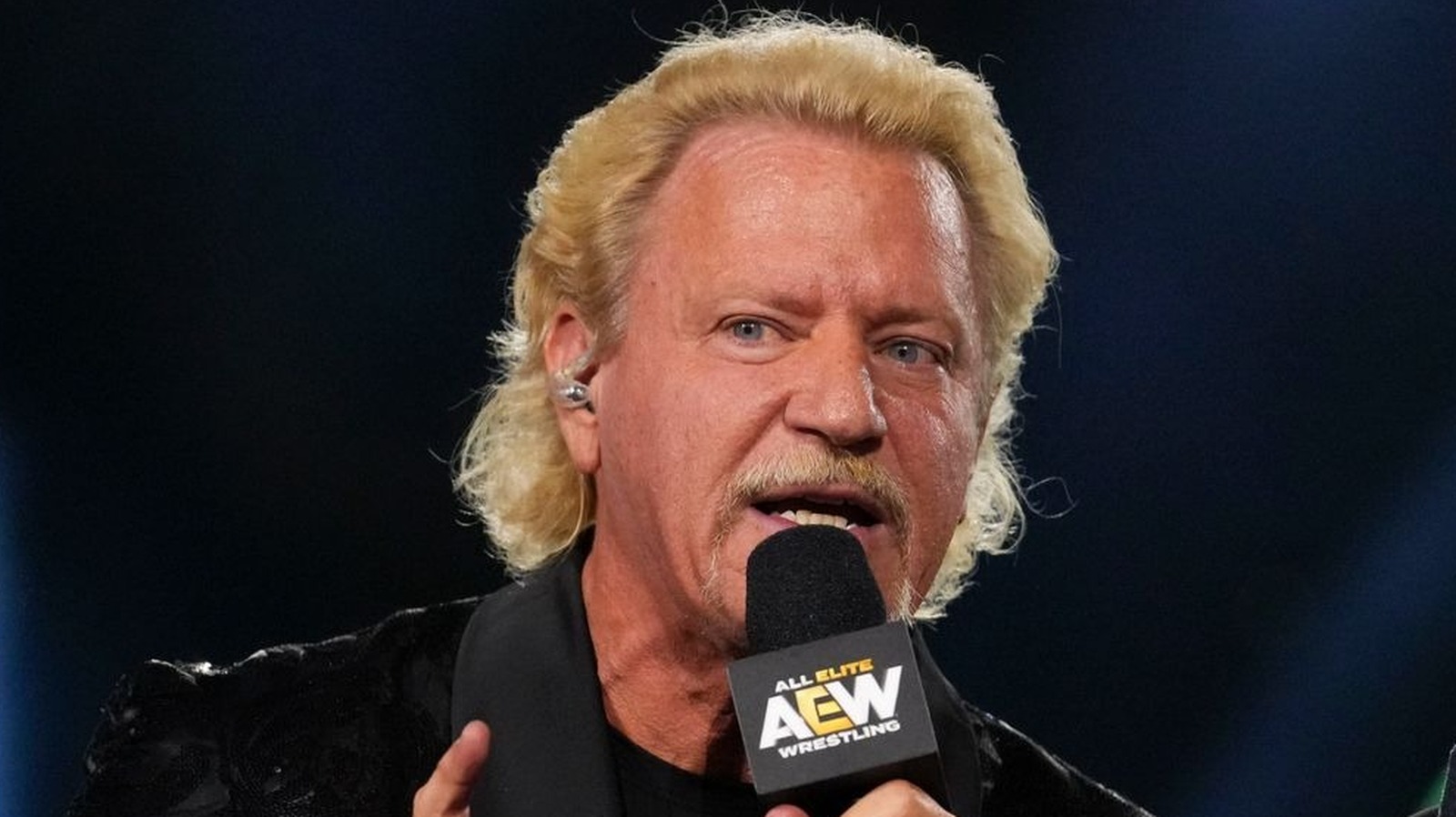
Jeff Jarrett continues to be a staple of AEW television, balancing on-screen villainy with a legitimate producer role. However, internal discussions regarding his availability suggest he is nursing lingering rib and hip issues. These are common attrition points for a performer who maintains a high-frequency schedule while taking high-impact bumps.
Jarrett has been heavily involved in tag team segments, often acting as a human target to elevate younger talent. While his recent praise for performers like Orange Cassidy highlights his eye for talent, his physical output is increasingly restricted by these recurring strain injuries. He was noticeably absent from the ring during last week’s house show loops.
Booking philosophy vs. physical reality
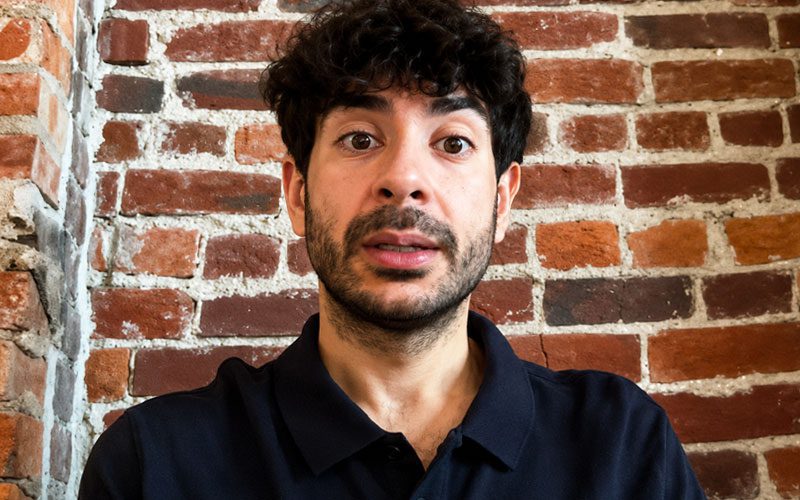
Tony Khan’s decision to maintain a massive roster has often been criticized for lack of focus, but Jarrett—who serves as a bridge to many talents—defends this approach as a strategic asset. Jarrett recently argued that Khan’s booking philosophy allows for a fluid rotation of talent. This flexibility is essential when veterans like Jarrett need to minimize travel or limit their bump cards.
The issue arises when booking assumes that every veteran is operating at their 1990s peak. Even Jarrett, who navigated the scrutiny of his Dark Side of the Ring coverage as a career growth moment, is not immune to time. Attempting to mask physical limitations with high-energy character segments is a standard procedure, but it does little to mend damaged cartilage or torn ligaments.
Strategic risks for Double or Nothing
With Double or Nothing 2026 just 6 days away, the medical team is strictly managing Jarrett’s training sessions. He is currently limited to non-contact promo work and light stretching. Expect him to participate in a multi-man tag match at the May 24 event, likely operating under a "hot tag" capacity to avoid prolonged physical exertion.
Relying on a producer to also fulfill heavy in-ring duties is a mistake the promotion has made repeatedly. If the match design forces Jarrett to absorb a finisher or take a high-velocity impact, it risks turning a chronic concern into a 6-month recovery scenario. The front office needs to prioritize his role behind the curtain if they want him to survive past the summer. 30 percent of the current mid-card roster is currently carrying some form of undisclosed minor ailment, making Jarrett’s situation a bellwether for the rest of the locker room.
Historical context of veteran usage
Pro wrestling history is littered with veterans who refused to dial back their intensity. We have seen promoters run legends into the ground by placing them in high-bump situations to cover for a lack of depth. While Jarrett claims the current roster size helps, it actually forces veterans to fill gaps in longer, more strenuous televised segments.
AEW is at a crossroads where they must distinguish between "valuable contributor" and "active wrestler." Forcing a 59-year-old worker to match the pace of younger, faster performers is a booking choice with predictable consequences. Expect the medical staff to be the ultimate arbiters of how much offense Jarrett is allowed to execute during the upcoming PPV cycle.