The return to the fray
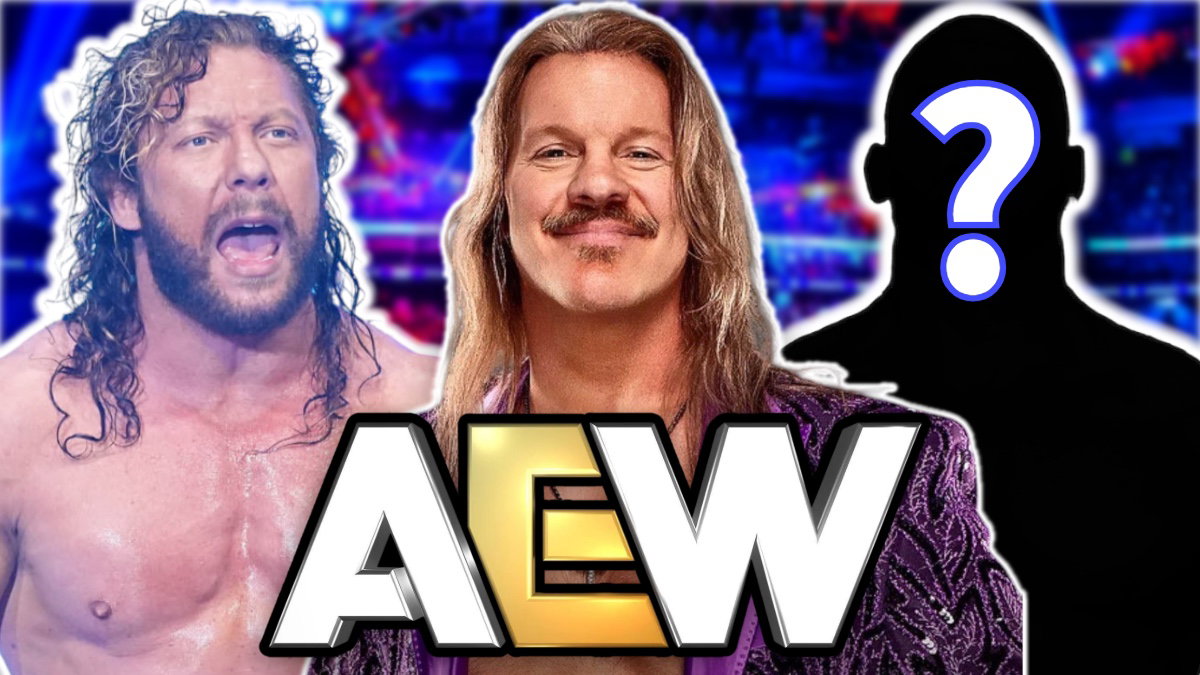
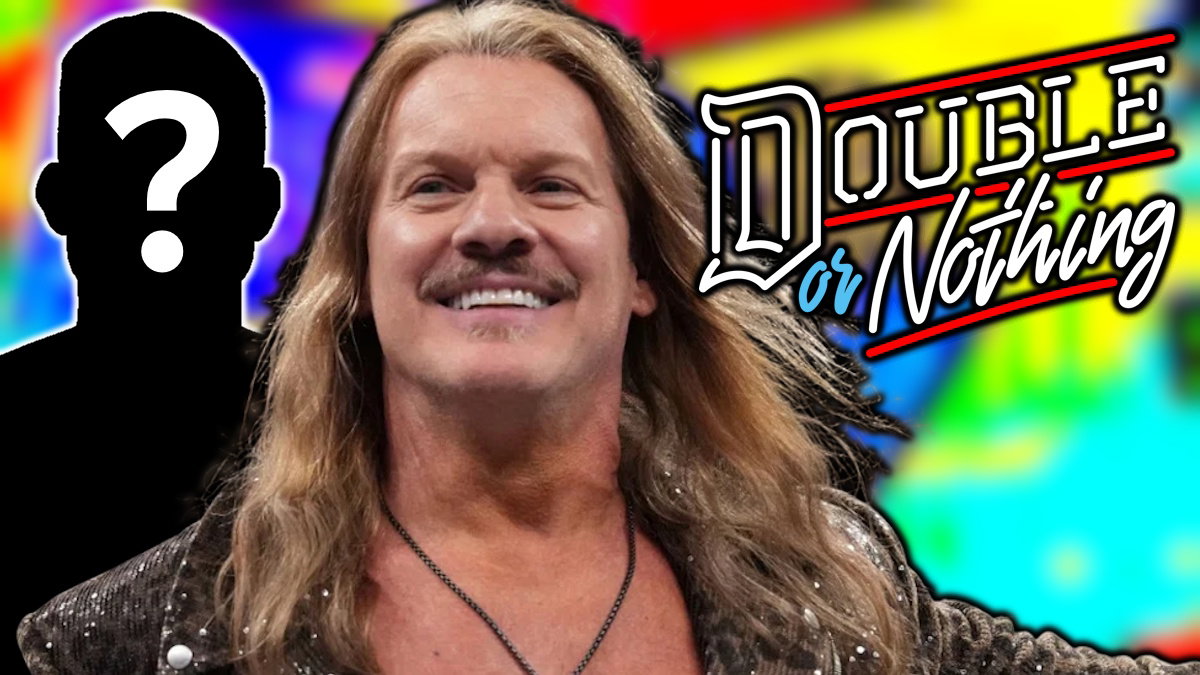
Chris Jericho re-emerged on the April 1 edition of AEW Dynamite, marking his first appearance for the promotion in twelve months. The reaction was immediate and polarized. Fans who recall his 2019 title run saw a veteran reclaiming his territory. Those who burned out on his constant rotation of personas saw a man attempting to plug himself into a machine that has evolved significantly during his absence.
Tactical friction in the AEW upper-midcard
Returning to active duty isn't merely about hitting the Judas Effect and walking to the ring. AEW has shifted its gear since April 2025. The pace of television matches has increased, and the reliance on chaotic multi-man spots has moved toward more technical, deliberate sequences. Jericho’s last twelve months away have left a vacuum in the storylines that he is now trying to inhabit with a style that dates back to a different era of the promotion.
The Double or Nothing problem
As we approach the May 24 event, the question isn't whether Jericho can still go for a 15-minute window. It is whether he can maintain the intensity required to headline a card that features younger superstars operating at a higher cardiovascular output. Watching his segment on the April 8 Dynamite, the spacing between his strikes appeared disjointed compared to opponents like Swerve Strickland or the current crop of Blackpool Combat Club members.
His lack of consistent appearances over the past year has resulted in a ring-rust issue that cannot be masked by entrance music alone. At 55, his endurance is a legitimate statistical concern. If the Double or Nothing bout extends beyond the 20-minute mark, the likelihood of a noticeable drop in work rate increases, potentially dragging down the quality of the overall presentation.
The booking dilemma
Management is clearly positioning the return of Chris Jericho as a major draw for the May 24 card. The marketing strategy relies on nostalgia, but nostalgia is a fickle commodity in a company that prides itself on being the alternative. By pushing Jericho immediately back into the high-profile spotlight, the creative team risks stifling the progress of performers who have been putting in work since his departure last year.
A critical observation: his current move set remains tied to the Lionsault and the walls, moves that have been scouted and countered for over a decade. Unless he introduces a technical pivot—perhaps leaning into a submission-based strategy rather than relying on high-impact spots—he will struggle to deliver a contest that feels modern. If the match goes long, expect a segment filled with rest holds that stall the momentum of the pay-per-view.
A cold call on the outcome
Predicting Jericho’s trajectory beyond May 24 feels like a gamble. I expect he will put over a younger talent to solidify their status, but the process of getting there will likely be cluttered with outside interference and unnecessary segments. The real test is whether he can elevate his opponent without being the primary focal point of the narrative. My prediction: he eats the pin in a 16-minute encounter to pivot toward a full transition into a mentor role, finally ending his pursuit of the top-tier belts.