The revolving door of backstage talent
The industry is currently seeing a rapid migration of veteran talent moving from on-air roles to behind-the-scenes positions. The most prominent example involves Sami Callihan, a former TNA World Champion who has been spotted working backstage at recent AEW tapings, according to recent reporting. After his departure from TNA last month, where he balanced producing, agenting, and marketing duties, Callihan’s pivot to Tony Khan’s promotion suggests AEW is actively hoovering up experienced heads to stabilize their production protocols.
This movement isn't happening in a vacuum. It underscores the fragility of institutional memory in wrestling promotions. When a veteran like Scott D’Amore was ousted from TNA in February 2024, it triggered immediate interest from the industry's two power players. D’Amore recently confirmed to Ariel Helwani that he held discussions with both AEW and WWE shortly after his exit. While D'Amore remains a free agent, the fact that Triple H was one of the first people to reach out to him following his TNA departure signals just how aggressively WWE moves to keep tabs on high-level administrative talent.
The shadow cast by injuries and retirement
While the business side of the ring remains fluid, the physical toll on rosters is becoming impossible to ignore. Buddy Matthews has officially been cleared for an in-ring return following a hiatus that lasted over a year. Matthews has been a key piece of the AEW machine, but his long recovery time frames the ongoing issue of durability in the current high-impact era. His return will be a litmus test for a roster that has seen far too many performers sidelined for extended windows.
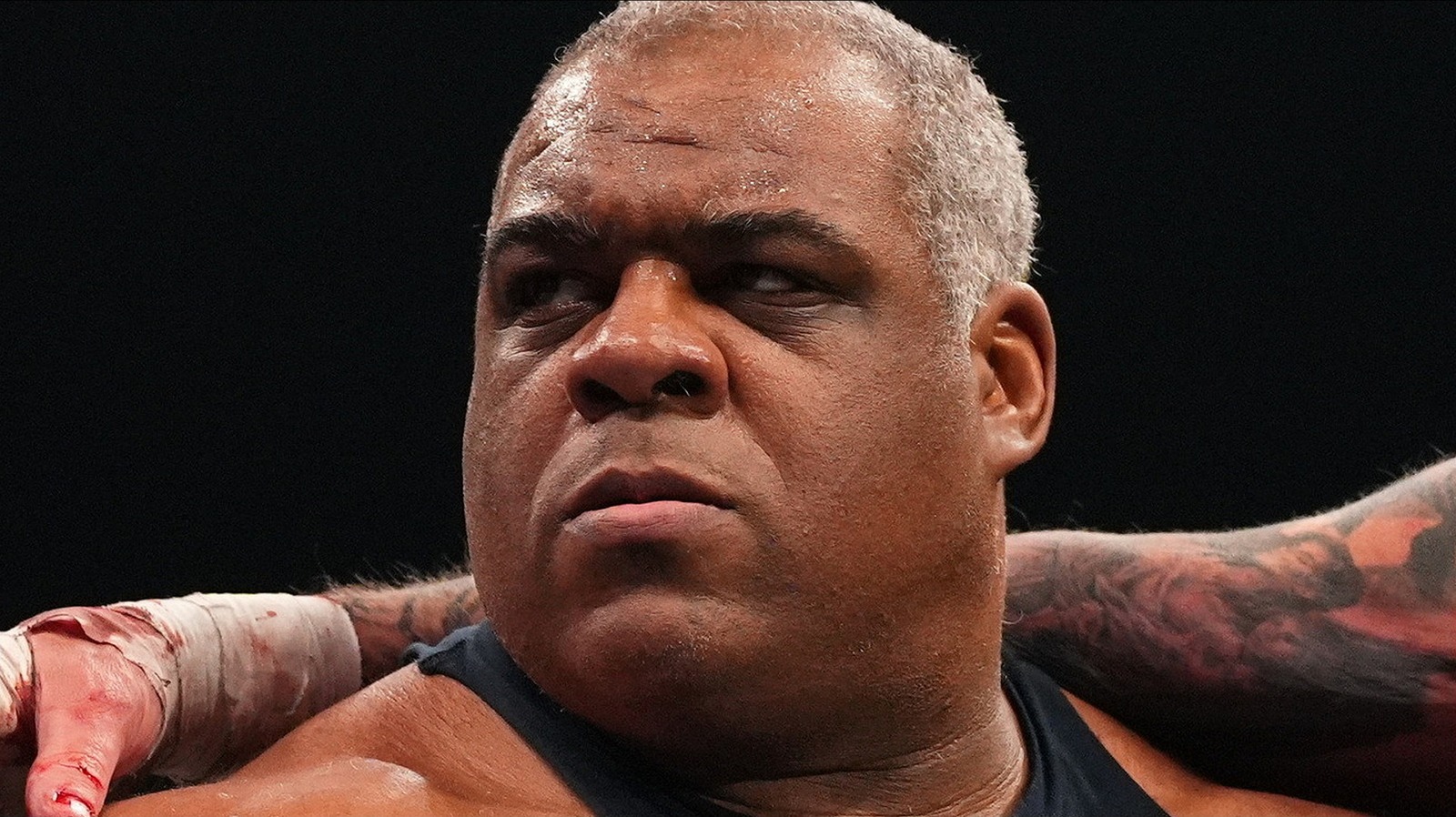
The gloom is heavier elsewhere. Reports from the AEW locker room, as documented by F4WOnline, indicate that Harley Cameron is also currently out indefinitely following an injury sustained during recent television tapings. Then there is the lingering silence surrounding Keith Lee. He has been missing from onscreen programming for years, and internal murmurs suggest a career conclusion may be near. When a talent of Lee's caliber vanishes this long without a clear path back, the industry eventually stops asking "when" and starts accepting the "if."
Legends, coaches, and the next chapter
Vampire icon Gangrel is currently finding a second wind as a mentor for the next generation. He has signed on to coach at Rusev’s KECH Pro Wrestling Academy, which opened its doors this May. Gangrel noted that Rusev was insistent on the partnership, claiming,
He said he wouldn’t start it unless I came in.This suggests a concerted effort by older talent to insulate themselves from the whims of major promotion booking by building their own training grounds.
However, the transition from in-ring work to coaching is rarely a smooth ride. Gangrel has been open about his ongoing internal debate regarding his own in-ring future, specifically as he approaches his sixties. It creates a strange dichotomy in the sport where legends are forced to weigh the love of the craft against the reality of physical degradation. Even a veteran like Chris Jericho, with thirty-five years of equity, is forced to confront fans who have grown tired of his act. Jericho remains defiant, claiming he believes those detractors will eventually flip once he executes a specific "monumental career change."
- Buddy Matthews cleared after 12+ months on the shelf.
- Sami Callihan working AEW shows following TNA release.
- Siva Afi, former WWF talent, has passed away.
- Dakota Kai announces engagement to fellow alum Karl Fredericks.
A sobering look at the pipeline
The industry remains prone to booking disasters and missed opportunities. While fans love to speculate about grand returns or massive shifts, the reality is frequently more mundane—mostly talent trying to find work after administrative bungles or sudden departures. The TNA situation is a stain on their recent management, as they hemorrhaged institutional knowledge, allowing AEW to pick up pieces that should have stayed in their orbit. The inability of promotions to hold onto veteran agents and producers has become a massive inefficiency that only benefits the companies with the deepest pockets.
Ultimately, the news cycle this week serves as a reminder that wrestling is a fragile ecosystem of bodies and egos. Between the tragic passing of Siva Afi and the uncertainty surrounding talents like Keith Lee, the shine of the big-budget spectacles often hides the grinding reality of a worker's life. We are seeing a distinct trend toward the "coaching exit" strategy. If you aren't the face of the company, you are either in the training ring or you are waiting on the telephone for an agent to call. It is a harsh cycle, and one that doesn't look like it will slow down anytime soon as promotion heads treat talent turnover as standard practice rather than organizational failure.