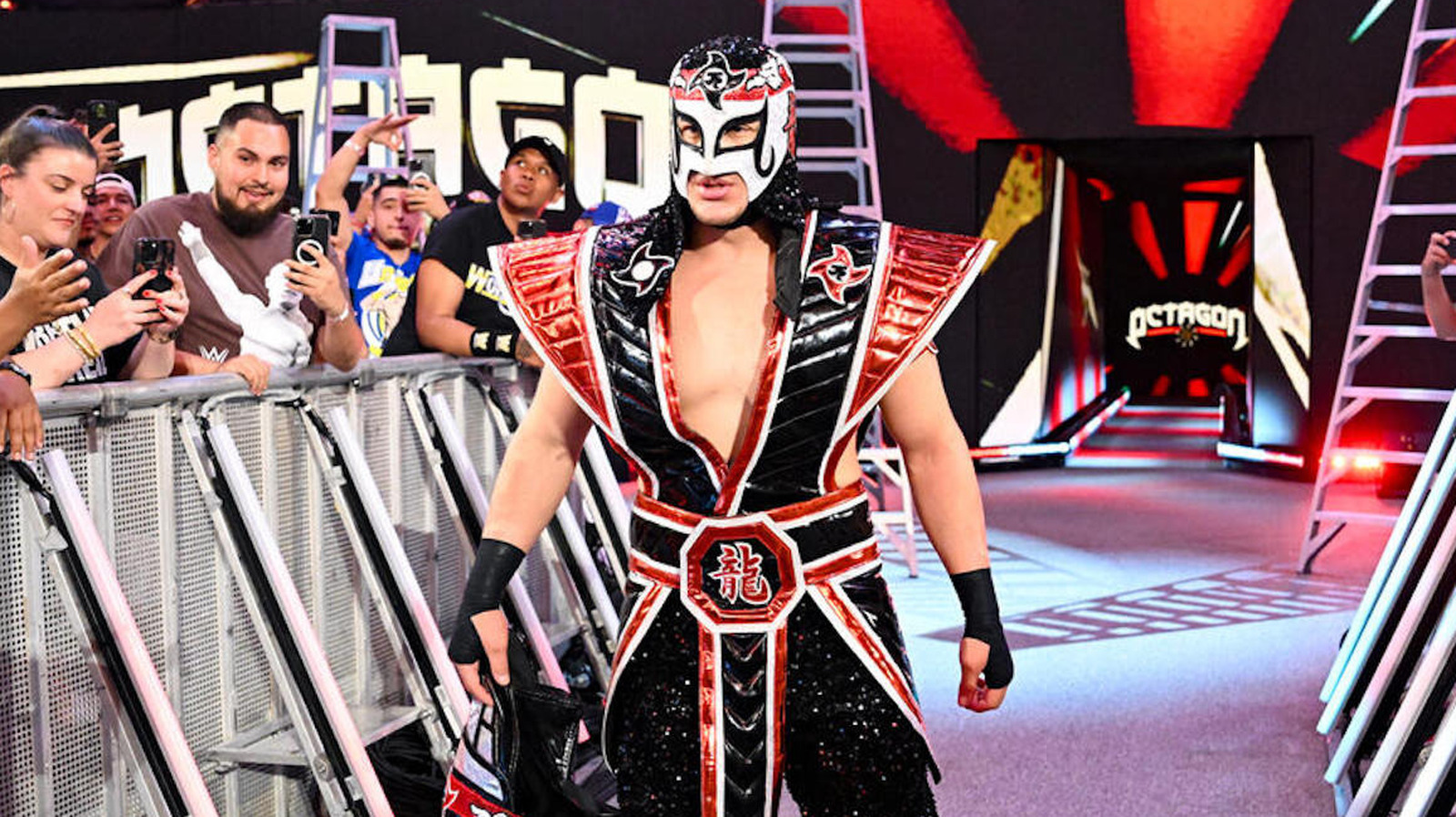
The medical status of Octagon Jr.
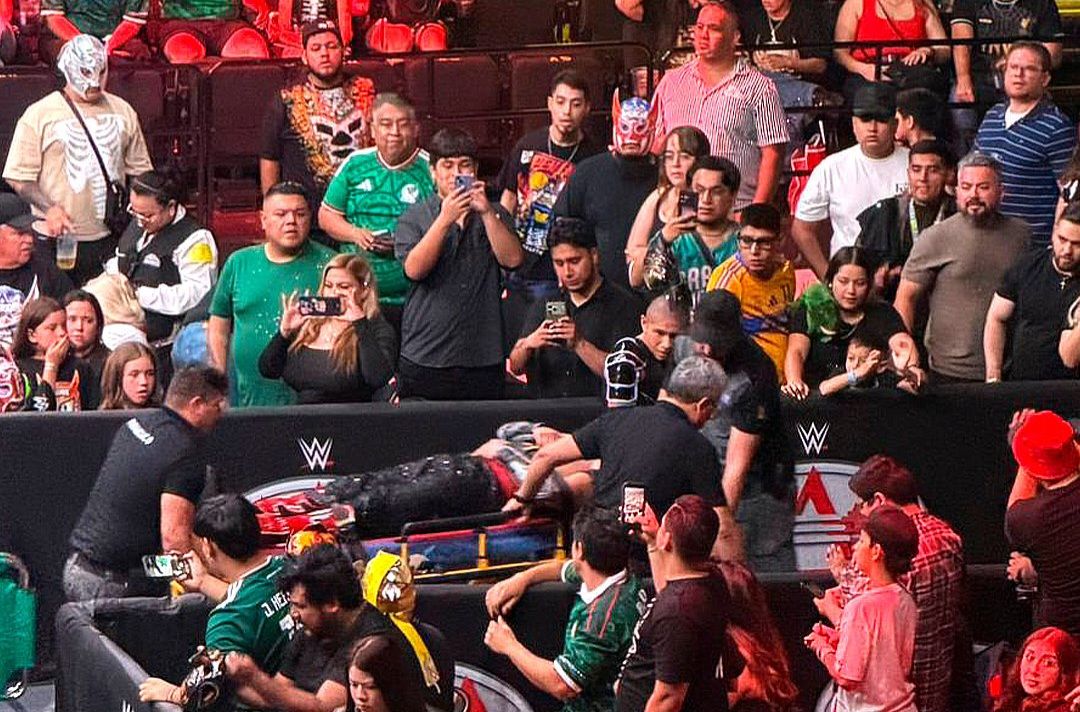
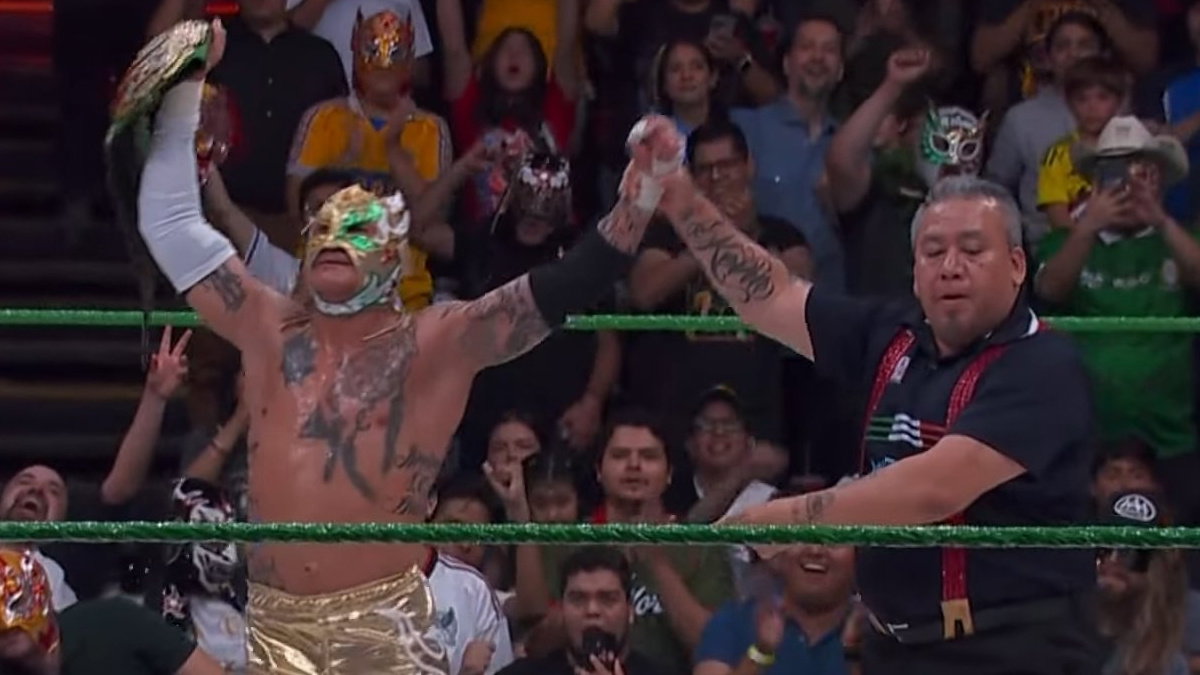
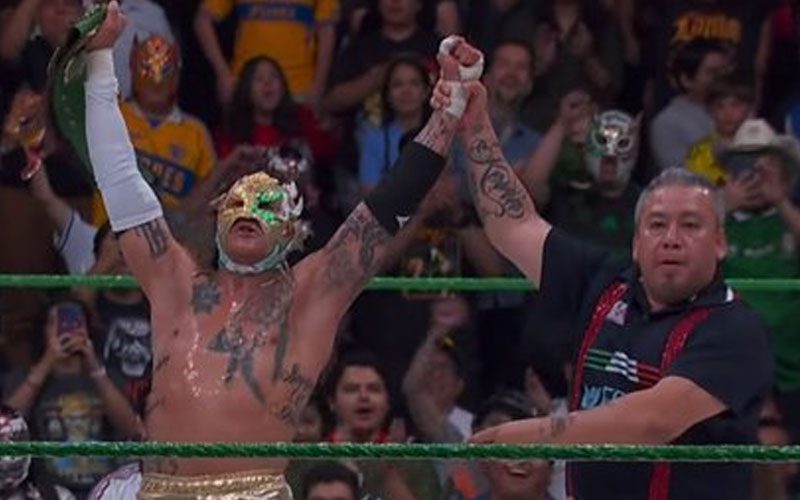
AAA star Octagon Jr. sustained a significant injury during the Week 2 tapings of Noche de Los Grandes on Saturday night. The incident occurred during a high-stakes Fatal 5 Way match, requiring immediate medical intervention and the use of a stretcher to extract him from the arena floor.
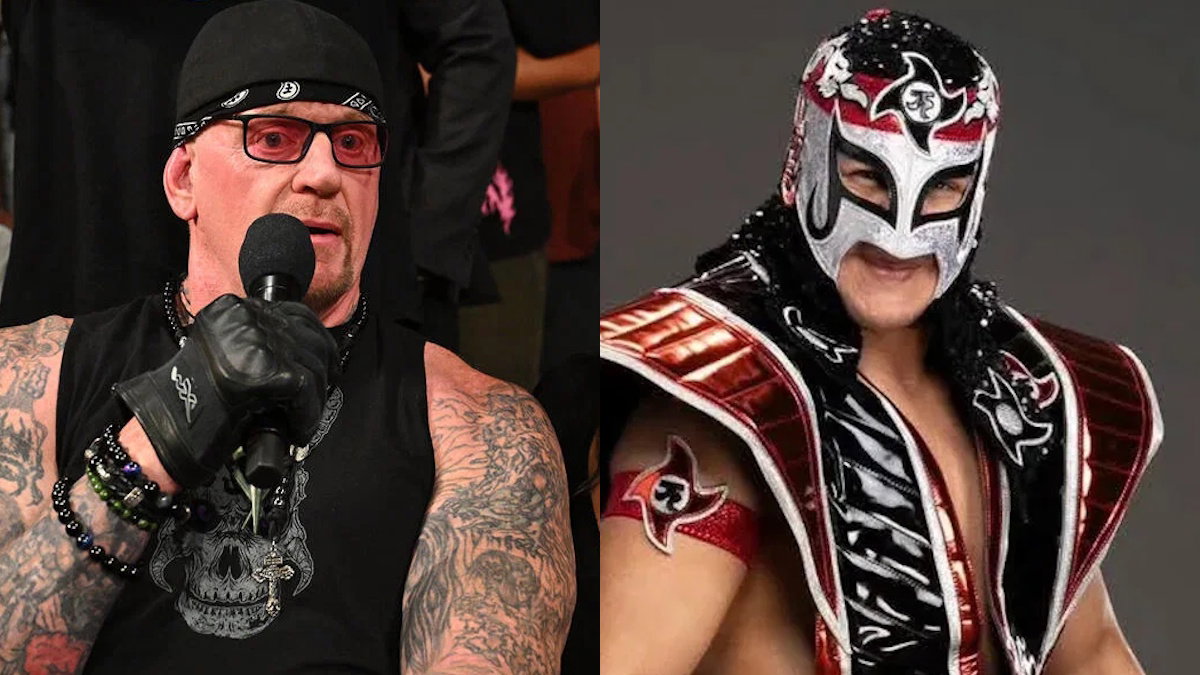
Reports originating from BodySlam.net clarify the injury sequence began following the execution of a top-rope tornado DDT. The maneuver involved outside participation, reportedly featuring a talent currently signed to WWE, creating a cross-promotional collision that immediately turned dangerous.
The mechanics of the injury
The sequence that resulted in the stretcher job was high-impact by design. In a 5-way environment, spacing is notoriously difficult to manage, particularly when aerial elements like a top-rope tornado DDT are introduced late into a match duration.
While AAA has not issued a formal pathology report, the necessity of a stretcher indicates significant trauma, likely to the neck or spinal column, given the point of contact during the move. Wrestling Observer confirmed the medical staff acted with extreme caution, halting proceedings to stabilize the athlete before transit.
Broader implications for AAA and Netflix
This incident lands at a critical time for AAA as they lean into their broader distribution strategy. The visual of a talent being carried out is a PR nightmare for a promotion attempting to project stability ahead of major streaming pushes.
We have already seen production team adjustments regarding how these events are presented. As Ringside News noted, the promotion recently opted to gray out footage of Chad Gable’s unmasking during replays. It is a reasonable assumption that the footage containing the Octagon Jr. injury will face similar, if not stricter, post-production sanitization before reaching the Netflix platform.
Historical context and risk analysis
Professional wrestling has seen this narrative repeatedly: high-tempo, multi-man matches in independent and partner-based tapings often lead to lapses in communication. When independent contractors from different promotions intersect, the risk of misaligned timing on high-risk maneuvers triples.
The move in question—the tornado DDT—is a staple of modern lucha libre, but execution at the top-rope level requires precise calibration of weight distribution. When that calibration fails, the receiver takes the brunt of the gravitational force, often leading to concussions or whiplash injuries that sideline performers for months.
Questionable booking decisions
There is a recurring issue with AAA's current booking philosophy during these Noche de Los Grandes tapings. Cramming five competitors into a single ring for a high-octane encounter places an undue burden on referees and medical teams to monitor five distinct points of impact simultaneously.
Relying on high-impact spots during long tapings is a recipe for physical degradation. If the promotion continues to prioritize shock value spots—such as unmaskings and dangerous aerial exchanges—they risk losing tier-one talent to avoidable recovery cycles. A match ending in a stretcher is rarely worth the short-term viewership spike if it removes a featured player from the rotation for the next 90 days.
The industry standard for post-stretcher protocols is rigid. Until Octagon Jr. undergoes a neurologic exam and clears concussion testing, any timeline regarding his return is purely speculative. Fans expecting a quick recovery in the lead-up to the mid-summer schedule should lower expectations. The focus now shifts to whether the promotion will adjust its training load demands for the performers remaining on the card.