The status of Octagon Jr. following Noche De Los Grandes
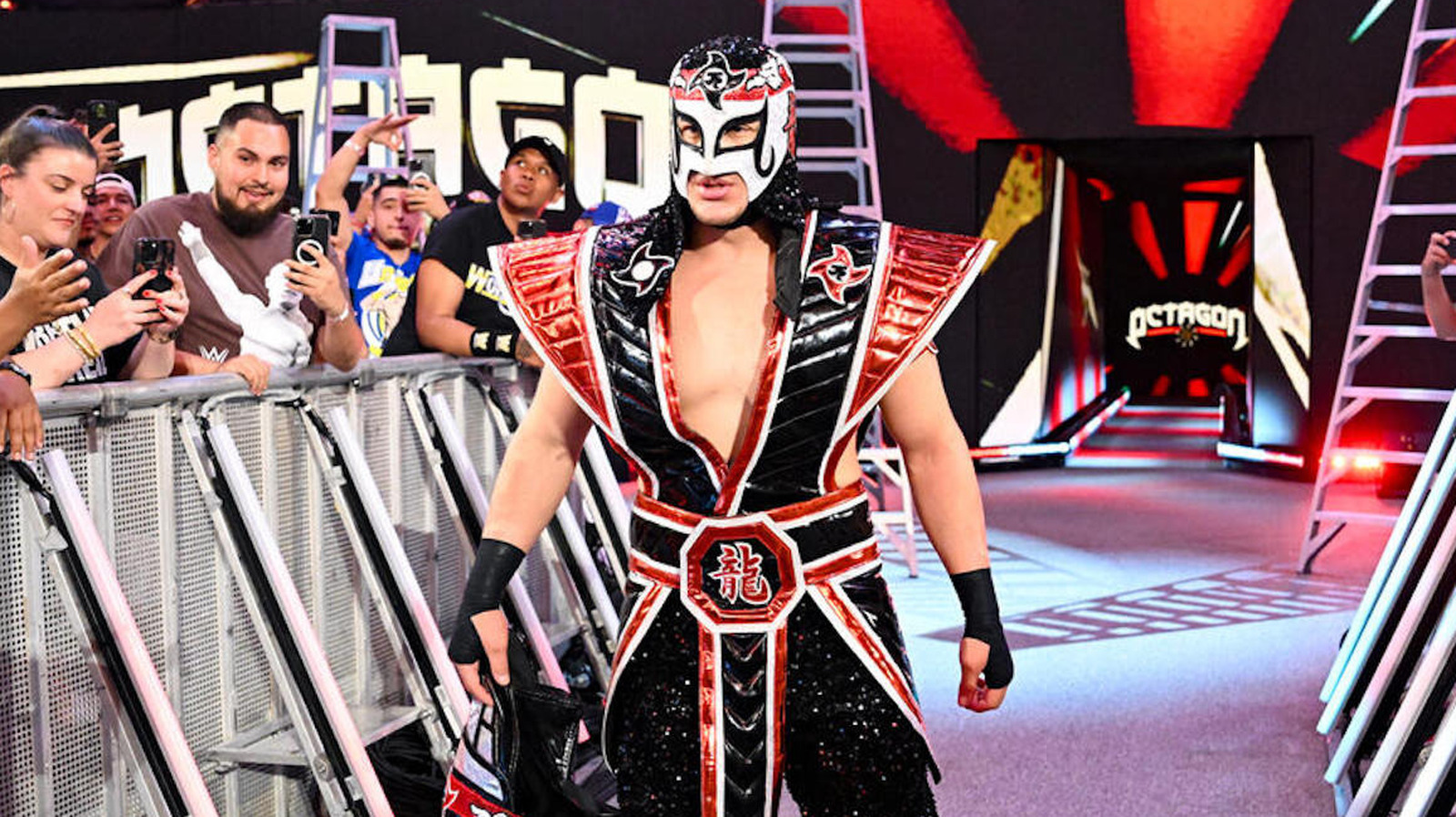
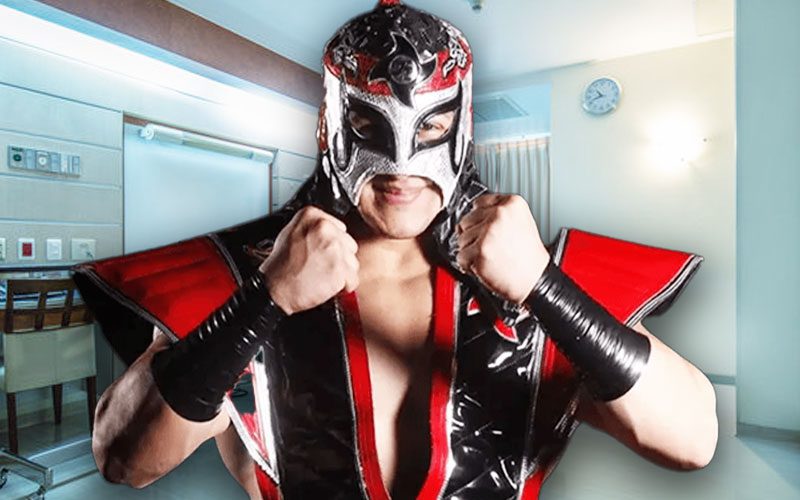
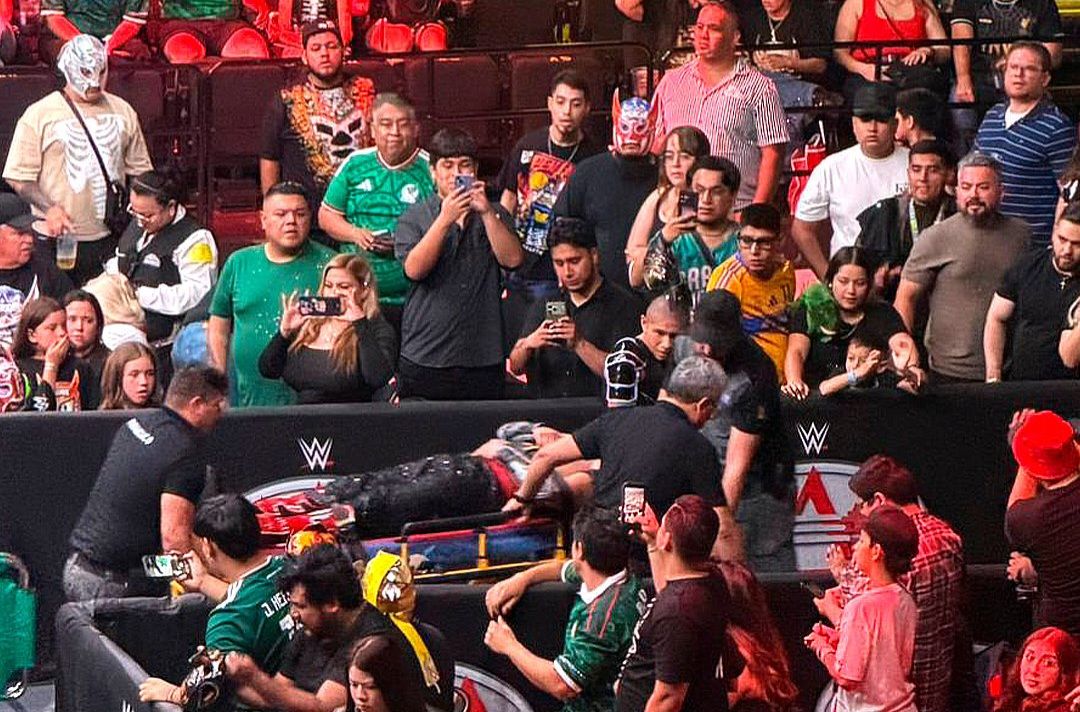
Octagon Jr. is currently sidelined following a severe injury sustained during a five-way match at the recent WWE AAA Noche De Los Grandes television taping. The incident occurred during a high-stakes sequence in a contest involving multiple top-tier lucha libre performers tasked with executing complex, high-velocity sequences.
Reports confirm the injury was significant enough to halt the momentum of a major showcase event as noted by Wrestletalk. While the exact medical diagnosis remains private, sources close to the promotion indicate a lengthy recovery period is expected. This removes a key piece from the current creative rotation at a time when the partnership between the two organizations is attempting to bridge distinct wrestling identities.
The Undertaker addresses the fallout
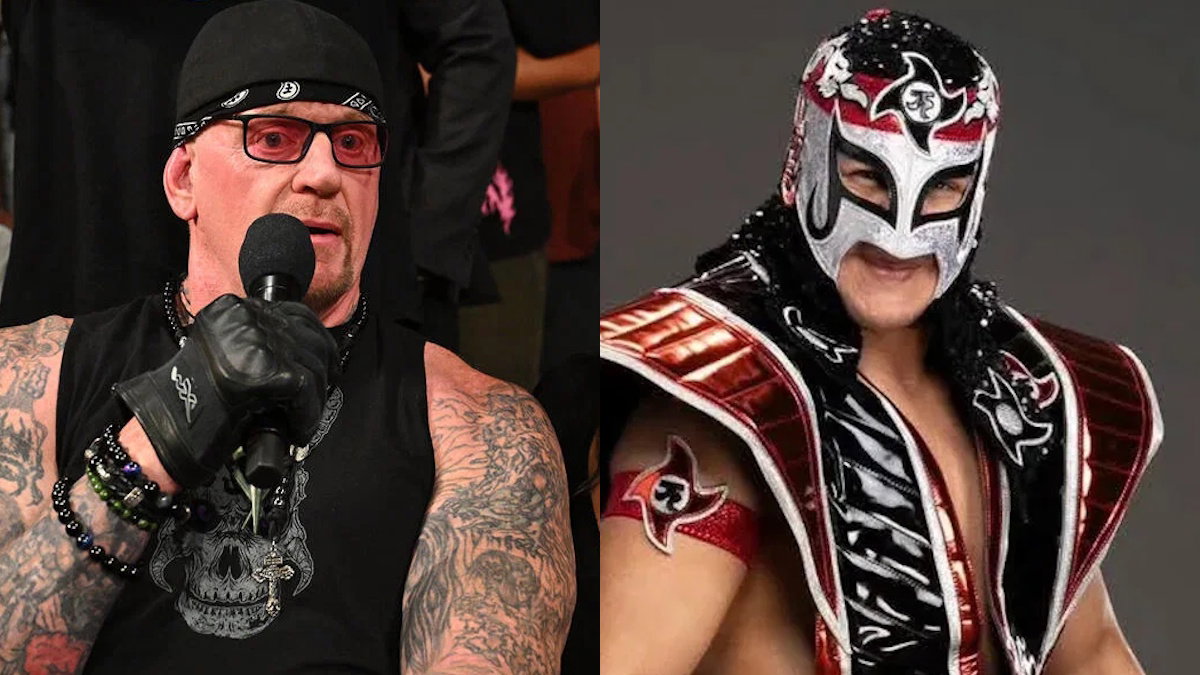
The severity of the incident drew a direct response from The Undertaker, who has been actively involved in the creative vision for these cross-promotional efforts. Publicly vocalizing support, he offered a brief but pointed message of encouragement: "We know you’ll be back better than ever."
This is far from a standard PR statement. As reported by F4WOnline, Undertaker has been instrumental in attempting to weave narrative threads into the traditionally fast-paced, high-spot-heavy lucha style. The injury forces an immediate pivot in those plans, as the company loses one of the featured performers intended to execute that specific vision.
Strategic implications and industry risk
The injury raises uncomfortable questions regarding the safety of combining high-flying lucha psychology with the production standards of modern North American televised wrestling. When you push performers to marry the speed of AAA with the storytelling demands of a weekly TV product, the margin for error shrinks significantly.
Historical precedent shows that cross-promotional injuries during talent exchanges are a recurring nightmare for booking departments. Because the performer is working under a different set of physical expectations, timing syncs between opponents often fail when performers are not acclimatized to one another’s movement patterns on a daily basis.
The current scheduling of these events places a heavy burden on the roster to deliver high-impact spots to satisfy audiences expecting a spectacle. For Octagon Jr., moving forward means a long stint in physical therapy. For the booking team, it means scrambling to fill the void in a division that is already feeling thin.
There is also the financial element and the disruption of long-term planning. With the recent release of the WWE 2K26 Ringside Pass, the company relies heavily on the visibility of these stars to drive engagement across multiple platforms. Losing talent to injury at a high-profile taping is a failure in risk management that directly impacts the consistency of the product.
Analyzing the booking flaws
Critics of the current presentation argue that the push for high-velocity lucha spots is inherently unsustainable. Attempting to force a narrative story into a five-way match often results in cluttered interference and dangerous spots that serve as filler rather than substance. When technical precision takes a backseat to the visual impact of a high-flying maneuver, the risk to the participant increases exponentially.
If the goal is to innovate, the creative team must find a way to maintain the spectacle without requiring performers to undergo life-altering risks in every transition. Octagon Jr. is expected to make a full return 12 to 16 weeks down the line, but unless the production staff adjusts the intensity of these encounters, this will likely be a recurring issue.
The industry needs to look at the velocity of these matches as a potential liability. While the athleticism is undisputed, the cost of a mistake in a five-way scramble is simply too high. Undertaker’s involvement suggests a desire for quality, but quality starts with the health and longevity of the talent involved in the ring. Anything less than a total overhaul of the safety protocols during these exchanges is a disservice to the performers.