The slow death of the unbroken broadcast
The inevitable has finally happened. As WrestlingNews.co reported today, following the transition of NXT's weekly television to The CW, the network is now swallowing up the brand's Premium Live Events. It is a logical business step for TKO. It is also a fundamental shift in how the developmental brand's biggest matches will be constructed, consumed, and ultimately remembered.
For years, the distinction between a weekly television match and a PLE match wasn't just stakes. It was structure. When you watch Trick Williams or Oba Femi on a random Tuesday, you accept the rhythm of cable television.
You get the opening lockup, the shine, the heat segment, and then the inevitable dive to the outside right as the referee starts counting. We all know what happens next. The screen shrinks. The ads roll. The momentum stalls.
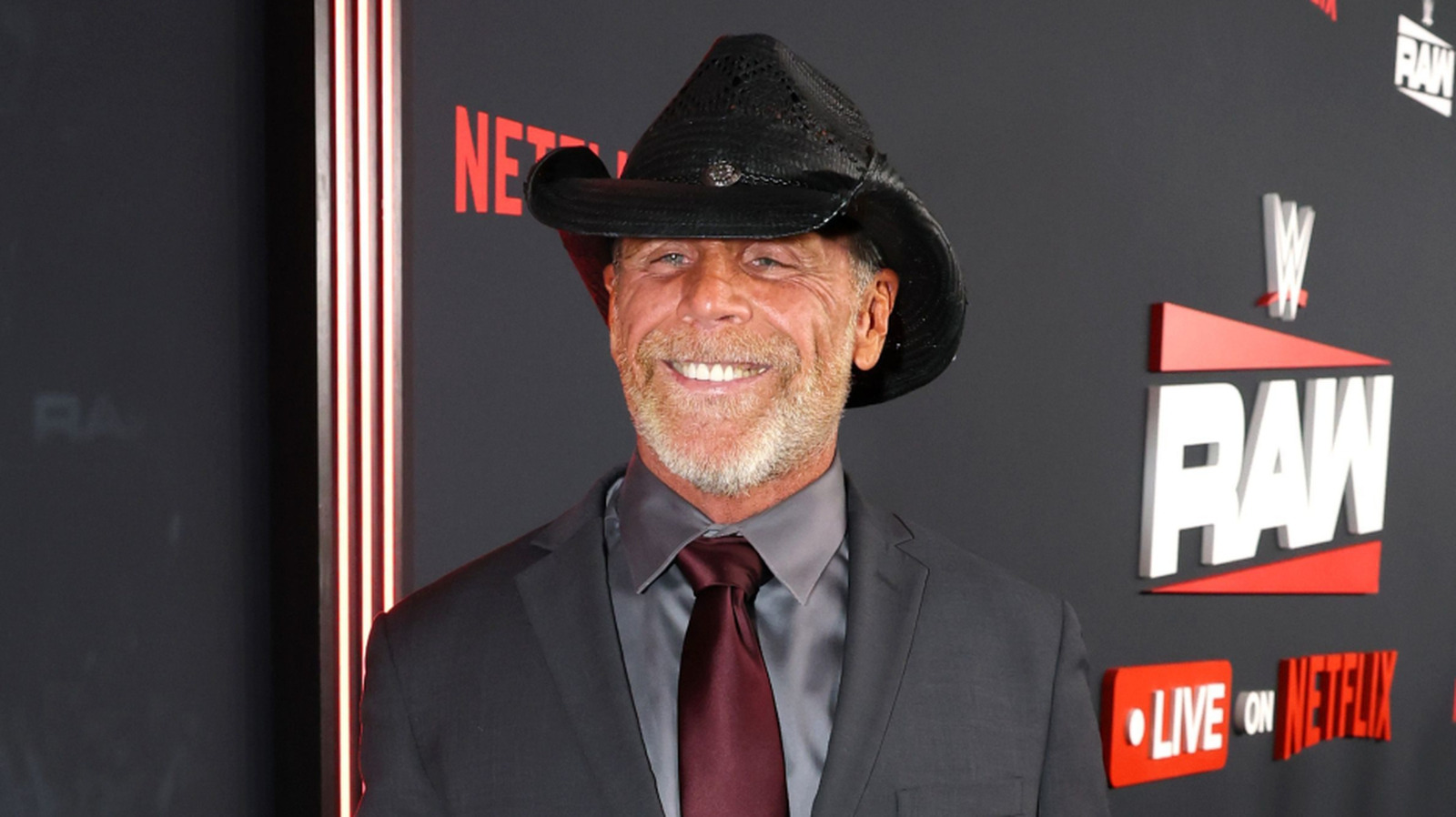
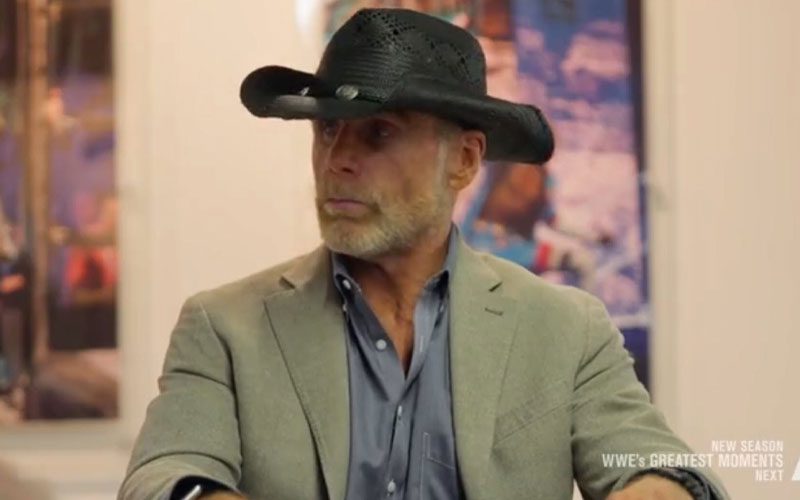
PLEs were the escape hatch. They were the one time every few months where Shawn Michaels and his booking committee could strip away the constraints of the clock. They could let a match breathe. Now, with CW taking the reins for the major events, that creative freedom is directly in the crosshairs of network television's relentless commercial requirements.
Changing the booking structure
We saw this exact problem during the late-stage Clash of the Champions events in WCW. When you put your marquee matches on free television, you have to format them like free television. The matches get chopped up. The finishes often get rushed to hit the hard out at 10:59 PM. WWE production is far more sophisticated now, but they cannot magically create more minutes in an hour.
A standard 20-minute main event on a Peacock PLE follows a specific emotional curve. The initial feeling-out process lasts about three to four minutes. The heel takes control for the middle eight. The babyface fires up, leading to a sequence of near-falls that dominate the final five minutes. It is a proven, reliable formula.
When you introduce commercial breaks into that 20-minute window, the psychology fragments. The heel's control segment usually happens during the break. This means the television audience misses the grinding down of the babyface.
They come back from a three-minute ad block to see the babyface magically starting their comeback. It robs the comeback of its earned emotional weight. It turns a wrestling match into a highlight reel.
Consider Oba Femi. His entire presentation relies on uninterrupted, terrifying momentum. If you cut to a State Farm commercial while he is actively dismantling an opponent, the aura dissipates. The viewer is pulled out of the suspension of disbelief.
The ghost of TakeOver
When NXT first launched on the WWE Network back in 2014, its entire identity was built in opposition to the main roster's television formatting. While Monday Night Raw was a bloated three-hour exercise in hitting commercial cues, NXT was a sleek, one-hour sprint. The TakeOver specials became the stuff of legend precisely because they operated outside the normal rules of WWE production.
Triple H built an empire in Winter Park by giving independent standouts the time and space to work long, logical, uninterrupted matches. A match like Sami Zayn versus Adrian Neville at TakeOver: R Evolution simply does not work if you slice it into three segments.
The slow burn of Zayn's moral dilemma—whether to hit Neville with the title belt to win the championship—required unbroken focus from the audience. You cannot cut to a commercial for deodorant right as he raises the belt above his head.
That era is long gone, replaced by the bright lights and character-driven focus of the modern developmental system. But the expectation of the PLE remained the same. Fans expected that when the bell rang on a Sunday night, the corporate mandates faded into the background. The CW deal destroys that illusion entirely.
There is also the question of the Iron Survivor Challenge. The match type, introduced a few years ago, is brilliant. Two competitors start, another enters every five minutes, and the wrestler with the most falls at the end of twenty-five minutes wins. The entire gimmick relies on a running clock and the constant threat of a pinfall.
If that match airs on The CW, the network will undoubtedly demand commercial breaks during the twenty-five-minute window. Production is left with three terrible options:
- Freeze the clock entirely, which ruins the live sporting feel of the gimmick.
- Allow falls to happen during the break, infuriating the television audience when they return.
- Mandate that wrestlers sit in rest holds while the ads roll, killing the pacing dead.
There is no elegant solution. Every option fundamentally damages the match psychology.
The TKO monetization machine
From TKO's perspective, this is free money. They have monetized a developmental territory to a degree that Vince McMahon never managed in the 1990s or 2000s. NXT is a standalone touring and broadcasting property. But there is a ceiling to how much you can squeeze the format before the fans recognize they are being served a compromised product.
The CW is not a premium cable network. It is an over-the-air broadcast channel that relies heavily on local affiliate programming and rigid time slots. A typical hour of broadcast television contains roughly eighteen minutes of commercials.
If an NXT PLE runs for three hours, that is fifty-four minutes of non-wrestling content that has to be factored into the broadcast. How does production handle that? Do you run fewer matches? Do you cut down the elaborate entrances?
Or do you do the unthinkable and start interrupting the action? Given TKO's recent track record with the main roster—where Prime logos are painted on the mat and matches are frequently broken up by in-ring sponsor reads—the answer is obvious. The matches will suffer.
Stunting roster development
Look at the current development of talents like Tony D'Angelo or Kelani Jordan. D'Angelo has spent the last year refining his in-ring psychology, learning how to structure a heavy, brawling style that requires time to simmer. Jordan relies on explosive, high-wire offense that needs a structured buildup to mean anything.
When you throw these developing talents into a broadcast television main event, you are severely limiting their reps in the most important aspect of the job: pacing a long match. The Performance Center can teach you how to hit a springboard moonsault. It cannot simulate the pressure of keeping a live crowd engaged for twenty minutes without the safety net of a commercial break.
By removing the unbroken PLE format, WWE is stunting the growth of its own roster. The next generation of main eventers will arrive on Raw or SmackDown perfectly conditioned to wrestle for eight minutes at a time, but completely unprepared to anchor a thirty-minute WrestleMania main event.
This is the undeniable footprint of the Endeavor acquisition. TKO does not view professional wrestling as an art form that needs protection. They view it as a content engine designed to maximize ad revenue and secure lucrative broadcast rights. Every minute of screen time is a monetizable asset.
The Peacock dilemma
This move also raises serious questions about the future of the Peacock deal. WWE's domestic streaming rights are a massive piece of their financial puzzle. If you start pulling exclusive content off the streaming platform and putting it on free television, you diminish the value of the subscription.
Peacock subscribers have grown accustomed to getting every WWE event included in their monthly fee. If NXT PLEs are suddenly airing on CW, does a Peacock subscriber still get to watch them live and ad-free? The historical precedent says no.
When Fox aired SmackDown, they held exclusive live broadcast rights. If The CW is paying a premium for these live events, they are going to demand exclusivity to drive their own viewership numbers and ad sales.
This means fans might have to dust off their digital antennas or sign up for a live TV streaming service just to watch an NXT event that they previously had access to on Peacock. It fragments the viewing experience and adds unnecessary friction for the consumer. It is a bizarre regression for a company that pioneered the direct-to-consumer streaming model in the wrestling space.
The prediction here is cynical, but historically sound. The first few CW PLEs will be meticulously formatted to hide the commercial breaks. They will front-load the ads between matches. They will run video packages to eat up the required commercial inventory.
But eventually, the network will demand more integrated ad time. The breaks will creep into the matches. The picture-in-picture will become the standard viewing experience for the middle of a championship bout.
Shawn Michaels has done a miraculous job rebuilding NXT, turning it into a compelling wrestling show. But he is about to face his toughest opponent yet: the hard commercial out.
Read Next
- Shawn Michaels thinks the Royal Rumble beats WrestleMania and honestly he might be right
- Shawn Michaels is turning NXT into a chaotic promotional experiment
- NXT is becoming a witness protection program for Raw stars with nowhere to go
- Raw stars are eyeing NXT for the ultimate post-Mania career reset