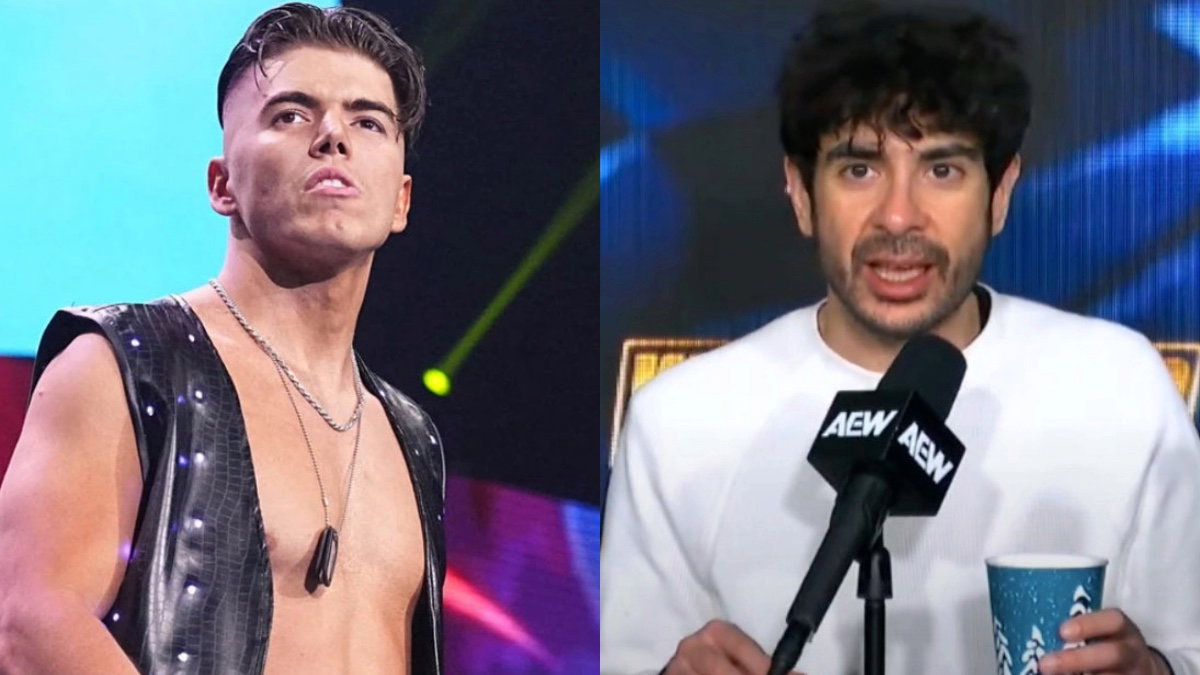
NXT viewership data shows a promotion stuck in a holding pattern
The stagnant reality of the Tuesday night broadcast
The latest audience report for the July 21 episode of NXT serves as a statistical anchor for a brand currently struggling to find momentum. With viewership numbers plateauing, the numbers suggest that the NXT product is failing to capture the casual observer or convert lapsed viewers into consistent attendees. When a promotion relies heavily on a core of entrenched subscribers, it creates a narrow band of growth that leaves little room for error in the booking room.
Analysing the trends from this week's broadcast, we see a product trapped between the desire to cultivate new talent and the necessity of keeping the veterans prominent. This push-pull creates an uneven viewing experience where high-intensity technical matches frequently collide with segments that lack narrative urgency. If the audience is not growing, the programming strategy at the Performance Center needs a fundamental recalibration.
The danger of a diminishing return on investment
Professional wrestling is an attention economy; you are only as successful as your ability to retain the viewer through three distinct segments. According to recent data from PWInsider, the stagnation in ratings is not necessarily a sudden cratering of interest, but rather a slow, grinding decline. This is often worse than a sharp drop because it signals that the brand has hit a ceiling of interest among its dedicated demographic.
We have reached a point where the quality of the in-ring work is rarely the issue. NXT often features performers who are technically proficient, yet if the stories surrounding the matches do not provide a reason for the television audience to care, the metrics remain static. The 0.18 key demo rating reported this week highlights a failure to connect with the younger, advertiser-friendly segment of the viewership that is essential for long-term health.
The missed opportunity of tactical storytelling
To reverse this drift, the booking team must stop prioritizing transitional feuds that fill airtime without advancing long-term trajectories. We see too many instances where high-potential prospects are booked in non-consequential scenarios that lead nowhere. A match should not exist solely because it provides fifteen minutes of content; it must function as a catalyst for growth or a pivot point for a character's evolution.
Critics often point to the inconsistency in tone between the developmental roots of the show and the polished, almost sterile atmosphere of the modern broadcast. When the booking feels detached from the grit that originally defined the show, the audience senses it. It becomes less like a proving ground and more like a tightly scripted stage play where the stakes feel lower than they should. The internal metrics would likely show that when the stakes are high, the audience retention spikes, yet these moments are far too infrequent.
Why the current trajectory demands a harder look at the roster
The reliance on established names to carry the banner while new talent languishes in the midcard is a recipe for long-term failure. Unless there is a concerted effort to push new stars into the spotlight with convincing, high-stakes narratives, the Wednesday transition—or Tuesday, in the current schedule—will continue to be a struggle for market share. An audience needs a reason to stick around for the closing segment; currently, that incentive is too often absent.
The metrics reported during the July 21 analysis confirm that the brand is struggling to bridge the gap between niche appeal and broader mainstream relevance.
The reality is harsh: wrestling fans are discerning. They know when a program is idling. If the leadership team expects to see a surge in engagement, they must move away from the safety of predictable booking. The fourth-quarter numbers will serve as the true litmus test for whether these strategic choices are helping the brand or merely maintaining the status quo. If the needle does not move, the talent management strategy needs an overhaul that goes deeper than shuffling the card.
WWE Elite Collection Roman Reigns Action Figure
Acknowledge your Tribal Chief with this highly detailed figure.
Frequently Asked Questions
What key demo rating did NXT receive in the recent viewership report?
Why are NXT's TV ratings currently stagnating?
How are NXT's booking priorities impacting its overall audience metrics?
What issue do critics highlight regarding the modern NXT broadcast tone?
When does NXT experience spikes in viewer retention?
More Coverage
NXT viewership numbers show a product stuck in neutral
2 hours ago
Bayley's vanishing act from SummerSlam isn't just about scheduling
3 hours ago
Cody Rhodes just drew a line in the sand with Tom Brady and I love it
3 hours ago
Michael Cole is right about the Jim Ross heel turn
4 hours ago
WWE's latest AAA move shows exactly where pro wrestling merchandising is heading
4 hours ago
WWE moves into audio: Why the shift to radio signals a bigger media play
5 hours agoMore Analysis
NXT viewership numbers show a product stuck in neutral
2 hours agoVictoria Crawford's TNA exit underscores a stark roster efficiency problem
2 hours ago
Bayley's vanishing act from SummerSlam isn't just about scheduling
3 hours ago
Cody Rhodes just drew a line in the sand with Tom Brady and I love it
3 hours ago
Michael Cole is right about the Jim Ross heel turn
4 hours ago