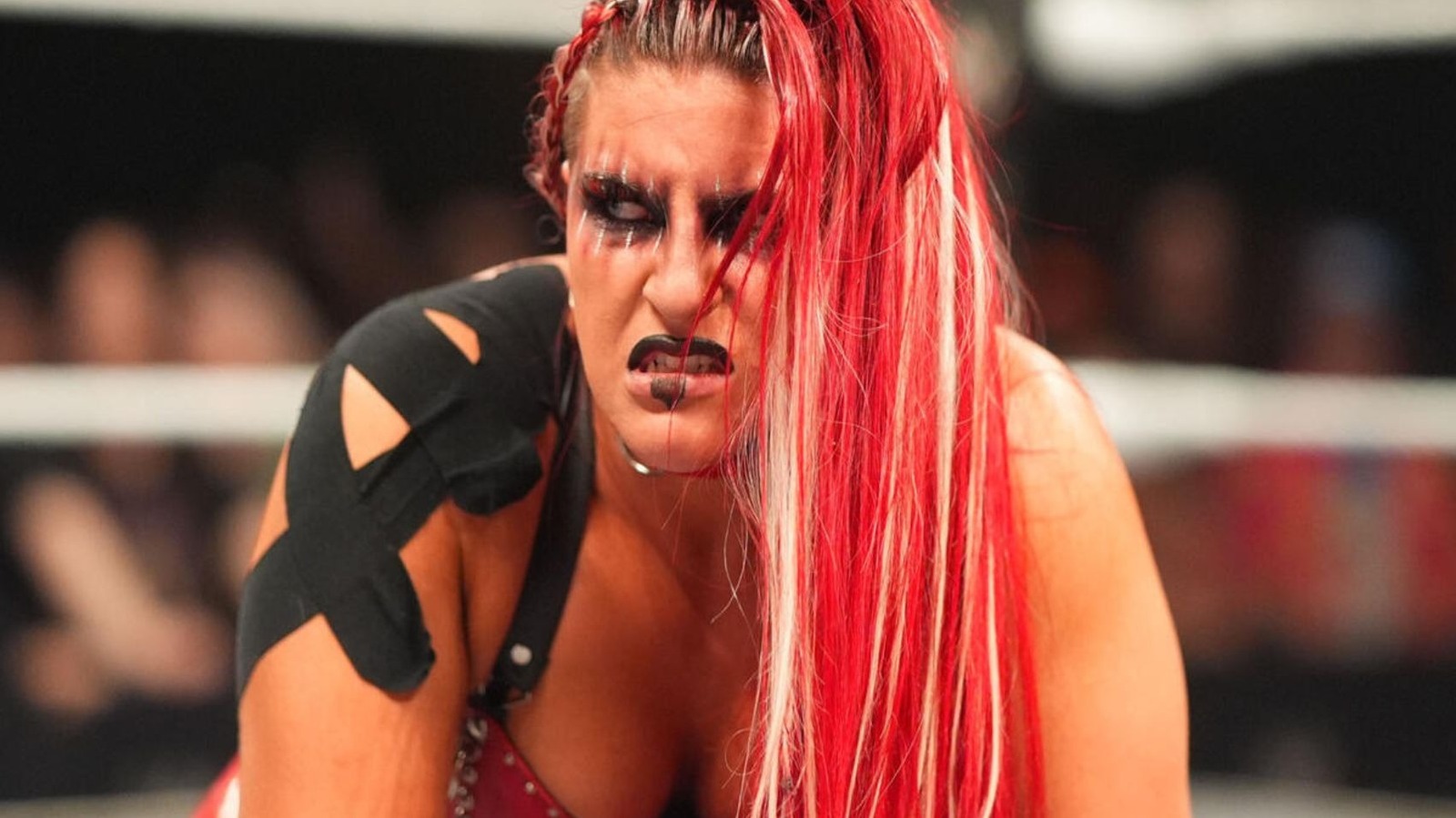
NXT Revenge and the risks of a bloated WWE schedule
The expansion logic is fraying at the edges
WWE filed a trademark for NXT Revenge on April 6. It suggests another event is sliding onto an already crowded calendar. We are currently twelve days out from WrestleMania 41 and the industry feels top-heavy. Expanding the footprint of the third brand is a strategy that assumes audiences have bottomless appetites.
NXT has occupied a peculiar space recently. It functions as a development lab that occasionally surpasses the main roster in match quality. But a recurring event like Revenge risks diluting the product. If every show becomes a premium live event, the significance of the quarterly cycles gets lost. We see this in European football where UEFA continues to squeeze more matches into the schedule. Eventually, the product quality plateaus because the talent is spread too thin.
The burden on the developmental roster
The core philosophy of NXT is supposed to be iteration. Young talent experiment with gimmicks, ring work, and promo delivery. This process requires failure. Adding another event, titled with the implied stakes of 'Revenge', forces these performers into a polished, high-pressure environment prematurely. They need reps in front of sparse crowds, not international branding exercises.
When Finn Balor brings back the Demon persona for Las Vegas, it serves a specific business function. He is an established star returning to a known variable. NXT does not have the luxury of established nostalgia. If you force an NXT talent into a 'Revenge' storyline, you are asking for a finished product from an unfinished human being. It turns developmental television into a cynical exercise in gate revenue.
Missing the mark on growth sustainability
There is also the physical toll to consider. Rey Mysterio has logged thirteen appearances at WrestleMania, yet his survival relies on a meticulously managed workload. NXT wrestlers don't have that longevity. Their bodies are still adapting to the professional style. Piling more events on the internal calendar is a recipe for overuse injuries and burnout.
I find the booking strategy increasingly disjointed. On April 6, we watched the Judgment Day segment in Houston where the heartbeat of the Demon returned. That worked because it felt earned through months of character tension. If NXT simply adds 'Revenge' to the docket without a genuine narrative catalyst, it feels like a hollow copy-paste job.
Defining the product by what it isn't
The obsession with trademarking everything in the building reflects a management style that fears vacancy. In the current WWE, every open calendar slot must be filled by a logo. They aren't looking to create a specific kind of compelling rivalry anymore; they are creating content units. NXT should be the place where rules are broken, not where the marketing department dictates the narrative arcs.
We are looking at a trademark filing that feels like a defensive maneuver. If they own the name, they assume they have secured the market share. But the audience can smell the lack of creative urgency. When NXT eventually hosts this 'Revenge' event, the viewership numbers must actually move the needle for the brand. If not, this is just more administrative noise in a year already defined by massive events like WrestleMania 41.
True growth happens when the talent catches fire organically, like the shift in Finn Balor’s recent trajectory heading into Vegas. You cannot manufacture that energy through trademark law. You manufacture it by letting a wrestler develop, fail, and succeed in a low-stakes environment before throwing them into the deep end. NXT Revenge, as a concept, feels like it is working against that fundamental principle of wrestling progression.
WWE Championship Mini Replica Title Belt
All the prestige of the WWE title, but sized perfectly for your shelf.
More Coverage
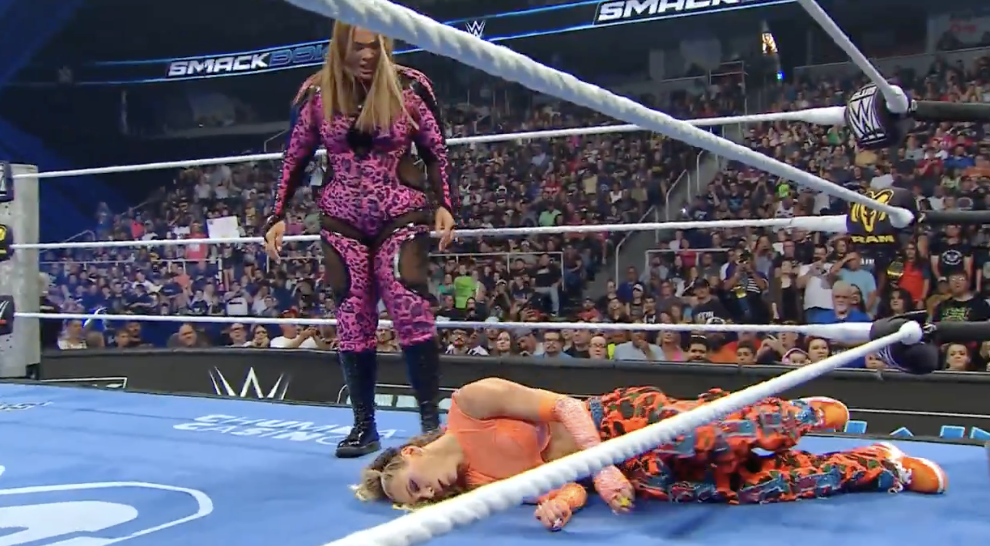
Smackdown's booking is becoming a repetitive struggle
an hour agoWhen Ozzy wasn't looking: The weirdest wrestling crossover of the year
5 hours ago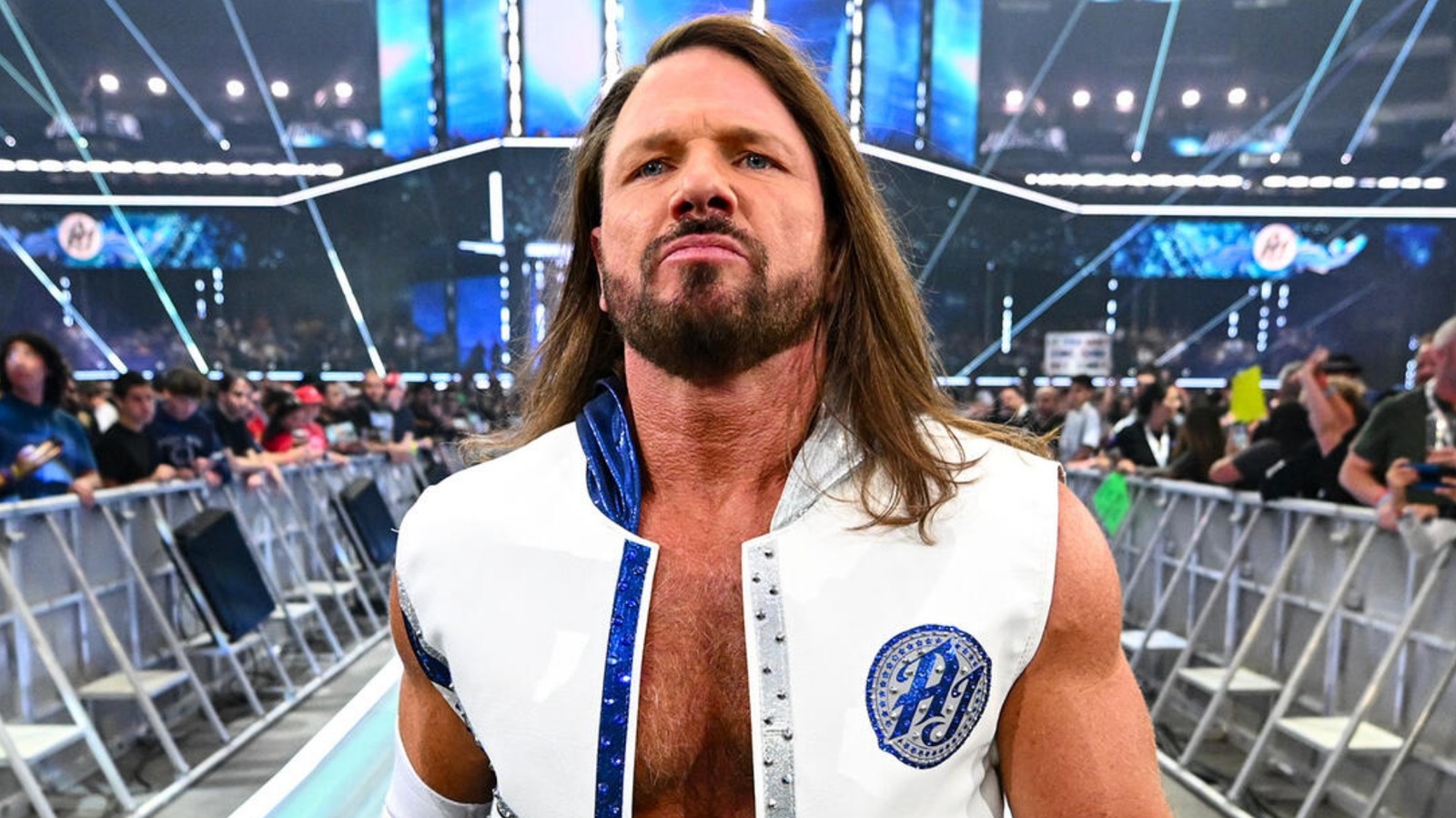
AJ Styles is reflecting on his legacy while others look elsewhere
5 hours ago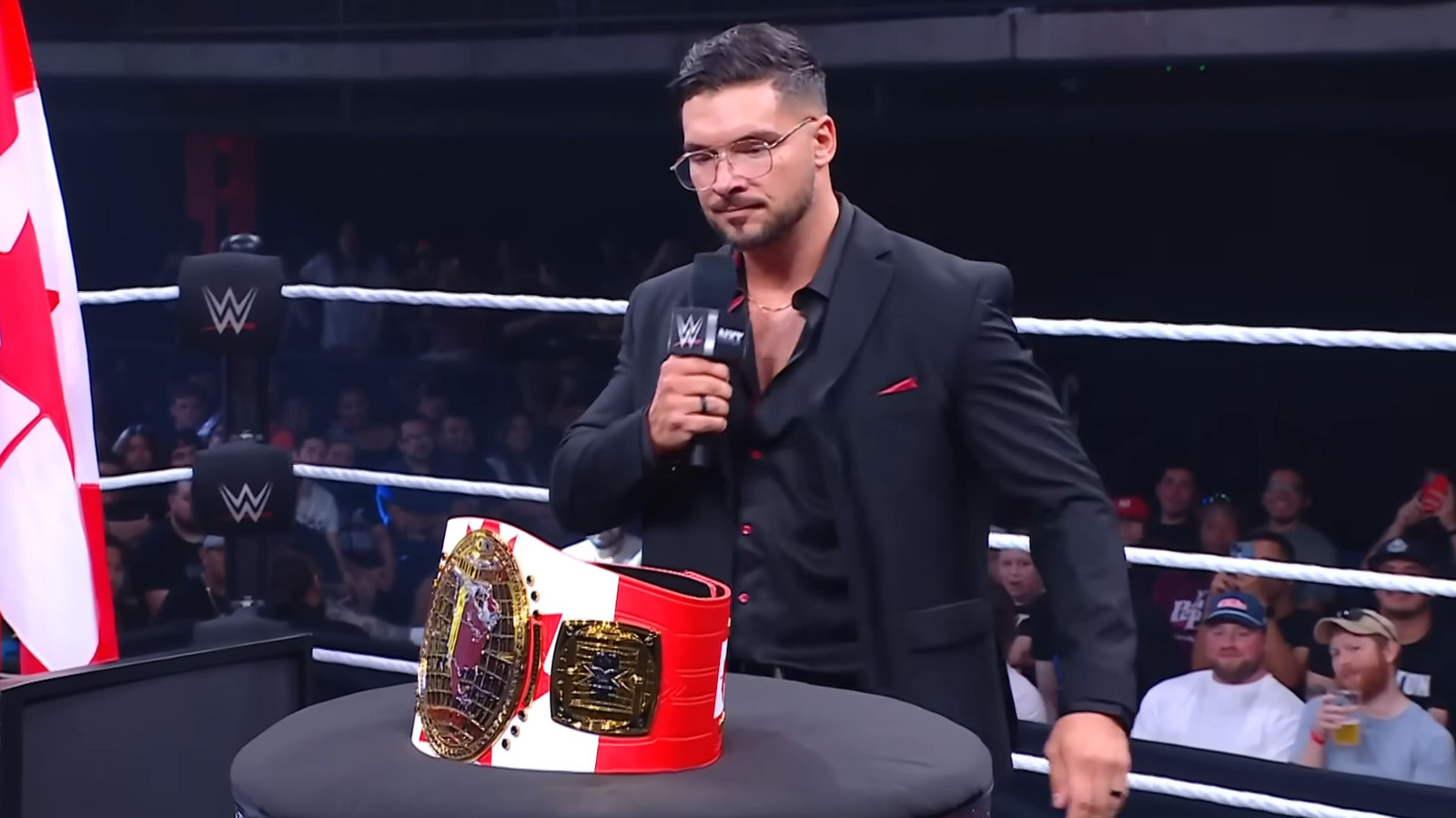
Ethan Page is playing a dangerous game with his ego in NXT
5 hours ago
Ethan Page says his custom NXT title was the real top prize and fans are split
5 hours agoGear Check: Sorting the Must-Haves from the Merch Table Filler
6 hours agoMore Analysis
WWE wants 'Revenge' for NXT — but against who, exactly?
3 months, 1 week ago
NXT Revenge and the messy logic of WWE's release cycle
3 months, 1 week ago
NXT Revenge and the shallow state of WWE’s planning
3 months, 1 week ago
NXT Revenge might be the high-stakes pivot we actually need
3 months, 1 week agoNXT is getting a massive rebrand and it is going to end badly
4 weeks, 1 day ago