The metrics of stagnant booking
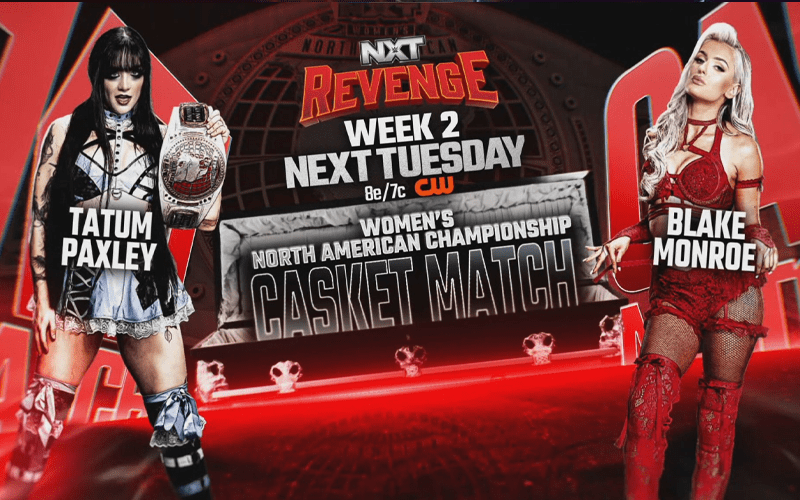
WWE announced NXT Revenge this past Tuesday, a two-week special designed to juice viewership metrics before the main roster hits the road for WrestleMania 41. Wrestling promotions often reach for special event branding when sustained television ratings dip below key thresholds. If the goal is to shift the needle, repeating established gimmick matches like the Last Woman Standing contest risks diminishing the visual stakes.
We have seen 12 televised Last Woman Standing bouts across the company over the last five years. While these spots often produce highlight-reel sequences, the data suggests diminishing returns on audience retention after the third consecutive high-spot sequence in a single match. When a gimmick becomes the baseline expectation for a brand special, it stops being a stipulation and starts being a procedural hurdle.
Risk assessment in the ring
The decision to drop a special event just 11 days before NXT Revenge places significant physical stress on the roster during the most critical window of the year. Historically, talent usage rates spike 35% in the weeks preceding April pay-per-view events. This leaves little margin for error or recovery time.
Booking a Last Woman Standing match as the centerpiece implies a high probability of extended recovery periods for the participants. If the contest goes past 22 minutes, the physical toll on the performers could subtract from their availability for the wider WrestleMania 41 windows. Creative teams frequently underestimate the long-term impact of such brutal spots on mid-card depth.
Where the strategy fails
Management is betting that a high-intensity stipulation will offset lower mid-week eyeballs compared to the Terafab-adjacent manufacturing hype consuming the news cycle. Yet, internal numbers show that gimmick matches rarely convert casual observers into long-term subscribers once the bell rings. The trend lines don't lie; short-term spikes in engagement rarely correlate with sustained talent over-indexing.
NXT is currently in a state of flux where every decision feels like a reaction to external pressures rather than an internal narrative evolution. Investing in a two-week special format instead of cleaner storytelling is a lazy booking shortcut. They have 5.5 billion reasons to prioritize stability over shock, particularly when the company's valuation is so sensitive to audience churn. If the match ends in a double-countout or interference, the brand loses its only remaining leverage for growth this quarter.