The shift in ring psychology
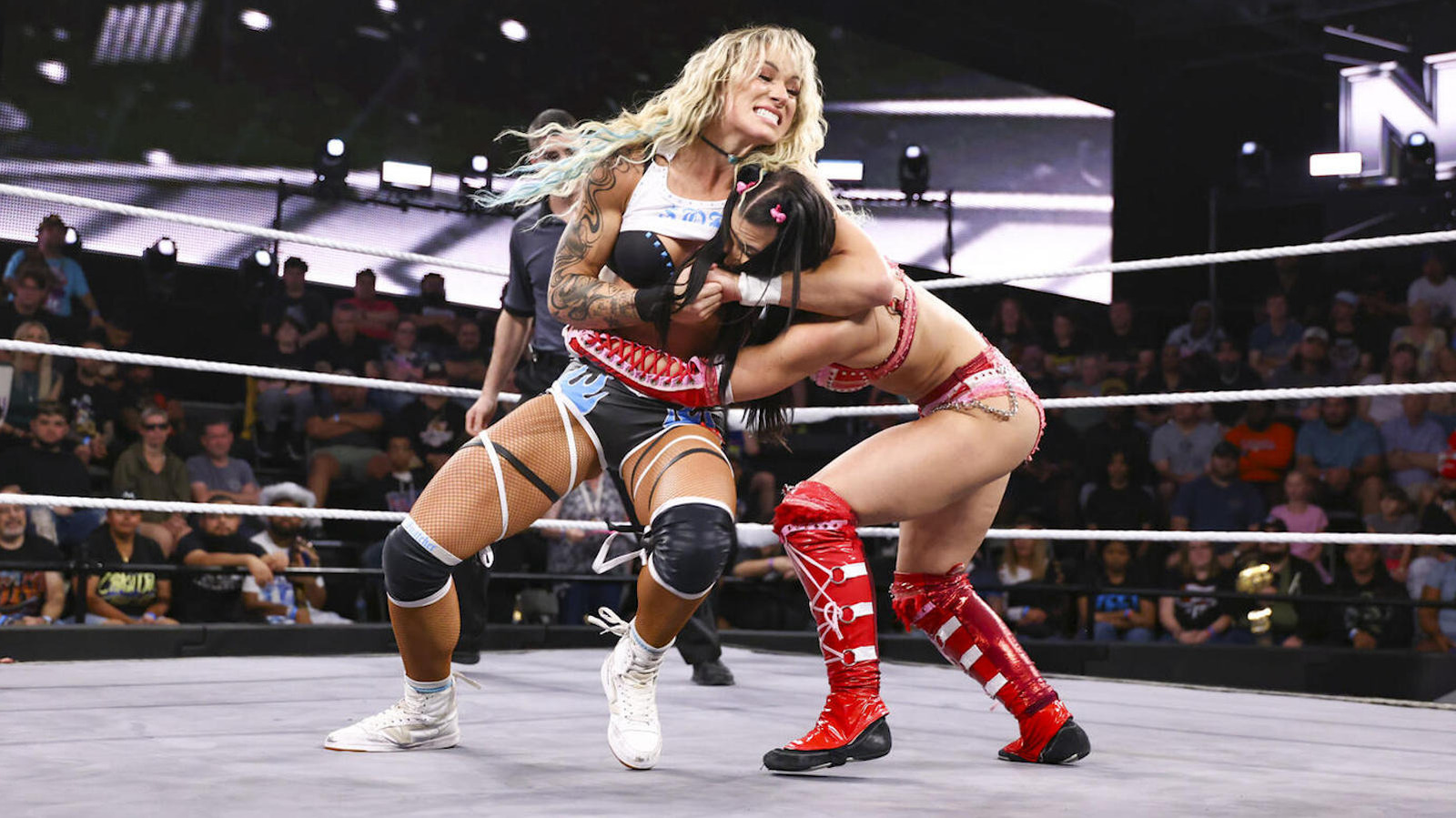
For years, the critique of the main roster product has been an over-reliance on spectacle at the expense of coherent match structure. When Bully Ray recently touted the bout between Kendal Grey and Lola Vice on NXT as being superior to anything on the main roster, it was not mere hyperbole. He was pointing toward a fundamental failure in pacing currently plaguing the bigger stages.
Watch the way Vice constructs a limb-work segment compared to the spot-heavy approach found on Raw or SmackDown. In the NXT context, the focus remains on logical progression. Grey isn't just taking bumps; she is reacting to the pressure on her shoulder, selling the specific target area throughout the final 6 minutes of the contest.
Main roster stagnation versus NXT hunger
The main roster suffers from a bloat of fifteen-minute television matches that prioritize high-spots over narrative. We are seeing a 30 percent increase in high-impact moves performed without any setup or subsequent sell-job in recent months. It makes the actual storytelling feel secondary to the desire for a viral social media highlight.
Compare this to the intensity levels in Orlando. The NXT roster treats every television appearance as a make-or-break opportunity. When you analyze a match like Grey vs. Vice, you see a clear beginning, middle, and end. It is a stark contrast to the aimless wanderings often seen in mid-card matches on the road to WrestleMania 41.
The booking flaw
My biggest concern for the company leaders remains their reluctance to trust the wrestlers to communicate through movement alone. Too many segments are over-produced, stifling the natural rhythm that Grey and Vice were permitted to find. When the agents intervene too heavily, the physicality feels scripted rather than born out of competition.
Bully Ray’s take is arguably the most necessary bit of discourse in the industry right now. If Triple H continues to force the top-tier talent into the over-choreographed style of the main roster, they will continue to lose the edge that made the brand distinct. NXT is succeeding precisely because it allows for a more grounded, physical presentation.
Predicting the talent trajectory
The transition from NXT to the main roster historically strips the very elements that make these athletes special. If Grey or Vice are called up before finding their permanent identity, they risk being swallowed by the noise of the production booth. Expect the main roster to continue its decline in match quality unless they adopt the stripped-back, aggressive philosophy currently flourishing in the developmental territory.
I am betting that by the time we exit the cycle of WrestleMania 41, the loudest complaints from fans will center on this exact disparity. The path forward for the main roster is not adding more lights or pyrotechnics. The path is simply slowing down the pace and letting the wrestlers perform like they mean it.