The balancing act between growth and spectacle
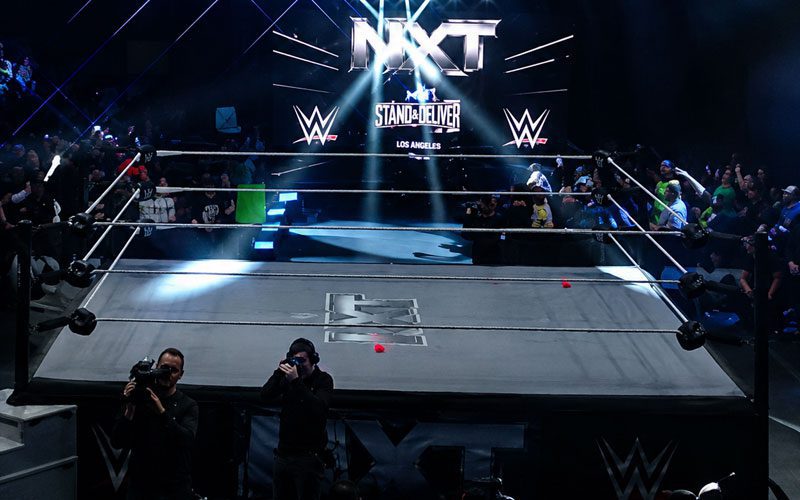
NXT has long functioned as the laboratory for World Wrestling Entertainment, but this week’s pivot toward a higher-profile presence in New York City suggests a shift in operational tempo. Bringing the brand into a major media market requires more than just high-octane sequences; it requires a refinement of the product that has occasionally felt neglected during the weekly grind.
The promotion is navigating a high-stakes transition period. We are currently 18 days away from WrestleMania 41, a timeframe where the main roster typically pulls all the oxygen out of the room. NXT has to carve out its own relevance while serving as the training ground for tomorrow's headliners.
Tactical inconsistencies in the current booking
For all the athleticism on display, the storytelling in recent episodes has exhibited erratic pacing. When the action moves to a venue like Madison Square Garden as it did on March 30, the lack of crowd control and structural oversight becomes glaring. A promotion that prides itself on precision cannot afford the external lapses that marred the recent Raw broadcast.
The upcoming card must reconcile these operational ghosts. If the performers are tasked with carrying a high-pressure environment, the creative team needs to provide them with clear, logical storylines rather than the frenetic, improvised feel of last week. Watching the roster navigate these variables is the real story here.
What to watch for in the ring
Performance consistency remains the primary metric for evaluating roster readiness. We need to see if the talent can maintain technical proficiency—transitioning from a grounded chain wrestling sequence into a high-impact signature move—without losing the narrative thread of the match.
Key indicators of progress include:
- Effective use of working holds during the first 5 minutes to establish pacing.
- Strategic placement of near-falls to maximize audience engagement without overusing finisher spam.
- Maintaining internal consistency in character motivations during tag matches.
The reliance on high-spot clusters that lack setup time is a negative trend that needs correcting before these athletes reach the main roster. A match that hits 15 minutes should tell a story through strikes and counters, not just a series of disconnected maneuvers.
The prediction
The pressure is on the brand to prove it can still capture the gritty, technical spirit that defined its peak years. Expect a card that leans heavily into safe, high-percentage spots rather than the nuanced psychology that marks a true classic. While the technical ceiling remains high, the current booking climate suggests we will see safe, television-friendly results rather than a total creative reinvention. It is a solid, functional product, but one that lacks the sharpness required to truly threaten the hegemony of the main roster's prestige shows. My call is that we see a reliable, technically sound broadcast that avoids disaster but fails to move the needle on its long-term direction.