The G-Mesei Gymnasium theater of pain
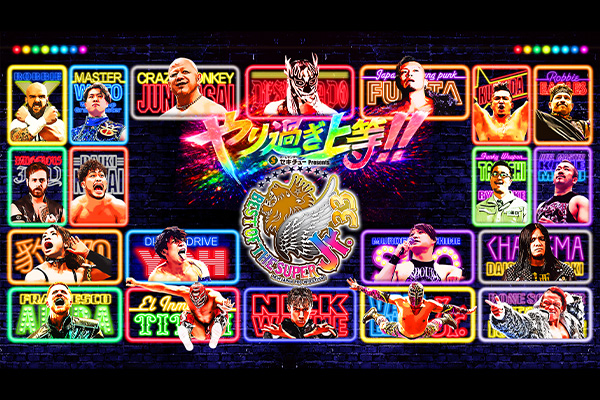
If you were watching the block reports coming out of Gunma, Japan, you know the vibe. Best of the Super Junior is the most grueling, beautiful, and occasionally soul-crushing tournament in professional wrestling. It is twenty days of high-velocity carnage that separates the future legends from the guys who are just there to bump for a paycheque.
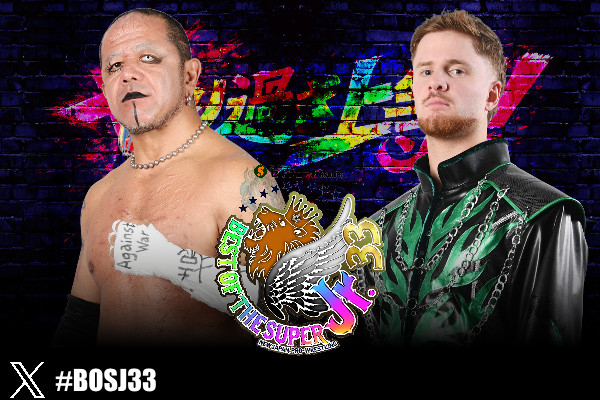
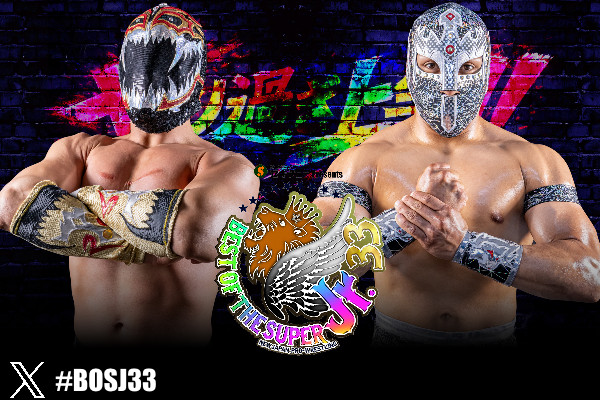
We finally have the final confirmation after the June 5 show. El Desperado and Taiji Ishimori are squaring off to settle this thing. It is the perfect clash of styles. Desperado is that gritty, mask-ripping brawler who survives on sheer spite and stiff forearms, while Ishimori is a physical specimen who treats gravity like a suggestion rather than a law.
The math behind the mayhem
Let’s look at the numbers. The tournament field this year was absolutely loaded, which makes the path for both finalists even more impressive. As reported in the recent NJPW results, the grueling schedule of the blocks means that by the time you reach the final, you aren't just exhausted; you are physically broken down. The wear and tear on these guys is real.
You can see the NXT ratings shift or look at how Becky Lynch's potential MMA pivot dominates the dinner table conversation, but the in-ring work in New Japan right now is on a different orbit. No smoke, no mirrors, no cinematic matches. Just two guys trying to pin the other’s shoulders to the mat for a three-count.
The booking flaw in the format
Is it all sunshine and rainbows? Absolutely not. The biggest issue with the tournament format is the inevitable "dead match" syndrome. Once a guy has mathematically no chance of winning his block, the pacing on the final few cards of the tournament can feel like watching a slow-motion car crash in reverse. You end up with 15-minute bouts that struggle to hit 3-star territory because the stakes evaporated forty-eight hours prior.
Despite that, Gedo and the booking team successfully kept the tension alive until the very last bell in Gunma. They prioritized the stories that mattered, ensuring the final spot felt like a genuine coronation rather than a formality.
Why this final matters
Taiji Ishimori is a machine. He is in his mid-forties and still moves like a man possessed by the ghost of every great junior heavyweight in history. Watching him dissect opponents with that Bone Lock is a clinic in economy of motion.
Then you have Desperado. He is the heart and soul of the division right now. He is the guy who drags the best out of his opponents, whether it is through a series of stiff lariats or by baiting them into a sequence that leads to the Pinche Loco. Having these two in the final feels earned.
We have seen tournaments where the winner felt like a corporate decision. This isn't one of them. This feels like a direct response to the audience demand for a high-stakes, high-impact finish. The promotion needs a strong closing act before the summer fatigue hits, especially with the World Cup looming over every other sport on the planet starting June 11.
NJPW is betting the farm on these two carry the division into the next season. It is a smart bet. Ishimori brings the technical polish that makes the purists drool, and Desperado brings the chaotic energy that keeps the casuals from turning the channel.
If you aren't paying attention to the junior heavyweight scene, you’re missing the actual wrestling. The heavyweights might get the main events and the stadium pyrotechnics, but the juniors are the ones doing the heavy lifting during the week. This tournament wasn't perfect, but it sure as hell was necessary to remind us why we endure the bad booking and the long lulls in other promotions.
The stage is set for the final. Winning the cup isn't just about the trophy; it is about proving you’re the apex predator of the most stacked division in the world. Strap in. It is going to be violent, it is going to be fast, and whoever wins will have earned every single drop of sweat they left on the mat.