The inconsistency in AEW booking is holding back high-ceiling talent
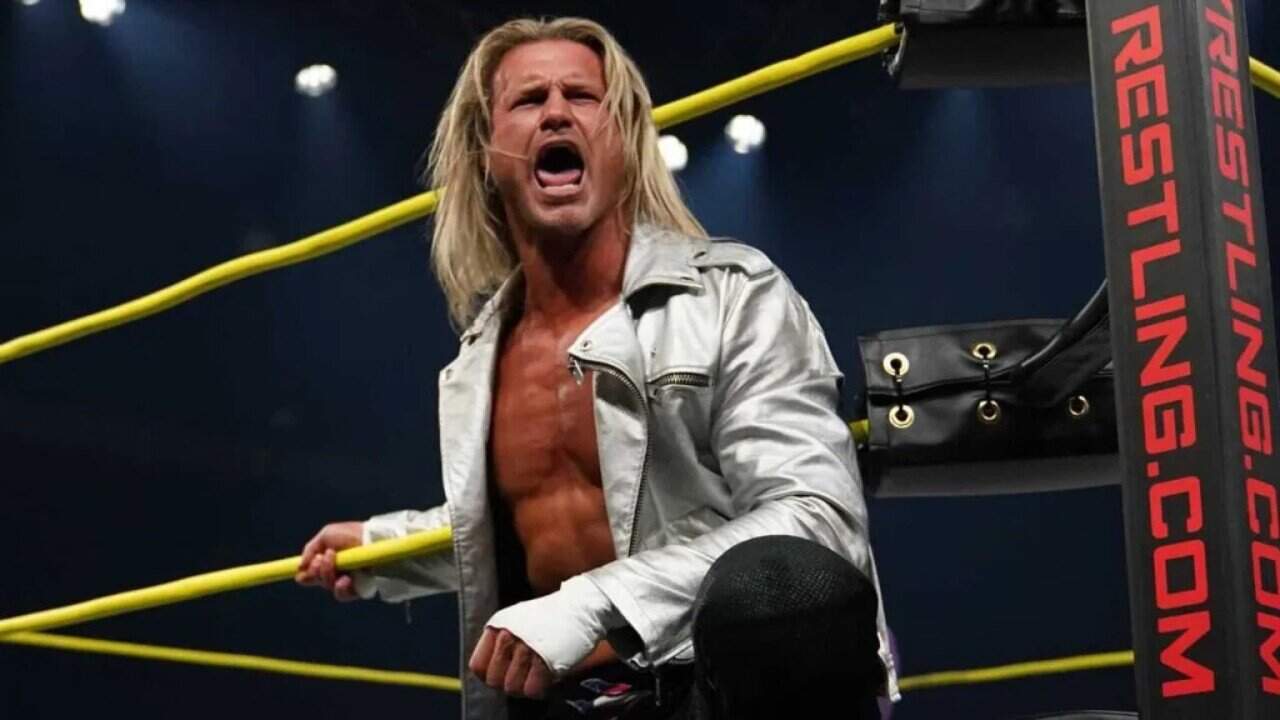
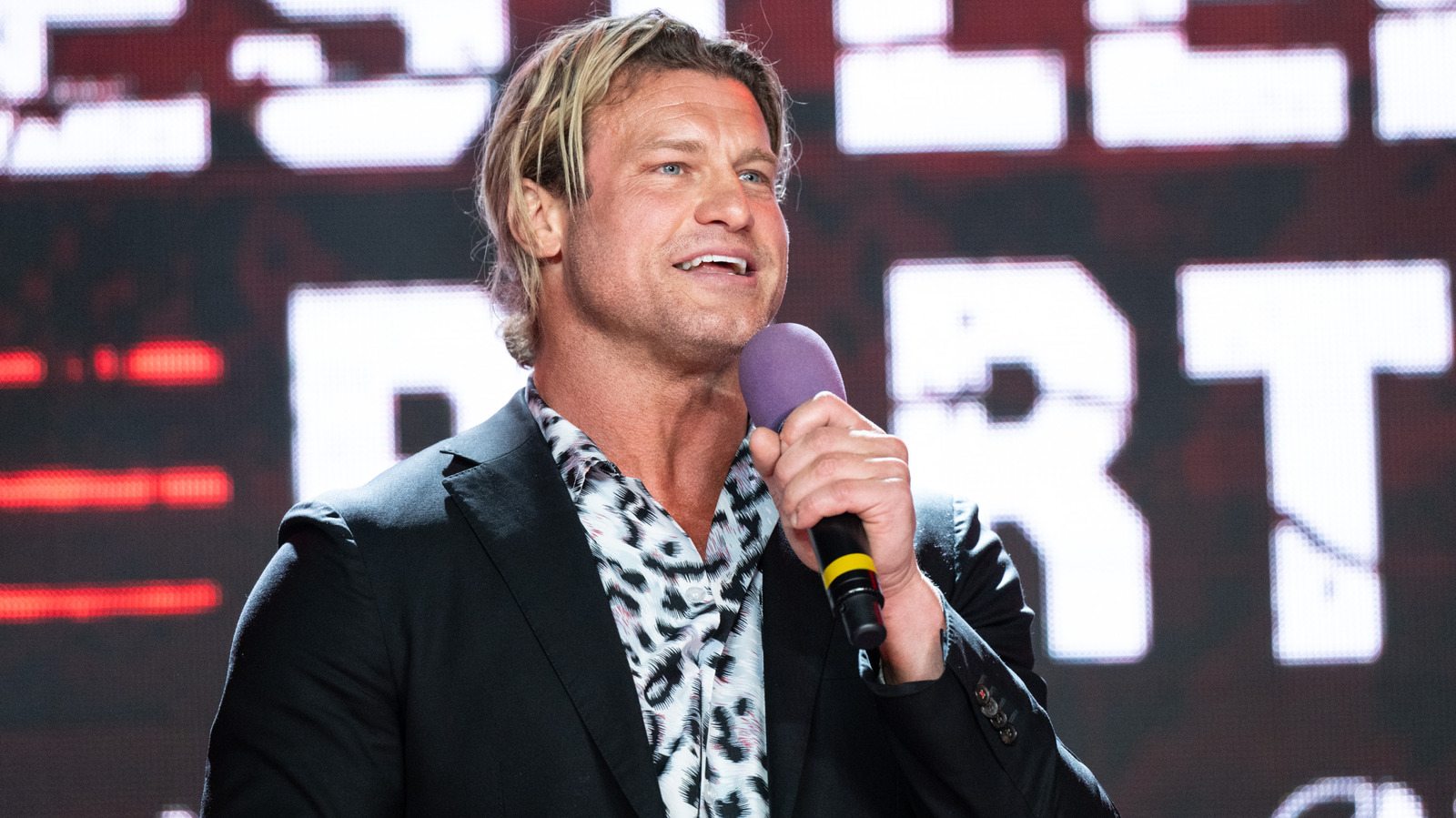
When Nic Nemeth calls out a booking decision, the industry pays attention because he understands the value of a logical finish. His recent reaction to the output on AEW Dynamite highlights a recurring issue in how Tony Khan balances roster depth with creative payoff. If you watch the tape from the latest set of tapings, the disconnect between crowd reaction and match outcome is becoming glaringly obvious.
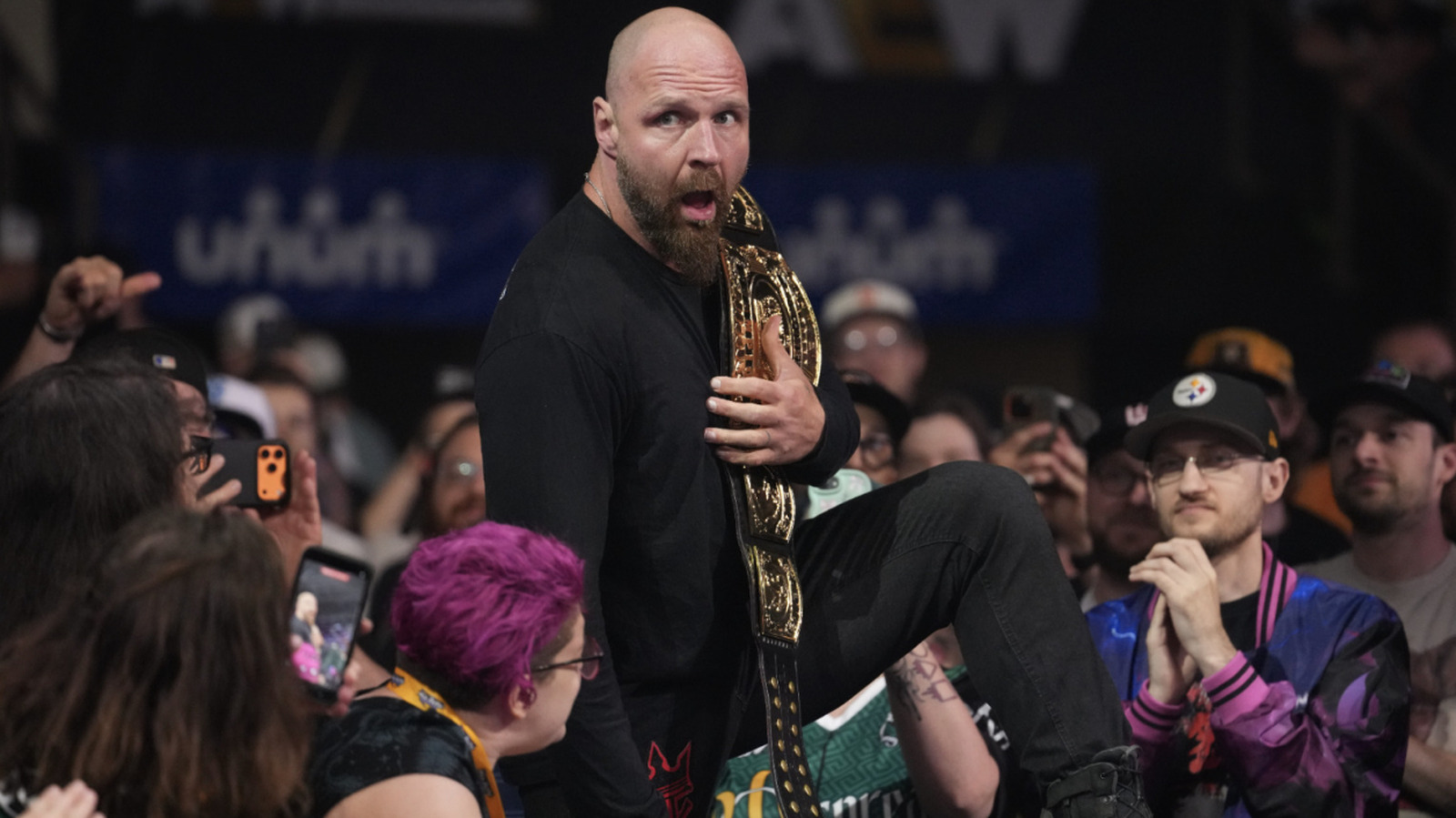
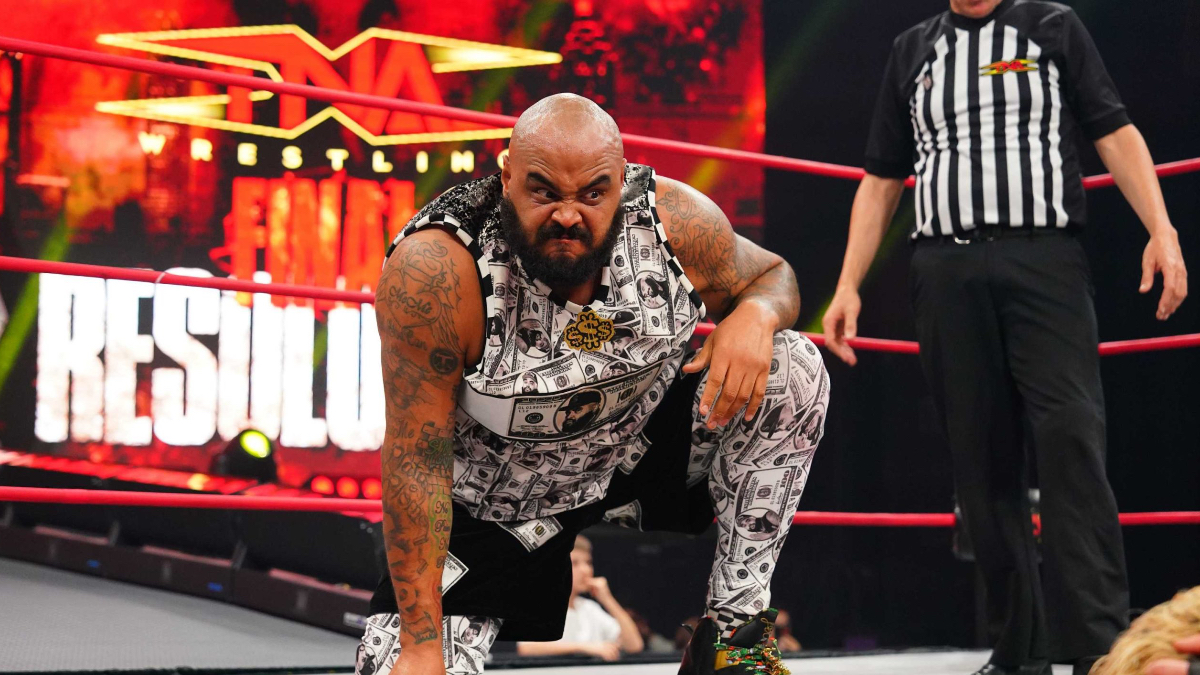
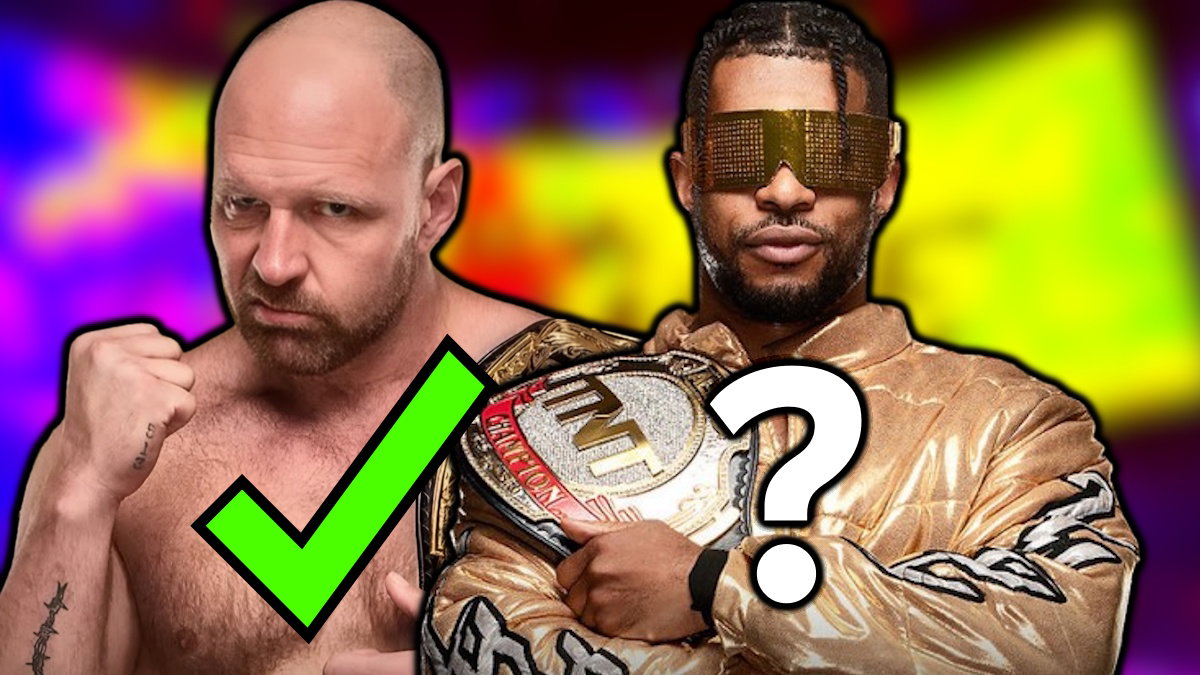
Nemeth isn't just venting frustration for the sake of it; he is applying a standard of pacing that WWE perfected during his tenure there. When a wrestler like Shane Taylor finds himself on the wrong side of a decision against someone like Jon Moxley, you have to look at the xG of that push. Moxley is a known quantity, a proven draw who moves merchandise and drives ratings. However, beating a physical powerhouse like Taylor without a narrative justification for the secondary character’s growth is a waste of screen time.
The math behind the momentum drain
Let's look at the numbers. Moxley maintains a high win percentage, which is expected for a top-tier performer. But that 82% win rate over the last twelve months often comes at the expense of developing new antagonists who can credibly challenge for the world title later in the calendar year. By funneling high-quality talent into matches where the result is predetermined by legacy rather than current form, the promotion effectively hits a ceiling on its own secondary roster.
As Wrestling Inc reported, Nemeth specifically pointed toward the result of the Taylor vs. Moxley clash as a missed opportunity. If you run the simulation on that match, the move sets and physical intensity were there, but the story progression was non-existent. A loss for Taylor doesn't just lower his ranking; it invalidates the physical presence he brings to the ring. It is a classic case of booking for the night rather than booking for the quarter, and it is a habit that will eventually erode the mid-card talent pool.
The danger of protecting household names over the product
The core problem remains an obsession with protecting established stars at the expense of organic heat. If you look at the shot maps of recent Dynamite broadcasts, the highest-intensity segments are almost exclusively focused on the top 10% of the roster. That leaves the remaining 90% in a holding pattern where they rotate losses against veterans. It is fundamentally unsustainable for long-term health.
I predict that unless the creative direction pivots toward giving mid-tier performers at least 35% of their competitive feuds against established stars, the roster will feel stale by the end of the year. The audience is savvy. They notice when a match is being used as a backdrop for a veteran's walk to the ring rather than a genuine struggle. If this trend holds, we are going to see a noticeable dip in viewer engagement for the third hour of programming.
The structure of a good match requires both sides to gain something, even in defeat. If the loser walks away looking like they don't belong in the ring, the winner's victory is hollow.
My final take is that the management will eventually be forced to shift because the alternatives are becoming too expensive to ignore. If they don't, talent like Taylor will seek exits, similar to the paths taken by other disgruntled performers in the past. It is time for a change in philosophy that prizes match quality over legacy status. If I were setting the booking board, the pivot would be immediate to prevent total stagnation.